Tell us about the job
Takes about a minute. No obligation.
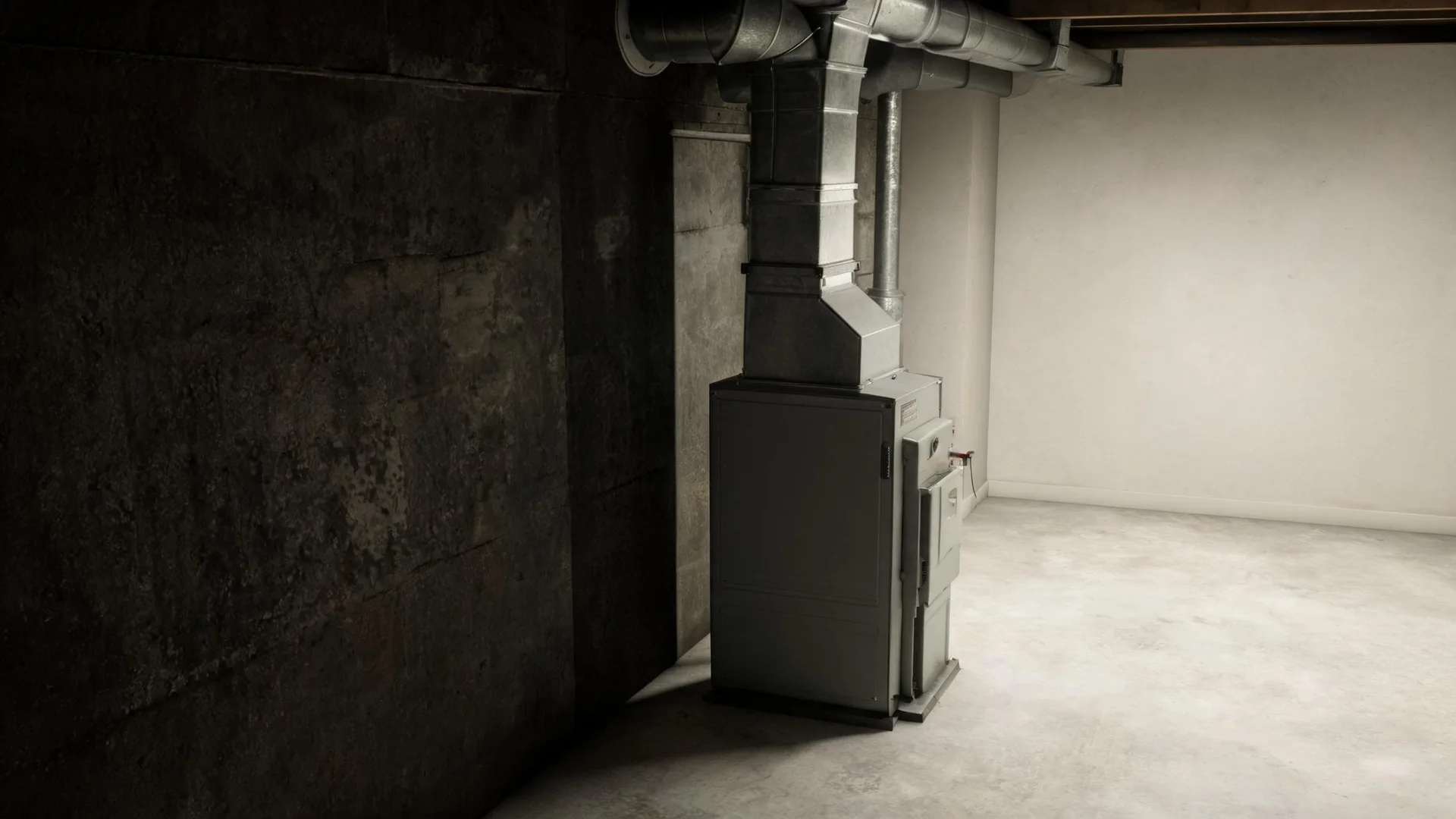
Sizing a furnace for this house is not a question a contractor answers from a catalog. Homes in Columbia County, NY run heat about eight months a year, from October through May. The burner and heat exchanger cycle hard through that span, and a system that was undersized at installation, or whose ductwork was never balanced, runs harder still to hit setpoint on the coldest nights. That extra strain lands on the ignition system and the heat exchanger first. A contractor quoting a replacement here has to establish what the existing system was actually asked to do, because an install that looks adequate on paper can be undersized for the real load this county places on it.
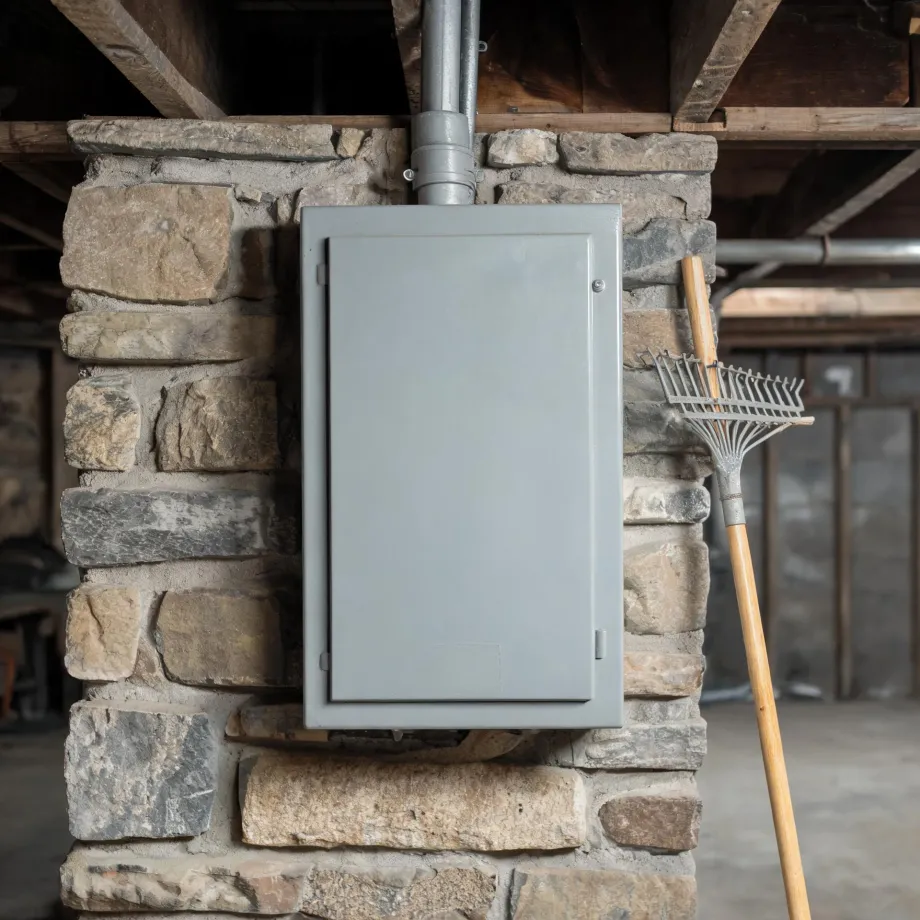
Existing ductwork is what a furnace installation turns on in much of Columbia County. Half the homes in Columbia County, New York were built in 1966 or earlier (2020-2024 ACS 5-year). Houses that old were ducted for systems that have since been replaced, sometimes more than once, and each round of equipment changes what those ducts are actually being asked to move. A contractor pricing a new furnace has to look at what the supply and return runs can handle before the equipment selection means anything, because undersized or reconfigured duct runs will limit what a new unit can deliver regardless of its rated output.
What Gets Installed With a New Furnace
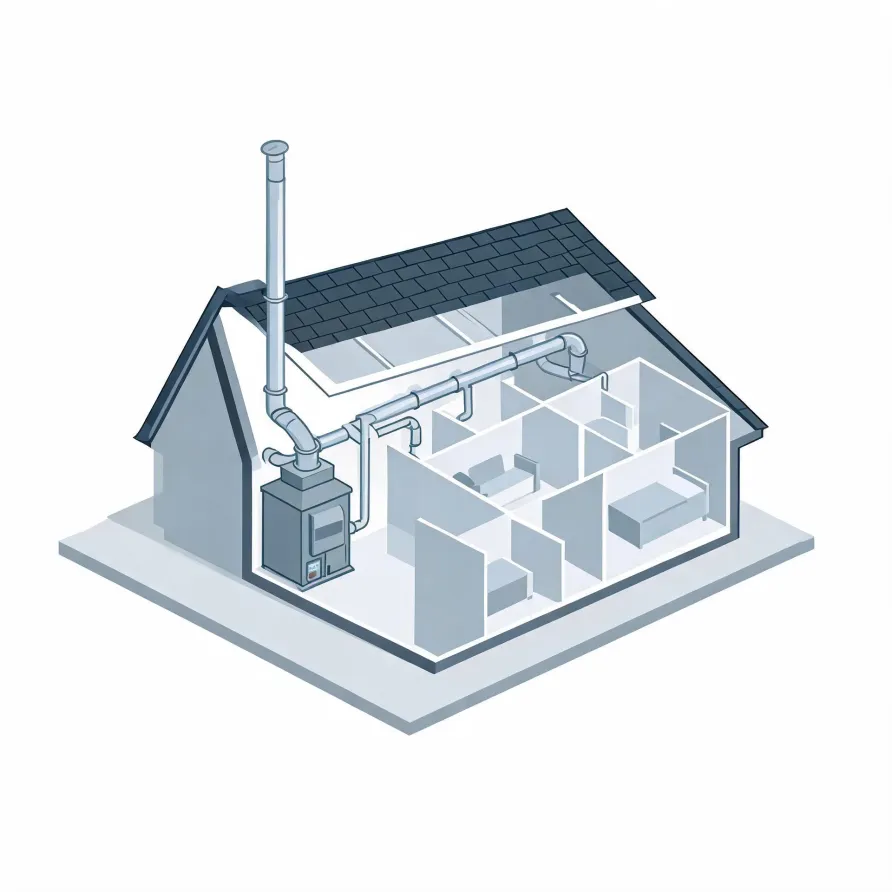
The furnace itself sits in a mechanical room, basement, or utility closet, and it is the unit that generates heat for the house. Attached to it is the flue or vent pipe, which carries combustion gases out through the wall or roof. A contractor sets both of these in place before anything else.
The air handler or blower compartment, which moves conditioned air into the duct system, is built into or mounted directly on the furnace cabinet. The thermostat goes on an interior wall and is the control point a homeowner uses to call for heat. A gas line connection and a condensate drain, where applicable, round out what a contractor ties in at the furnace itself.
The drawing shows the general layout of a furnace system, and a licensed contractor determines exactly what applies to your house.
Get matched in Columbia CountyColumbia County, by the numbers
438 severe weather events were recorded in Columbia County, New York between 2015 and 2024.
NOAA National Centers for Environmental Information, Storm Events Database, bulk CSV export, events 2015-01-01 through 2024-12-31.Half the homes in Columbia County, New York were built in 1966 or earlier (2020-2024 ACS 5-year).
U.S. Census Bureau, 2020-2024 American Community Survey 5-Year EstimatesColumbia County, New York holds 33,393 housing units (2020-2024 ACS 5-year).
U.S. Census Bureau, 2020-2024 American Community Survey 5-Year EstimatesOwners occupy 76.3% of the occupied homes in Columbia County, New York (2020-2024 ACS 5-year).
U.S. Census Bureau, 2020-2024 American Community Survey 5-Year EstimatesFurnace Installation Rules for Columbia County, New York4 codes, standards, and laws
What the Installation Actually Looks Like
Non-weatherized gas furnaces manufactured on or after November 19, 2015 must reach 80.0 percent AFUE.
Non-weatherized oil-fired furnaces manufactured on or after November 19, 2015 must reach 83.0 percent AFUE.
Mobile home gas furnaces manufactured on or after November 19, 2015 must reach 80.0 percent AFUE.
Non-weatherized gas furnaces manufactured on or after December 18, 2028 must reach 95.0 percent AFUE, up from the 80.0 percent minimum that applies to units manufactured before that date.
Severe Weather Events in Columbia County
Weather in this part of New York puts real demands on heating equipment, from hard winters to sudden swings that push systems through cycles of sustained use. A furnace sized and installed for local conditions handles that load differently than one specified for somewhere else.
438 severe weather events, 2015–2024. Source: NOAA National Centers for Environmental Information, Storm Events Database.