Tell us about the job
Takes about a minute. No obligation.
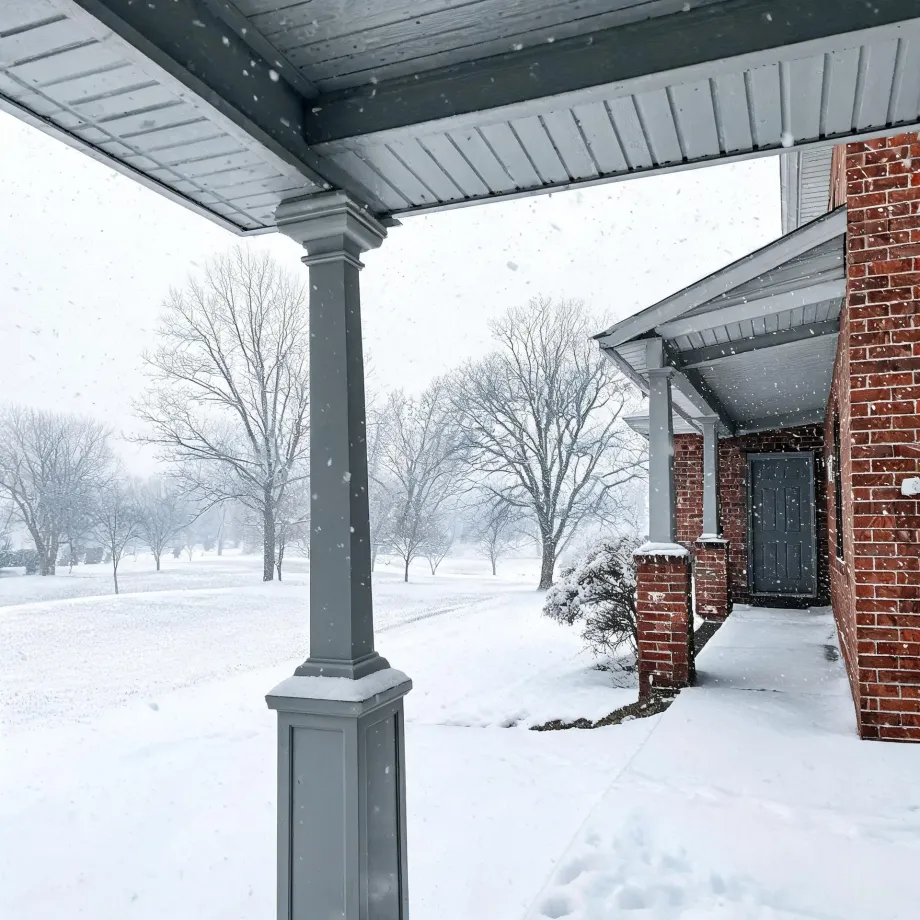
Sizing a furnace for this county means accounting for a burner and heat exchanger that cycle hard through most of the calendar year. Homes in Chautauqua County, NY run heat about eight months a year, from October through May. A contractor running a load calculation here has to get the sizing right from the start, because an undersized unit does not coast through a compressed season and recover. The burner, the ignition system, and the heat exchanger each accumulate wear at a pace that a marginal install cannot sustain. A properly sized and sealed installation spreads that load across the whole system rather than concentrating it on the parts already working hardest.
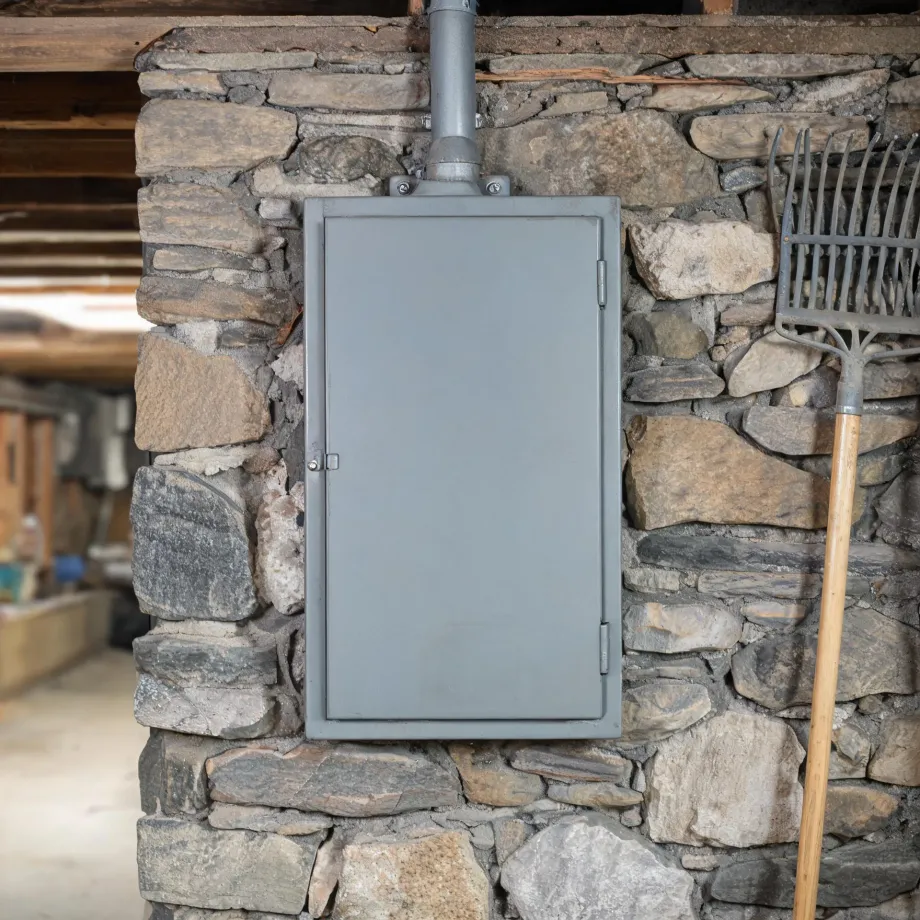
Ductwork laid down for a furnace that has long since been replaced carries its own geometry, its own sizing, and its own assumptions about airflow that may or may not match what a new unit needs. Half the homes in Chautauqua County, New York were built in 1953 or earlier (2020-2024 ACS 5-year). A contractor pricing a furnace installation here opens a conversation about what the existing ducts will actually carry, not a straight swap. The electrical is a separate question: service panels in stock this age were sized for a load that predates modern high-efficiency equipment, and a contractor checks the supply before the unit goes in. What the house already contains is where the job gets defined.
What Gets Installed With a New Furnace
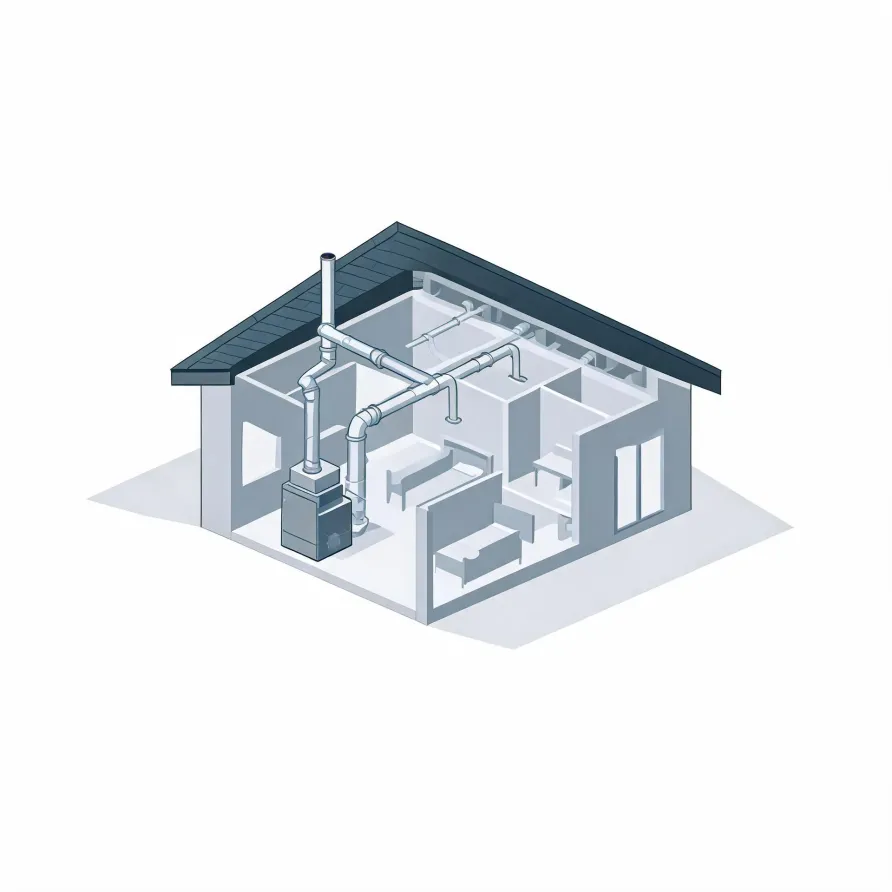
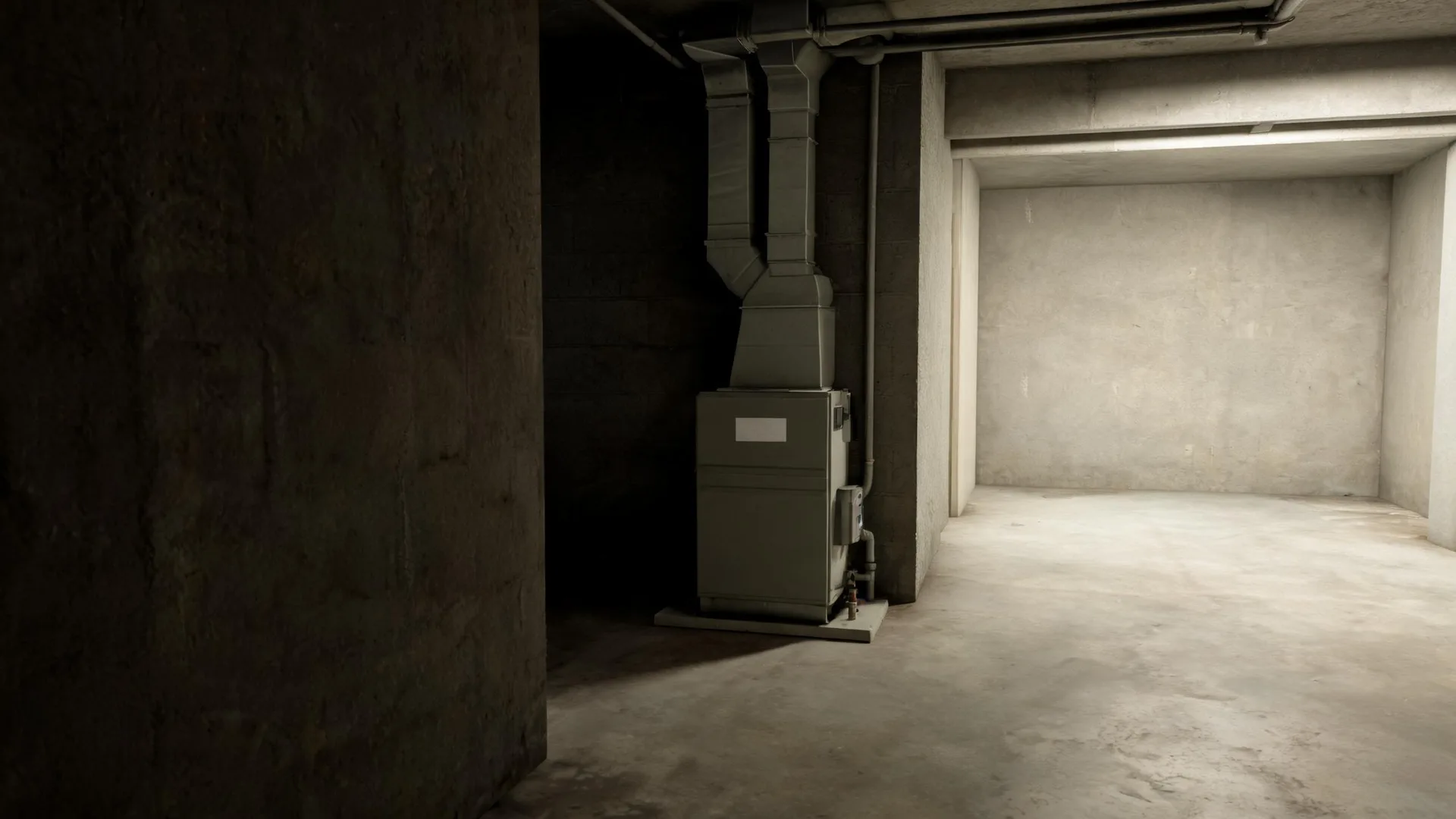
The furnace itself sits in a mechanical room, basement, or utility closet and is the core unit a contractor brings in. It houses the heat exchanger, the burner assembly, and the blower motor in a single cabinet. Those three pieces work together to produce and circulate warm air through the house.
A flue pipe runs from the furnace to an exterior wall or chimney, carrying combustion gases out of the home. Alongside the furnace, a contractor installs the air handler components and connects the unit to the thermostat, which sits on an interior wall and tells the system when to run.
The drawing shows the general layout of a furnace system, and a licensed contractor determines what applies to your specific home.
Get matched in Chautauqua CountyChautauqua County by the Numbers
300 severe weather events were recorded in Chautauqua County, New York between 2015 and 2024.
NOAA National Centers for Environmental Information, Storm Events Database, bulk CSV export, events 2015-01-01 through 2024-12-31.Half the homes in Chautauqua County, New York were built in 1953 or earlier (2020-2024 ACS 5-year).
U.S. Census Bureau, 2020-2024 American Community Survey 5-Year EstimatesChautauqua County, New York holds 66,476 housing units (2020-2024 ACS 5-year).
U.S. Census Bureau, 2020-2024 American Community Survey 5-Year EstimatesOwners occupy 68.9% of the occupied homes in Chautauqua County, New York (2020-2024 ACS 5-year).
U.S. Census Bureau, 2020-2024 American Community Survey 5-Year EstimatesFurnace Installation Rules & Standards for Chautauqua County, New York4 sourced regulations and standards
What the Installation Actually Looks Like
Non-weatherized gas furnaces manufactured on or after November 19, 2015 must reach 80.0 percent AFUE.
Non-weatherized oil-fired furnaces manufactured on or after November 19, 2015 must reach 83.0 percent AFUE.
Mobile home gas furnaces manufactured on or after November 19, 2015 must reach 80.0 percent AFUE.
Non-weatherized gas furnaces manufactured on or after December 18, 2028 must reach 95.0 percent AFUE, up from the 80.0 percent minimum that applies to units manufactured before that date.
Severe Weather Events in Chautauqua County
Extreme weather puts a measurable load on heating equipment, shortening service life and raising the odds of a failure at the worst time. How hard local conditions push a furnace is a Chautauqua County question, and it shapes what a contractor installs and how they size it.
300 severe weather events, 2015–2024. Source: NOAA National Centers for Environmental Information, Storm Events Database.