Tell us about the job
Takes about a minute. No obligation.
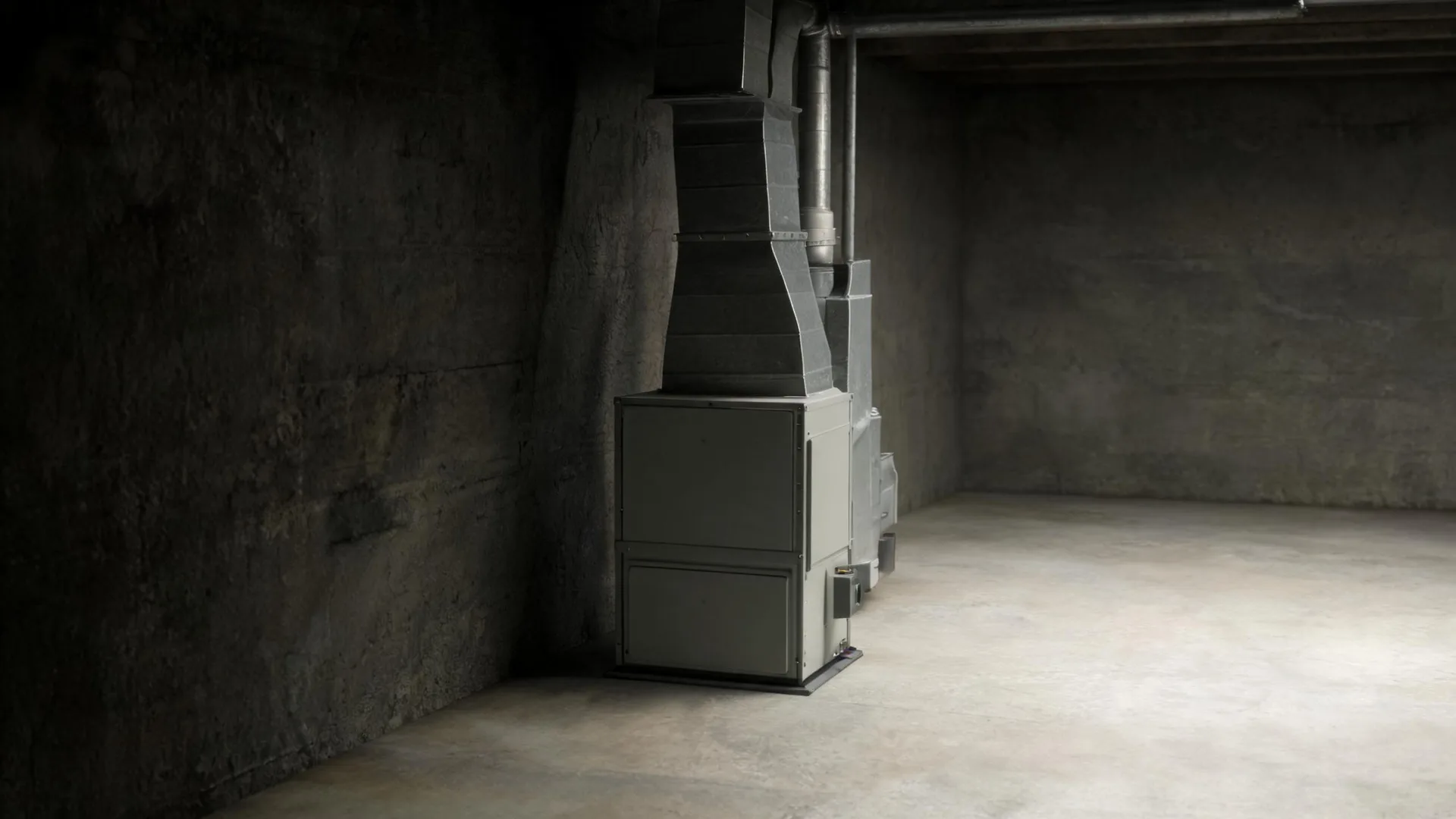
Sizing a furnace for Queens County means accounting for how long the burner and heat exchanger actually run each year. Homes in Queens County, NY run heat about seven months a year, from October through April. A contractor doing a load calculation here has to treat cumulative cycling as a real design constraint, because the ignition system and heat exchanger are working through the bulk of the calendar, not a brief cold stretch. A furnace that is undersized, or one where the flue and combustion air supply were set up carelessly, will show cracks, fatigue, and ignition failures sooner here than in a place where those components sit idle most of the year.
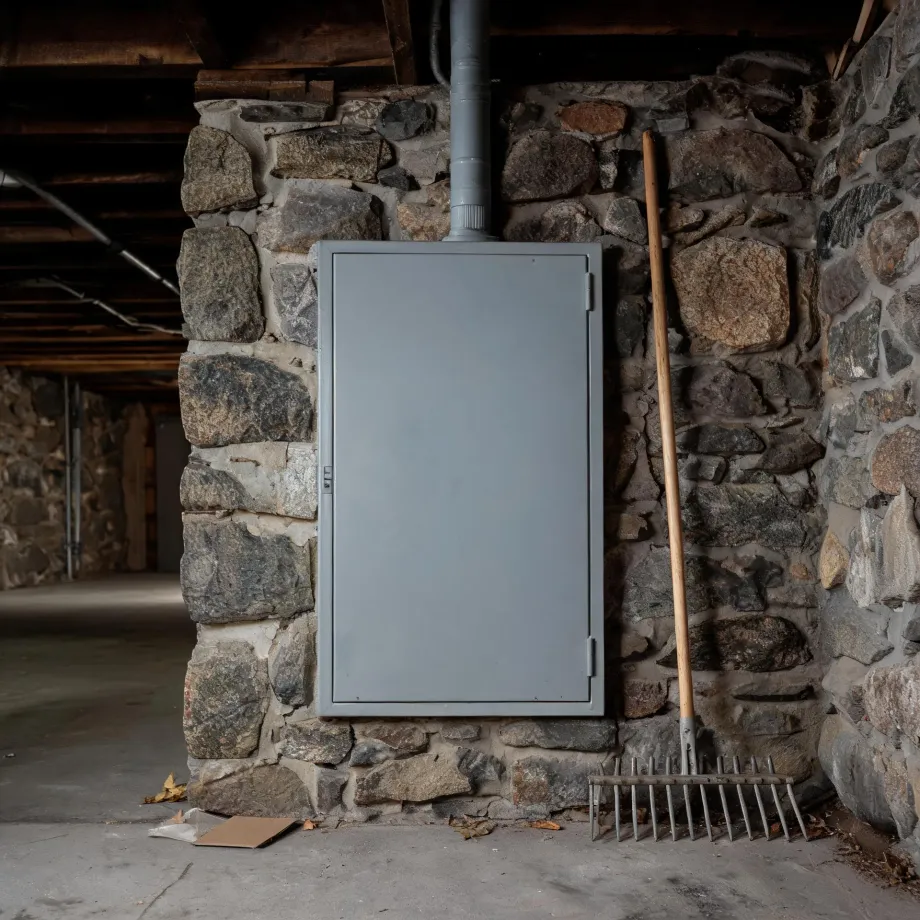
Ductwork laid down for an earlier generation of heating equipment does not automatically carry a modern furnace, and in Queens County that gap shows up on nearly every installation job. Half the homes in Queens County, New York were built in 1953 or earlier (2020-2024 ACS 5-year). What a contractor finds behind the walls and in the ceiling runs is whether the existing supply and return layout can move the air a new unit needs, or whether sections have to be modified before the equipment ever gets set. That answer drives the price more than the furnace itself does.
What Gets Installed With a New Furnace
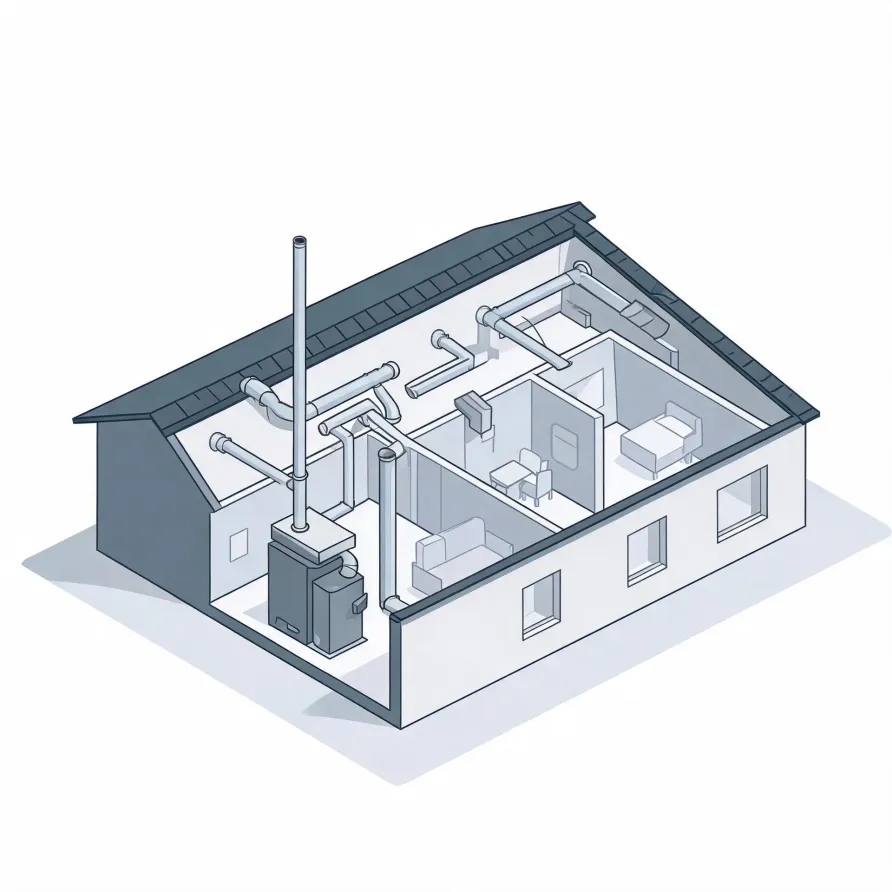
The furnace itself sits in the basement, utility room, or crawlspace and is the box that produces heat. A burner assembly inside it ignites the fuel, and a heat exchanger transfers that heat to the air that moves through your home. The blower motor, mounted inside the same cabinet, pushes that warmed air out.
The flue pipe runs from the furnace cabinet up and out of the house, carrying combustion gases away. Beside the furnace, the contractor fits a new thermostat connection point and installs the gas line hookup at the unit itself, along with the condensate drain on high-efficiency models.
The drawing shows a typical layout, and a licensed contractor determines exactly what applies to your house.
Get matched in Queens CountyQueens County, by the numbers
161 severe weather events were recorded in Queens County, New York between 2015 and 2024.
NOAA National Centers for Environmental Information, Storm Events Database, bulk CSV export, events 2015-01-01 through 2024-12-31.Half the homes in Queens County, New York were built in 1953 or earlier (2020-2024 ACS 5-year).
U.S. Census Bureau, 2020-2024 American Community Survey 5-Year EstimatesQueens County, New York holds 910,206 housing units (2020-2024 ACS 5-year).
U.S. Census Bureau, 2020-2024 American Community Survey 5-Year EstimatesOwners occupy 44.9% of the occupied homes in Queens County, New York (2020-2024 ACS 5-year).
U.S. Census Bureau, 2020-2024 American Community Survey 5-Year EstimatesFurnace Installation Rules for Queens County, New York4 codes, standards, and licensing rules
What HVAC Installation Looks Like in Queens
Non-weatherized gas furnaces manufactured on or after November 19, 2015 must reach 80.0 percent AFUE.
Non-weatherized oil-fired furnaces manufactured on or after November 19, 2015 must reach 83.0 percent AFUE.
Mobile home gas furnaces manufactured on or after November 19, 2015 must reach 80.0 percent AFUE.
Non-weatherized gas furnaces manufactured on or after December 18, 2028 must reach 95.0 percent AFUE, up from the 80.0 percent minimum that applies to units manufactured before that date.
Severe Weather Events in Queens County
Weather puts a measurable load on heating equipment. How hard a furnace works over its life depends on what the local climate actually demands, and that makes this data relevant to any installation decision in Queens County.
161 severe weather events, 2015–2024. Source: NOAA National Centers for Environmental Information, Storm Events Database.