Tell us about the job
Takes about a minute. No obligation.
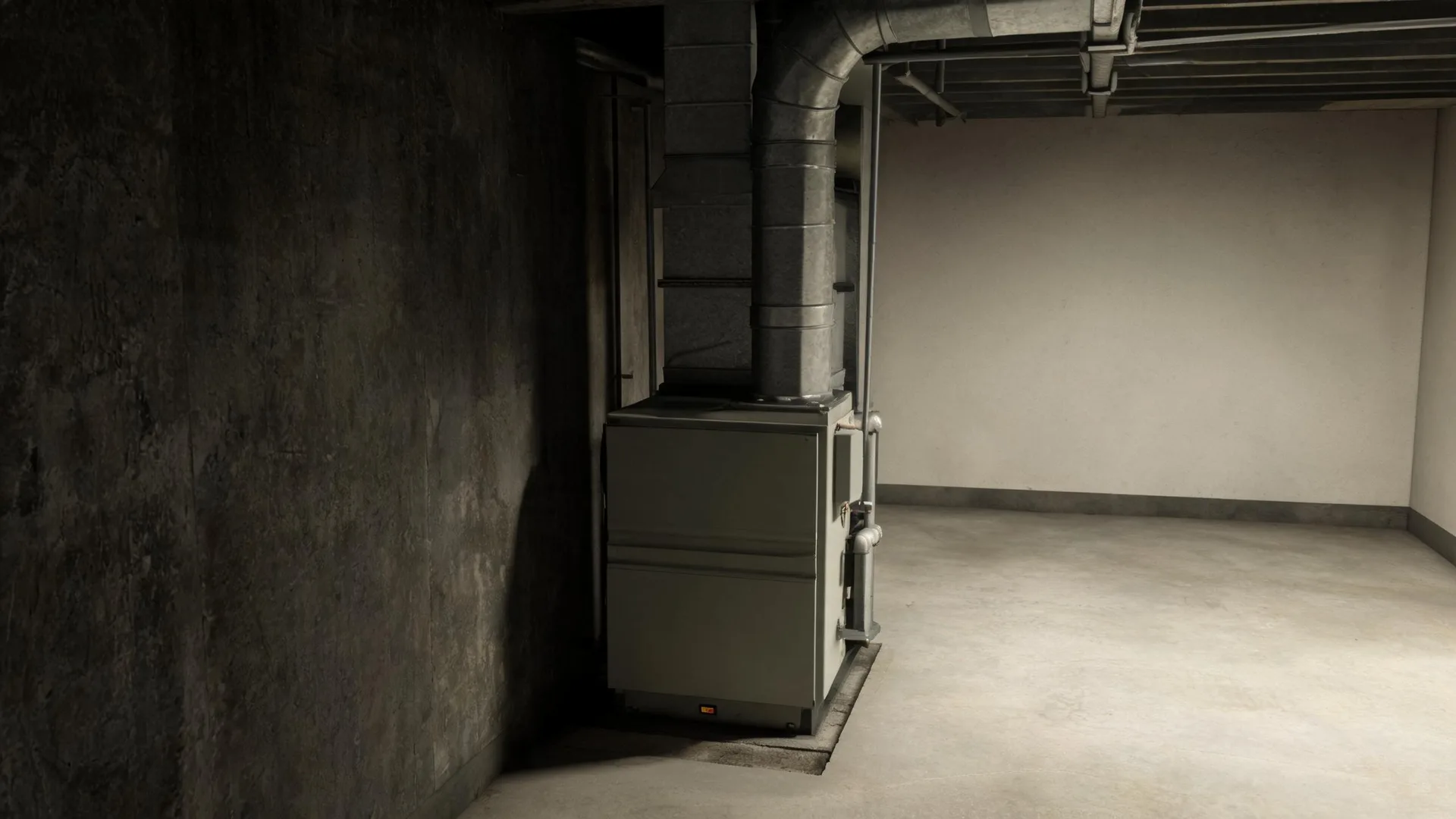
Sizing a furnace for Hamilton County starts with how long the burner actually runs, not just how cold the coldest days get. Homes in Hamilton County, NY run heat about ten months a year, from September through June. A heat exchanger and ignition system cycling through that kind of run accumulate stress at a pace that punishes an undersized unit quickly and makes the quality of the initial installation a long-term cost question. A contractor quoting a replacement here has to factor sustained runtime into the equipment selection, because a unit that is marginal for the load will show it well before its rated service life.
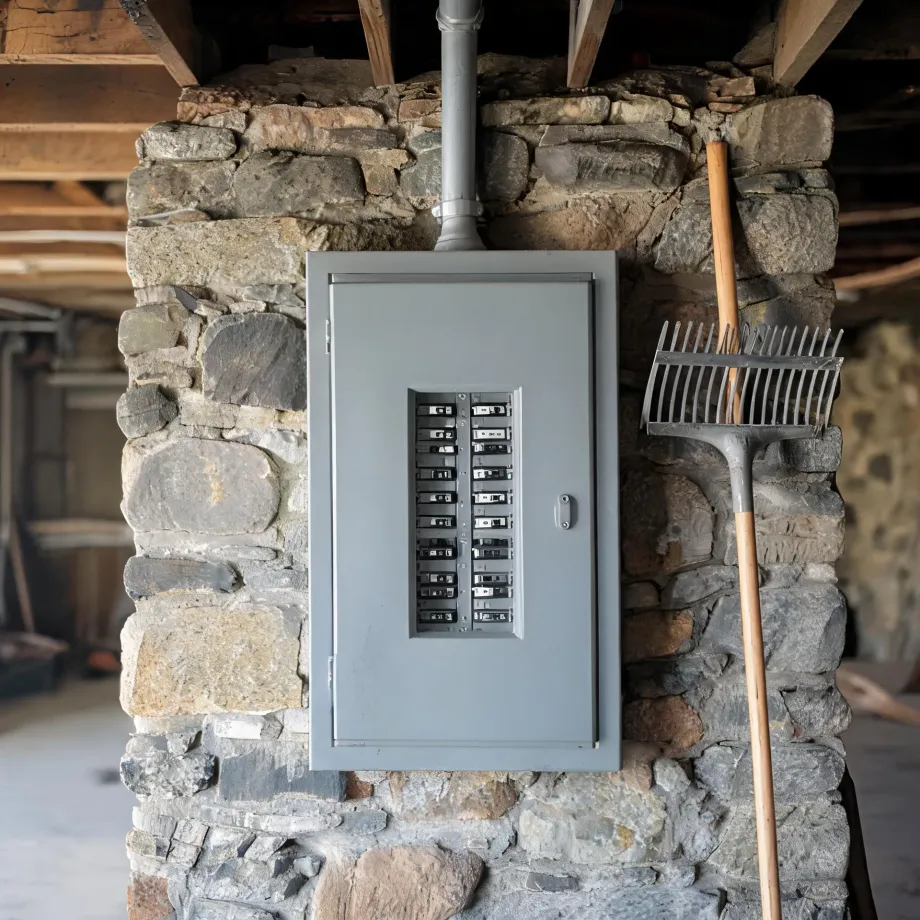
Ductwork put in for an earlier generation of equipment carries assumptions about airflow, capacity, and layout that a new furnace does not share. Half the homes in Hamilton County, New York were built in 1969 or earlier (2020-2024 ACS 5-year). A contractor quoting a furnace replacement here has to look at what the existing distribution will and will not pass before settling on equipment, because a system sized for the house as it stands now pulls differently than what those ducts were built around. The electrical service matters too, but it is the ductwork that most often sets the scope of the job.
What Gets Installed With a New Furnace
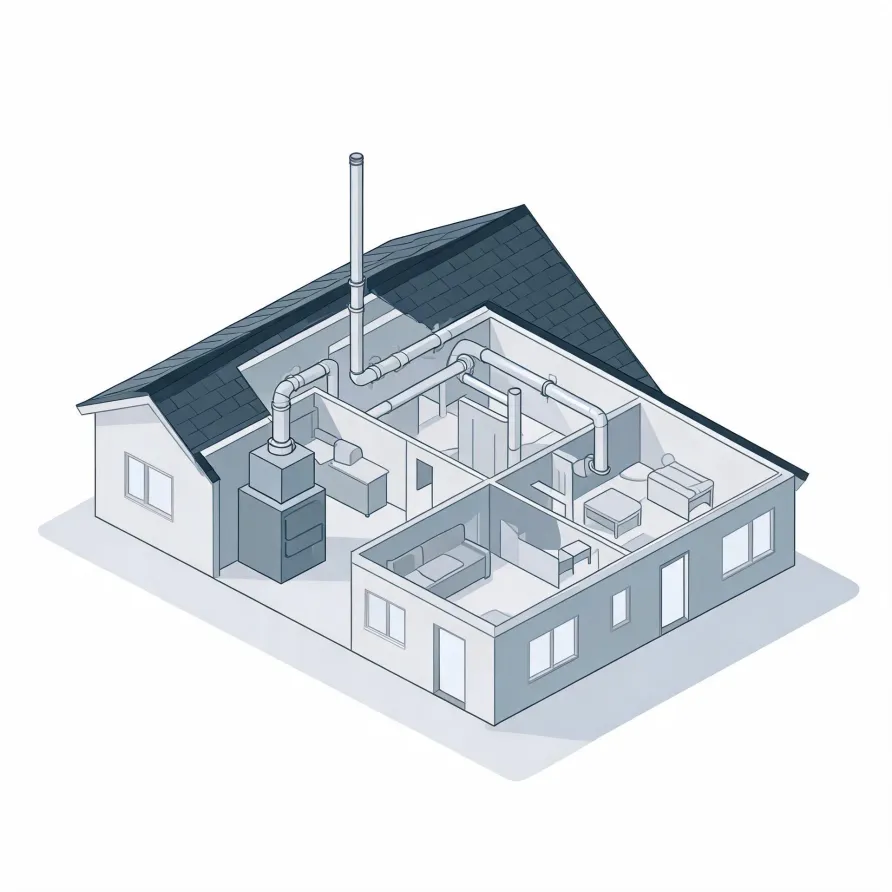
The furnace itself sits in a basement, utility room, or mechanical closet and is the unit that generates heat for the house. Attached to it is the heat exchanger, a metal chamber where combustion heat transfers to the air that moves through your home. The burner assembly and ignition system live inside the cabinet and are part of what a contractor installs as a single unit.
The flue pipe runs from the furnace to an exterior wall or through the roof, carrying combustion gases out of the house. The blower motor and its housing sit inside the furnace cabinet and push conditioned air into the supply side of the system. A thermostat mounts on an interior wall and serves as the control point that tells the furnace when to fire.
The drawing shows a typical layout, and a licensed contractor determines exactly what applies to your home.
Get matched in Hamilton CountyHamilton County, New York, by the numbers
105 severe weather events were recorded in Hamilton County, New York between 2015 and 2024.
NOAA National Centers for Environmental Information, Storm Events Database, bulk CSV export, events 2015-01-01 through 2024-12-31.Half the homes in Hamilton County, New York were built in 1969 or earlier (2020-2024 ACS 5-year).
U.S. Census Bureau, 2020-2024 American Community Survey 5-Year EstimatesHamilton County, New York holds 7,911 housing units (2020-2024 ACS 5-year).
U.S. Census Bureau, 2020-2024 American Community Survey 5-Year EstimatesOwners occupy 82.4% of the occupied homes in Hamilton County, New York (2020-2024 ACS 5-year).
U.S. Census Bureau, 2020-2024 American Community Survey 5-Year EstimatesFurnace Installation Rules on the Books for Hamilton County, New York4 codes & standards
What the Installation Actually Looks Like
Non-weatherized gas furnaces manufactured on or after November 19, 2015 must reach 80.0 percent AFUE.
Non-weatherized oil-fired furnaces manufactured on or after November 19, 2015 must reach 83.0 percent AFUE.
Mobile home gas furnaces manufactured on or after November 19, 2015 must reach 80.0 percent AFUE.
Non-weatherized gas furnaces manufactured on or after December 18, 2028 must reach 95.0 percent AFUE, up from the 80.0 percent minimum that applies to units manufactured before that date.
Severe Weather Events in Hamilton County
Hamilton County winters put real strain on heating equipment, and that strain compounds with every storm that pushes temperatures down and runtimes up. What a furnace endures here is a local question, shaped by local conditions, which is why the weather record matters when sizing and installing equipment for this area.
105 severe weather events, 2015–2024. Source: NOAA National Centers for Environmental Information, Storm Events Database.