Running, and keeping up
The blower moves air, the burners fire, and warm air reaches every room. Vents feel warm to the hand within a few minutes of a cycle starting. This is what a furnace doing its job looks like, whatever its age.
A furnace that runs but doesn't warm the house usually means heat is being made but not delivered, or not enough of it is being made. The most common cause is airflow: a clogged filter chokes the system, so it keeps running while the air coming out barely feels warm. Another is a failing part that limits how hard the furnace can fire, like a bad flame sensor shutting it down early or a blower motor that spins too slow to push heat through the ducts. In an older gas furnace, a worn heat exchanger can also force it to run longer and weaker to keep up. Thermostat placement or a miscalibrated sensor can make the furnace think the house is warmer than it is, so it cycles off too soon. None of these fix themselves, and running the furnace harder in the meantime just adds to the gas bill without adding heat.
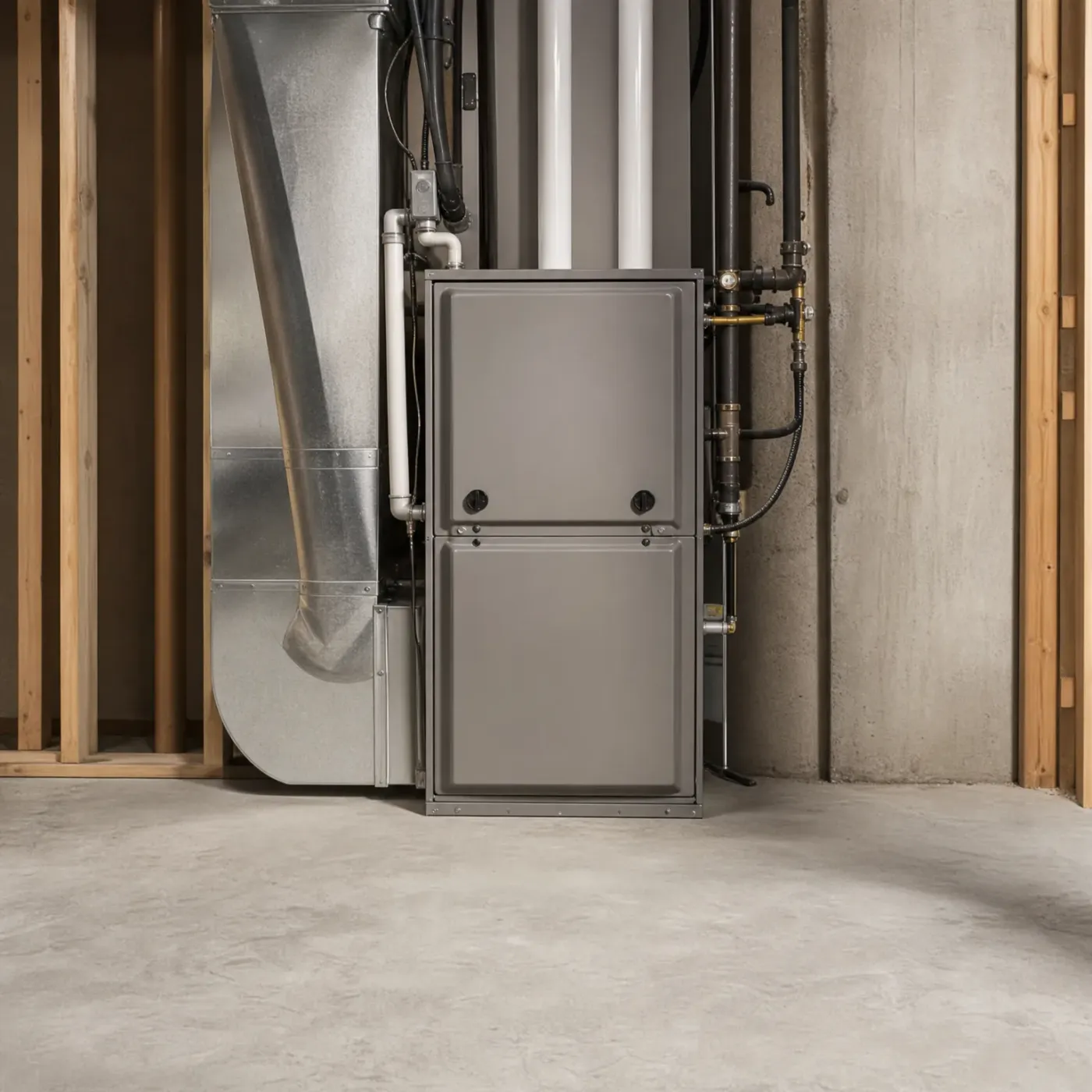
The blower moves air, the burners fire, and warm air reaches every room. Vents feel warm to the hand within a few minutes of a cycle starting. This is what a furnace doing its job looks like, whatever its age.
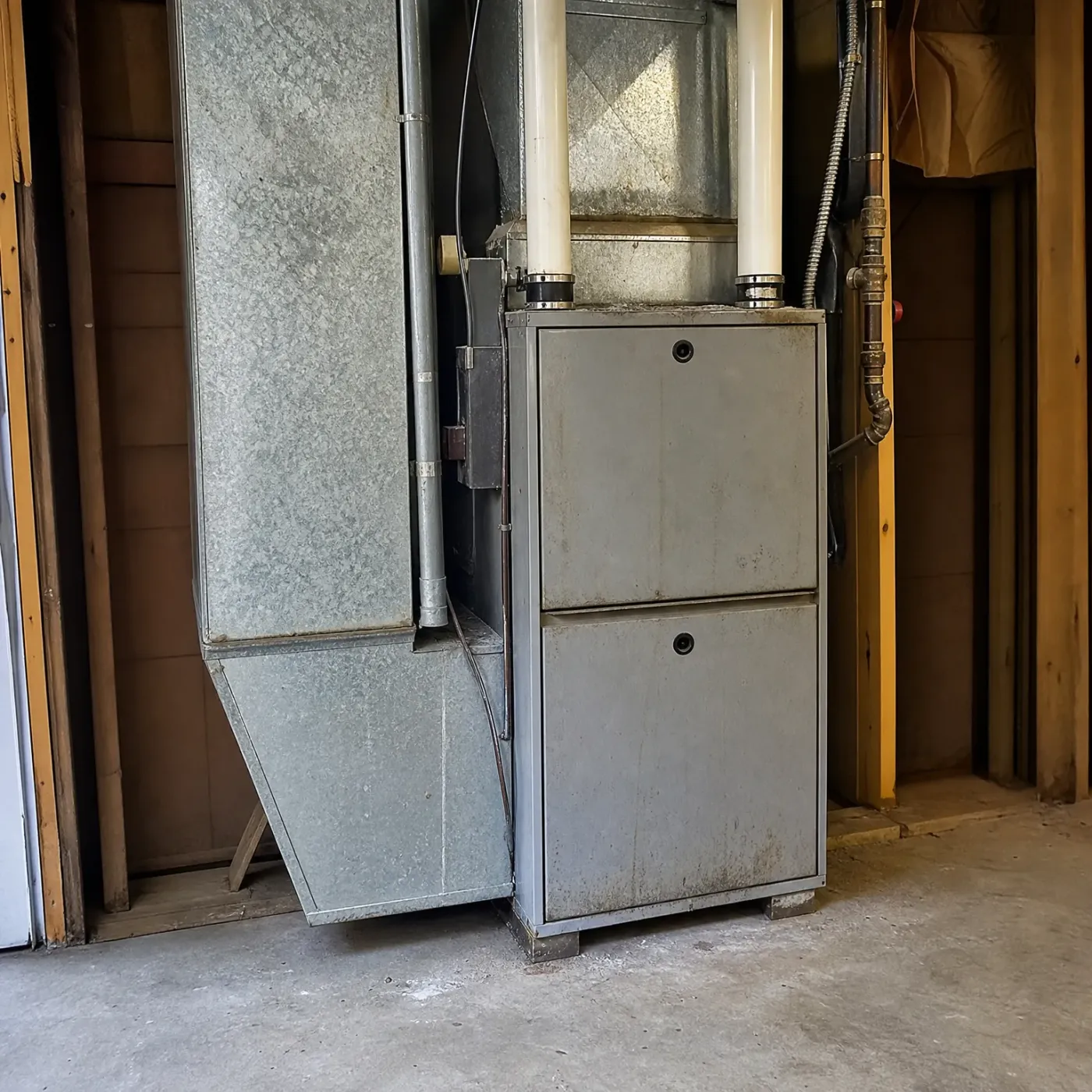
The furnace cycles on and on but the house stays cool. Rust on the cabinet or exhaust pipes can point to a cracked heat exchanger or a failing inducer motor, either of which cuts how much heat actually gets into your ducts.
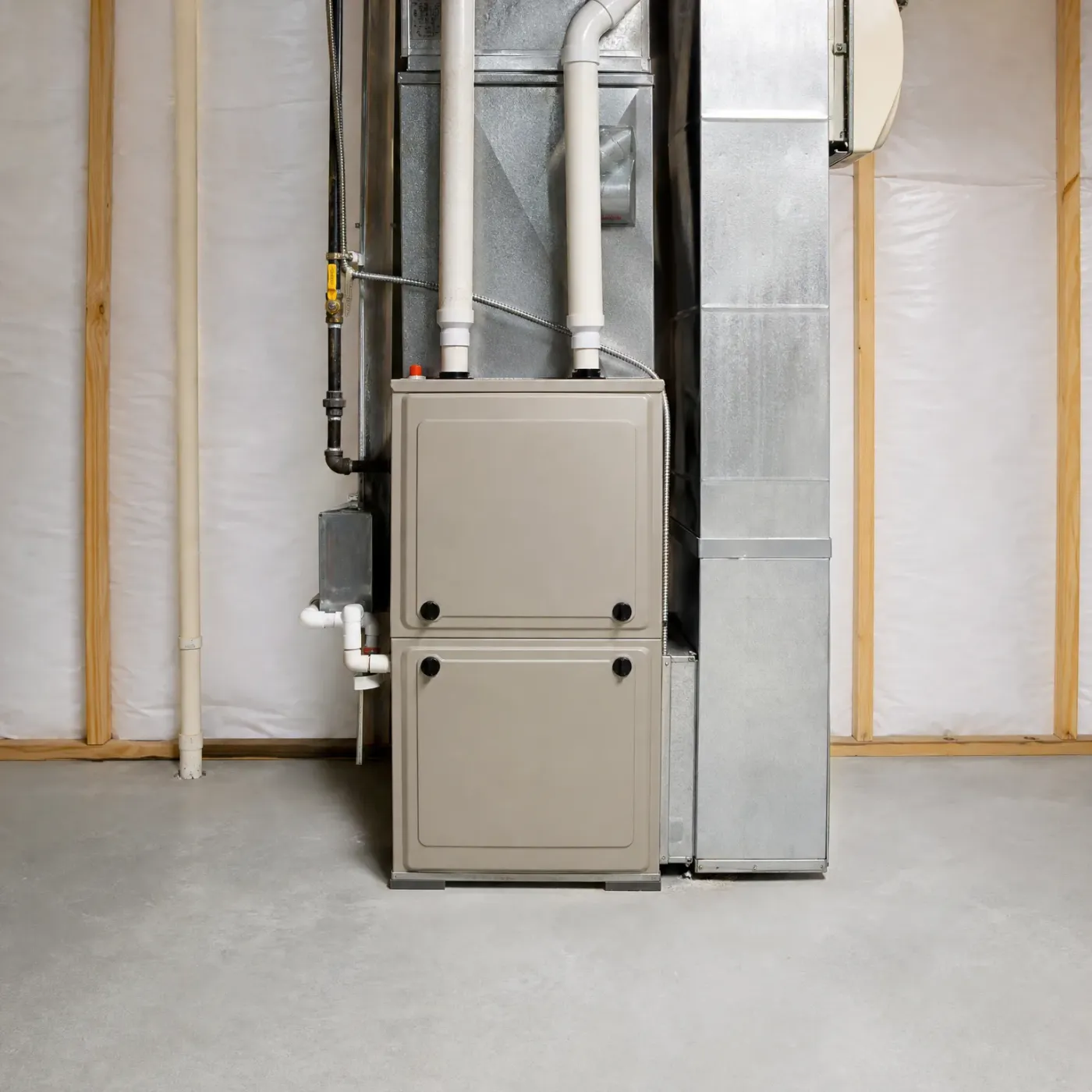
The furnace fires, the blower pushes air through the ductwork, and the flue pipes vent the exhaust outside. Nothing nearby needs attention. A setup like this should bring the house up to temperature on a normal cycle and hold it there through a cold night.
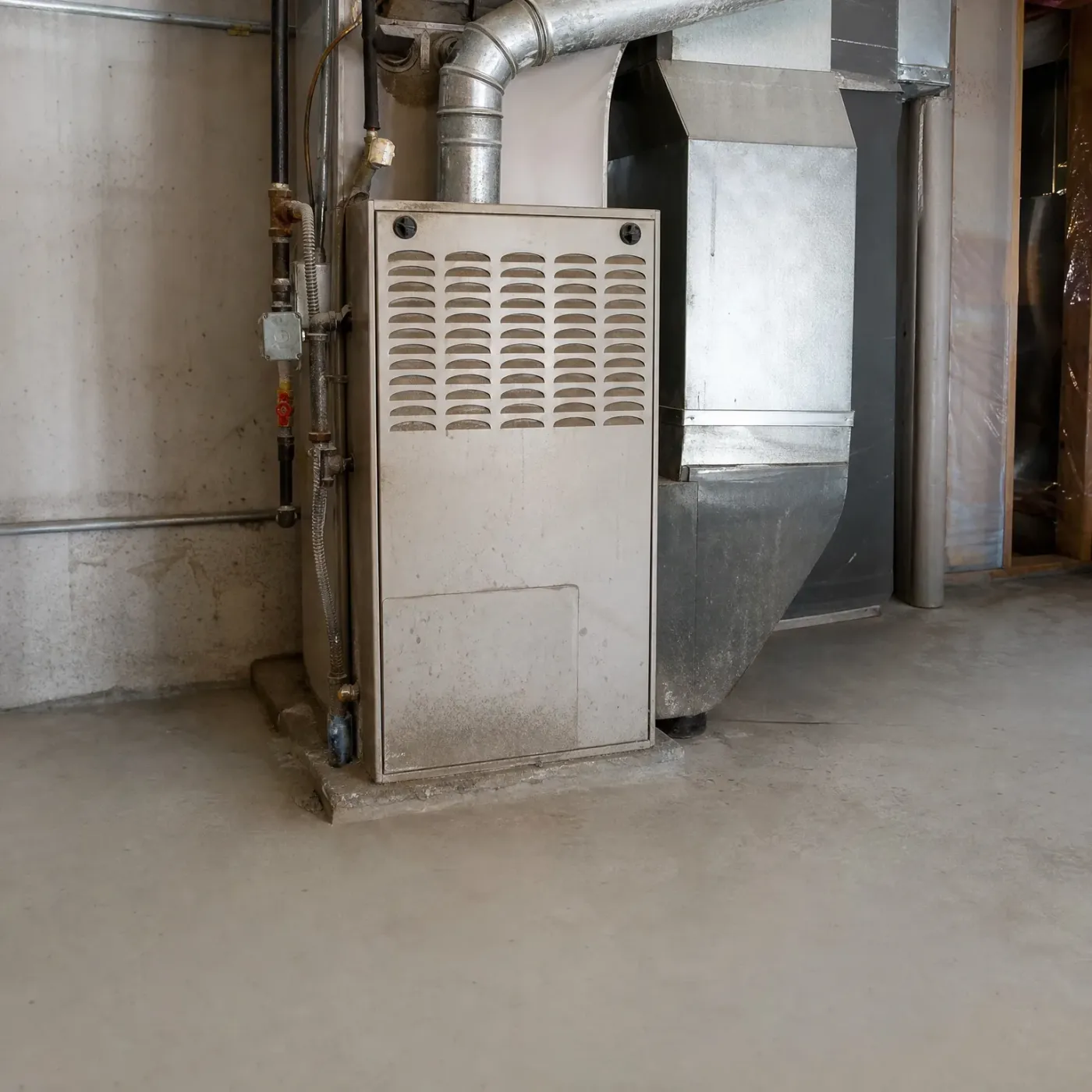
The cabinet looks its age, and age alone can mean weaker heat even when the burners still light. Dust built up on the vents can slow the air coming out. If the house stays cold while this one keeps running, something inside it is due for a look.
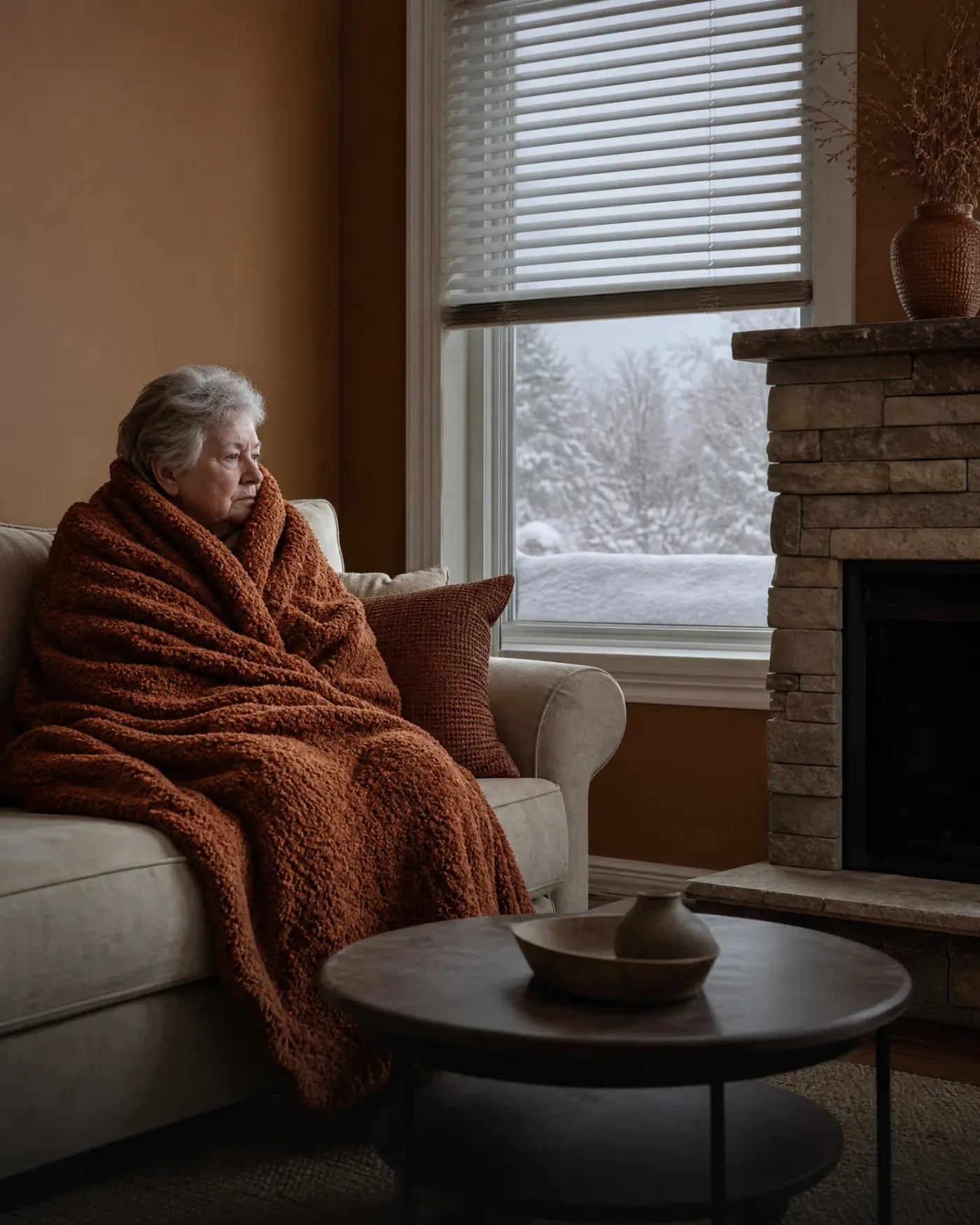
You hear the burners kick on, the blower is moving air, but the rooms don't warm up, or they warm up slower than they used to. Hold your hand to a vent and the air feels lukewarm instead of hot. Some rooms heat while others stay cold. The thermostat shows a few degrees less than what you set it to, and it stays that way no matter how long the furnace runs. You might notice the furnace cycling more than usual, on for a few minutes, off, then on again. With New York winters, a furnace that can't keep up means the house loses ground on the coldest nights, pipes in outer rooms or the basement sit colder longer, and the gas keeps burning without the result you're paying for.
The thermostat calls for heat and signals the control board.
The igniter glows or sparks to light the burners.
The burners fire and heat the metal heat exchanger.
The blower turns on and pushes air across the heat exchanger.




A furnace that runs without warming the house is still doing work, which means something is drawing power and gas while giving you less heat for it, and in New York that shows up fast on a bill already higher than most of the country's. Letting it ride through a cold stretch costs you twice: the comfort you're not getting and the fuel spent trying to get it. A furnace stuck short cycling or pushing lukewarm air can also strain parts that were fine a month ago, turning a simple fix into a bigger one. The contractor who takes this request works on furnaces like yours all winter in your area and will know whether a problem like this is usually the igniter, the blower, or something in the ductwork before they even walk in. Sending the request means one local contractor looking at your specific furnace, not a list of strangers to sort through while your house stays cold.
A furnace sized for your house moves a set amount of air every minute it runs. When a dirty filter or a closing duct cuts that airflow, the heat exchanger has nowhere to put the heat it's making.
That heat backs up inside the furnace instead of reaching your rooms, and the limit switch can shut the burners off early to protect it. Less warm air out, more cycling, same gas burned.
Winter nights here average 24°F. A furnace working right can hold a house steady against that without much trouble. One that runs but can't keep up will show it fastest overnight, when the cold outside is hardest on it and everyone's home to feel the difference.
NOAA nClimDiv 1991-2020 county normals weighted by homes
A furnace that runs but doesn't heat is telling you something specific: either air isn't moving through it the way it should, or a part inside it has stopped doing its job. Both are things a technician finds fast, usually in the first few minutes of looking. Cold spots, short cycling, a thermostat that never seems satisfied, a sound the furnace didn't used to make: each of these narrows down what's wrong before anyone touches a tool. None of it gets better by waiting. The furnace keeps burning gas and running the blower whether or not the heat reaches you, and in a New York winter that cost shows up on the bill before the house ever warms up.
Finding someone to look at it is the part that usually drags. Here it doesn't. One request goes out, and it goes to a single licensed contractor working in your area, someone who deals with furnaces all winter and has likely run into your exact symptom before, in a house not unlike yours. There's no second call to make if the first one doesn't pan out, and no list of companies to sort through and compare. You explain what the furnace is doing, or not doing, and someone who already knows what usually causes it takes it from there. The house gets warm again, and that stops being something you have to manage yourself.

Only one pro gets your request, so you hear from one company.
Sending the form costs nothing.