 Request a pro
Furnace pilot light keeps going out in New York
Say what's going on with your furnace, and a pro who works on them reaches out.
A pilot light that won't stay lit usually means something small has failed: a thermocouple that's worn out, a draft reaching the flame, or dirt sitting on the pilot assembly. None of those fix themselves, and in the middle of a New York winter, a furnace that keeps dropping out means the heat keeps dropping out too.
You already know what gas costs here, and you know what it's like to run space heaters while you wait on a repair. The longer this goes, the more it costs you one way or another.
This isn't something to chase down part by part on your own. A furnace's pilot system has a few pieces that work together, and figuring out which one's bad usually means someone who's seen this exact problem before taking a look at your specific unit.
That's what this page connects you to. Fill out the form and a contractor who handles furnace repair in your area gets your information and reaches out to you. You're not left searching for a name in the phone book or calling around to see who can fit you in. Once you send the form, it's no longer on you to find the right person. That part is handled.
Every furnace is a little different, and so is every home's setup, the venting, the gas line, how old the system is. A contractor who comes out to look at yours can tell you what's actually going on, not just what's common. That's the difference between a general answer and one that applies to your furnace specifically.
Cold spells in New York don't wait for a convenient time, and neither does a furnace that won't stay lit. Send the form, and let someone qualified take it from here.
Why does my furnace pilot light keep going out?
It's happened more than once now, maybe a few nights in a row. You relight the pilot, it holds for a while, then you walk by later and the flame's out again. With how cold it gets here and what gas and electric both run in New York, you want to know if this is something you can keep handling yourself or if it's a sign the furnace needs a tech to look at it.
Usually it's a worn thermocouple, and relighting it won't fix that
The thermocouple is the small part that senses the pilot flame and tells the gas valve it's safe to stay open. Once it wears out, it stops reading the flame correctly and shuts the gas off even though the pilot is lit fine. Relighting it gives you a few hours or a day before it happens again, because the part itself hasn't changed. A draft from a nearby vent or a dirty pilot assembly can cause the same thing, but those usually show a pattern, like it going out only on windy nights. Either way, it's a part that needs replacing or cleaning by hand, not something that clears up on its own, and running a furnace that keeps cutting out means heat you can't count on through a New York winter.




Worn Part or Outside Cause
Thermocouple
- A worn thermocouple is the most common reason a pilot won't stay lit, and it's a simple part to swap.
- It sits right in the pilot flame, and once it can't sense the heat properly, it tells the gas valve to shut off.
- Replacing it usually settles the problem for good, since there's nothing else nearby that wears out as fast.
- It doesn't affect the rest of the furnace. The blower, the burners, and the ductwork keep running fine once it's swapped.
- Cost stays low compared to other furnace repairs, since it's a single small part and straightforward labor.
Draft or dirt
- A draft hitting the pilot flame from a loose vent cover, a cracked cabinet seam, or a nearby basement door is harder to pin down than a bad part.
- Dirt or soot on the pilot assembly can block the flame from reaching the thermocouple, and that buildup comes back if the source isn't found.
- Fixing it means tracing where the air or dirt is coming from, which can take more than one visit if the cause isn't obvious right away.
- If it's a venting issue, it may point to a bigger problem with how the furnace is drafting, not just the pilot itself.
- Once the draft or buildup is addressed, the pilot usually holds, but the fix depends on finding the actual source, not just cleaning what's visible.
Gas flows to the pilot and you light it by hand.
The thermocouple sits in the flame and heats up.
Once hot enough, it tells the gas valve to stay open.
A draft, dirty tip, or worn thermocouple breaks that signal.


A local pro for your furnace repair
One request and the search for a pro is handled.
A local pro who knows furnaces gets your details and gets in touch.
No fee to send it, and nothing to sign.
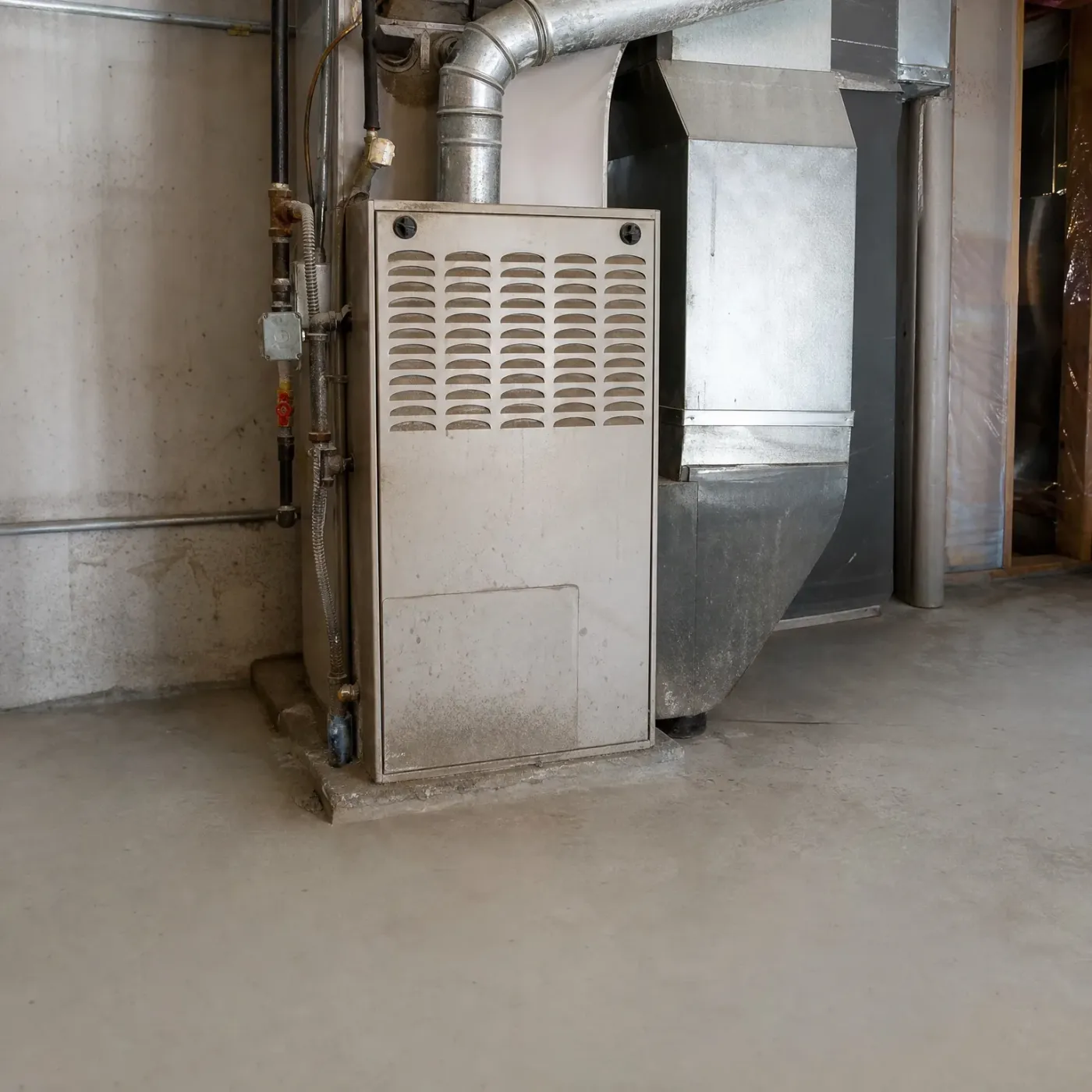
A pilot that won't hold isn't a once-and-done fix, it's a pattern, and the pattern is the problem. Every relight is a stall, not a solution, and the gas valve shutting off on its own is the furnace doing its job, keeping unburned gas from filling the house. That's not something to work around with space heaters, not with what power costs here already. Left alone, a worn thermocouple can take the pilot assembly or the gas valve down with it, turning a small part swap into a much bigger repair. None of this is about one cold morning. It's about what happens if the nights stack up, if the furnace keeps cutting out while it's 20 degrees outside and nobody's called anyone yet. A repair now is a part. A repair later, after the valve's been cycling on a bad signal for weeks, is a different conversation. The sooner it's looked at, the smaller the job tends to stay.
What a Failing Pilot Costs You
- A pilot that won't hold means no heat until it's fixed, and that's a real problem when it's 20 degrees outside overnight.
- Relighting it yourself every few hours isn't a fix, it just buys a few hours before it goes out again.
- A furnace that keeps shutting off the gas valve on its own is protecting the house from unburned gas, which is a sign to take seriously.
- Running space heaters to cover the gap while the pilot keeps failing adds to an electric bill that's already high here.
- Leaving a worn thermocouple alone long enough can mean the pilot assembly or gas valve wears out too, and that's a bigger repair.
- A few cold mornings waiting on a fix is one thing, but a no-heat night in January isn't something to sit on.
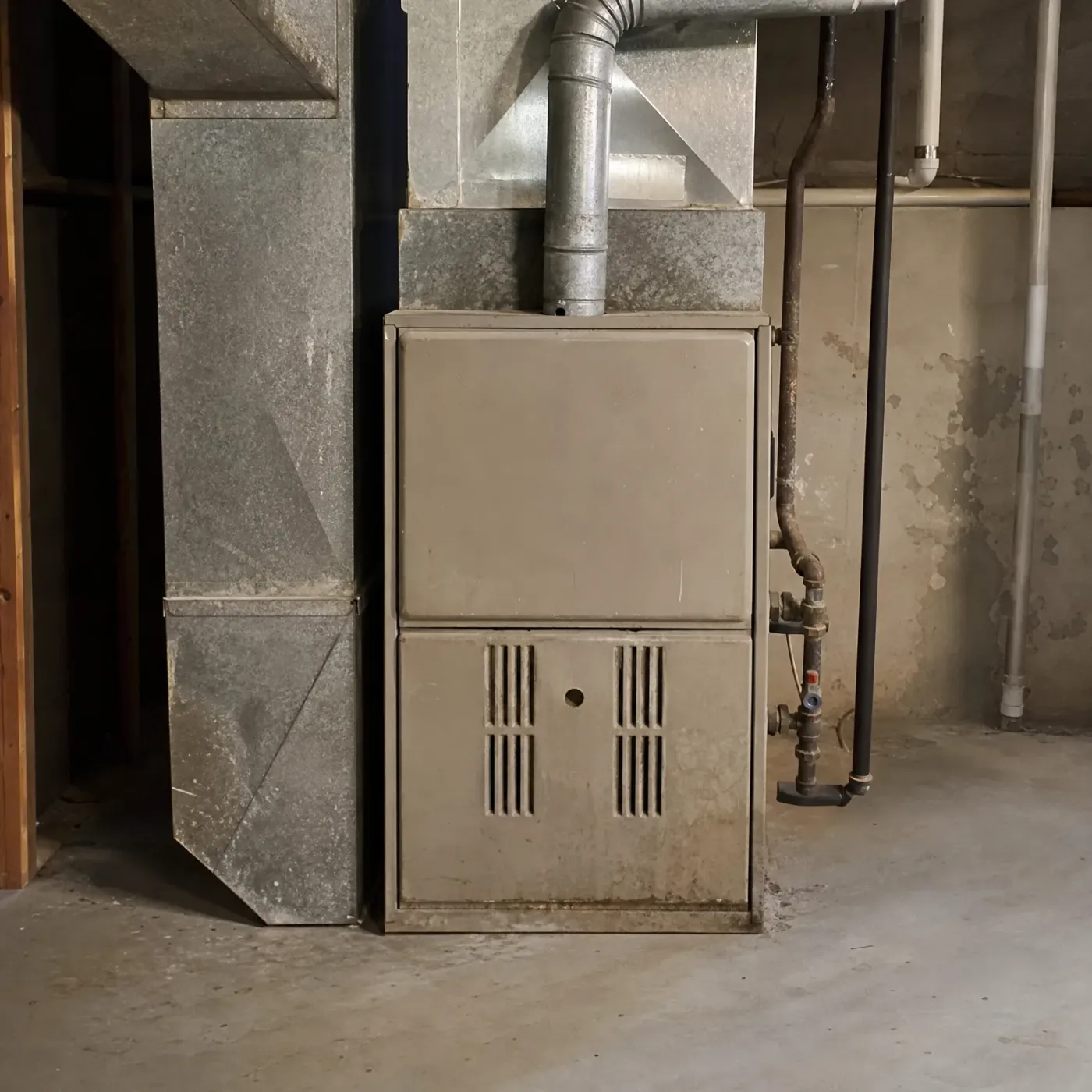
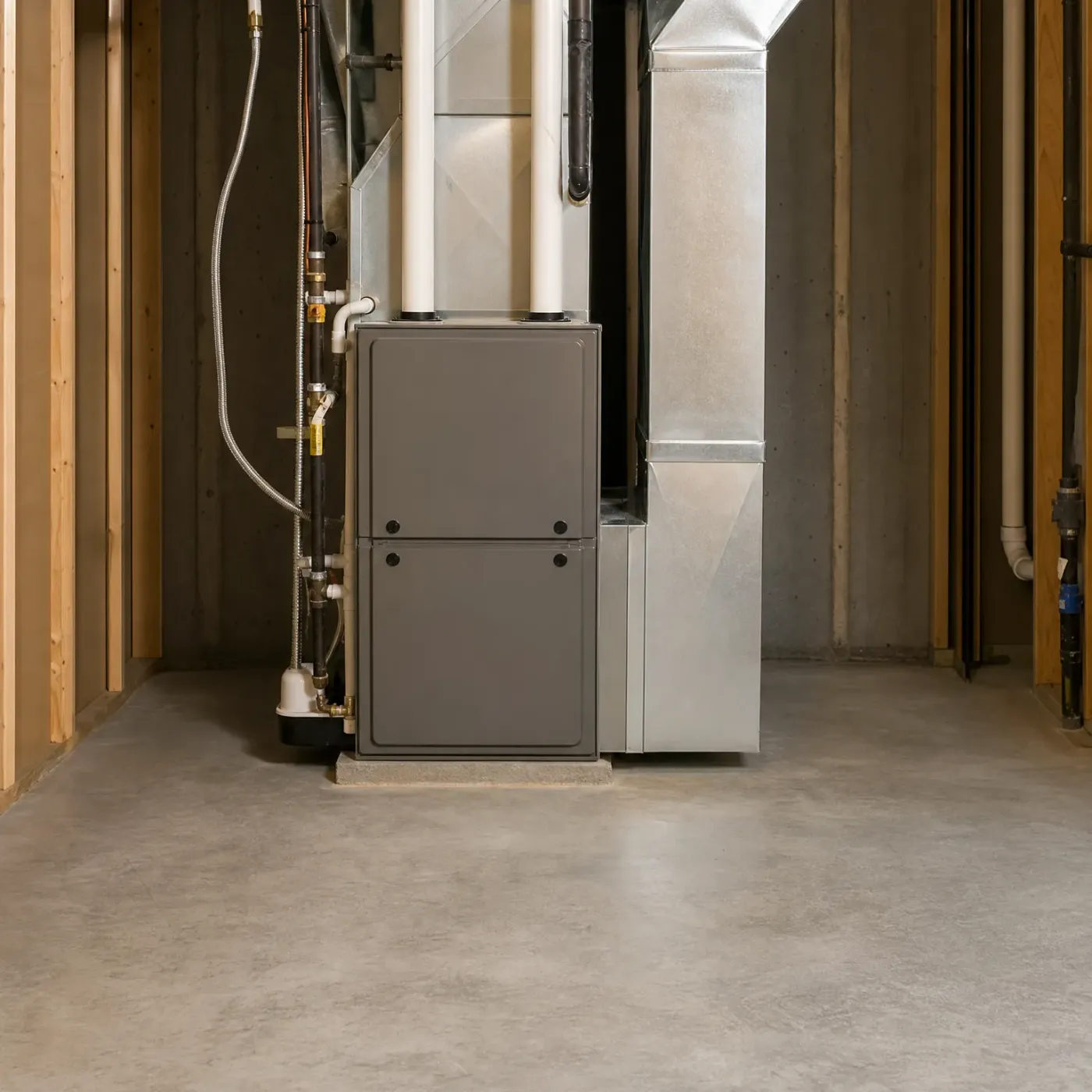
Statewide, winter nights average 24°F, according to NOAA climate data. That's the kind of cold where a furnace is firing for hours on end, which means the pilot assembly is working overtime too. If a draft is reaching the flame or the thermocouple is on its way out, the extra run time gives it more chances to fail. You might notice the pilot holding fine during a mild afternoon, then dying overnight when the temperature drops and the furnace is working hardest. The colder it gets, the more that weak spot shows itself, usually right when you need the heat most.
NOAA nClimDiv 1991-2020 county normals weighted by homes
A pilot that won't stay lit comes down to a thermocouple, a draft, or dirt on the assembly, and a furnace tech can tell which one in a single visit. None of those get better on their own, and relighting it again tonight just buys a few more hours before it goes out once more. You don't need to know which part it is before you call. Send the form and the job of finding someone qualified stops being yours to carry. A contractor who works on furnaces in your area will reach out, look at the actual pilot assembly, and get it holding a flame again instead of you standing over it with a lighter every few hours. With nights this cold, a furnace that runs steady isn't a small thing. You've already done the part that mattered, which was noticing the pattern instead of just relighting it again and hoping this time is different.
Get the right pro for your furnace
Send it once and finding someone is no longer on you.