Tell us about the job
Takes about a minute. No obligation.
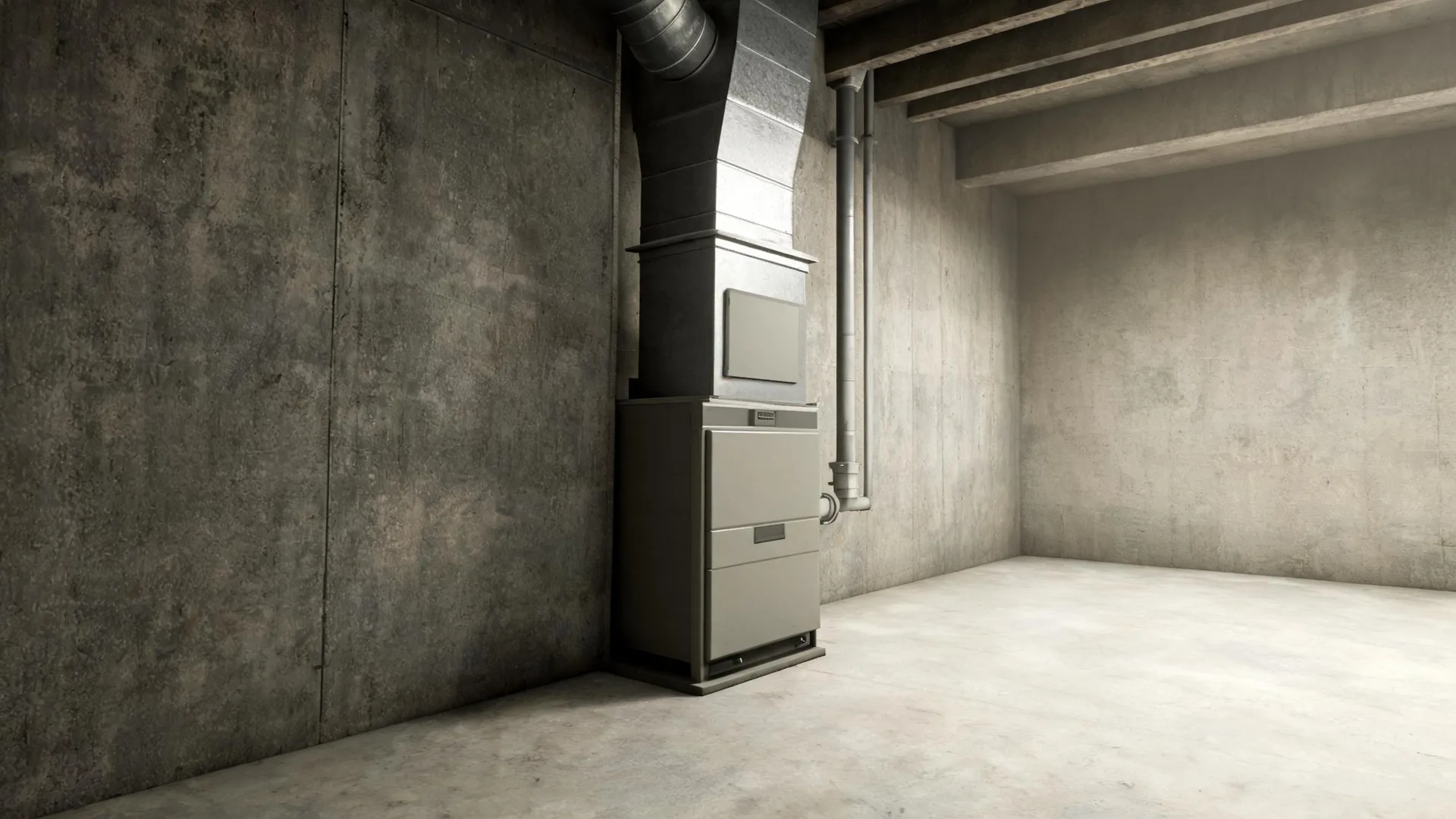
A furnace repair in Schoharie County starts with the parts that cycle hardest. Homes in Schoharie County, NY run heat about nine months a year, from September through May. The burner and ignition system fire up repeatedly across that run, and the heat exchanger flexes with every cycle through months of cold. By the time a furnace shows a fault, those components have logged a history a contractor can see: stress fractures, worn igniters, corroded flame sensors. A technician working a repair here will inspect the heat exchanger for cracks before pricing any other fix, because a cracked exchanger changes the scope of the job entirely.
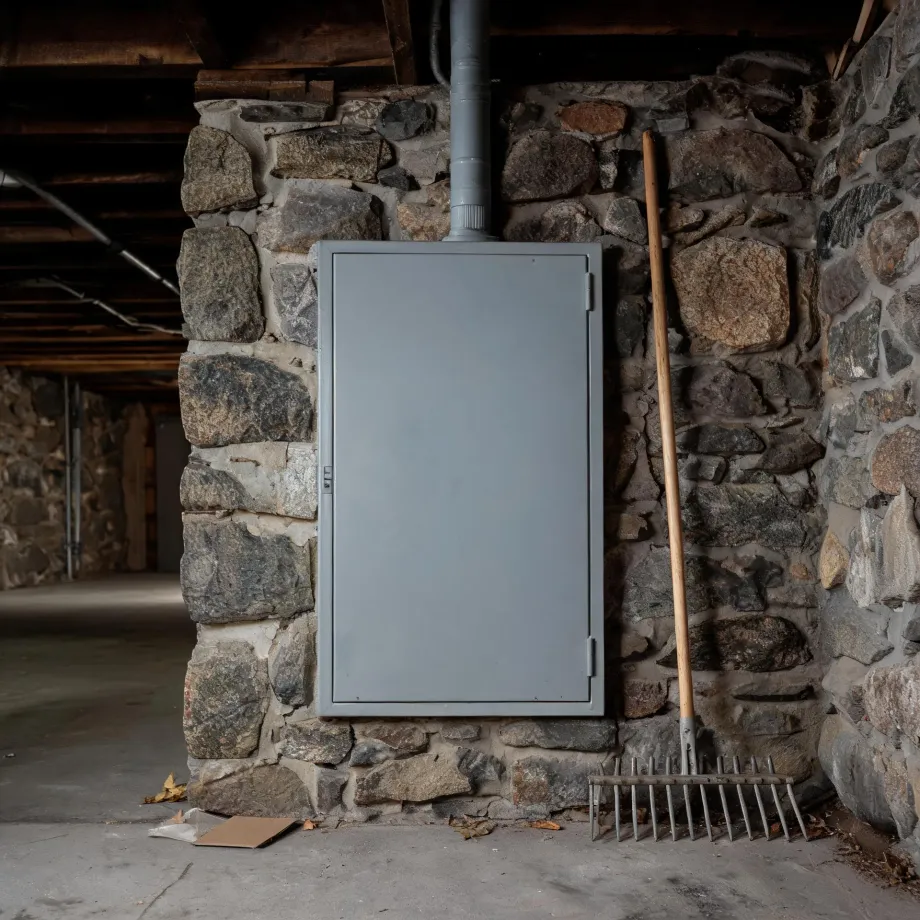
Older ductwork in a house this age is sized and routed for a furnace that is almost certainly gone, which means what a contractor finds once the unit is opened matters more than what the thermostat is showing. Half the homes in Schoharie County, New York were built in 1974 or earlier (2020-2024 ACS 5-year). A furnace running in stock that old has usually been replaced at least once, and the question a contractor works through is whether the replacement's serviceable parts are still in production. Burner assemblies, heat exchangers, and control boards for mid-vintage equipment vary sharply in availability, and that answer sets the repair bill more than the labor does.
The Parts of a Furnace a Contractor Checks First
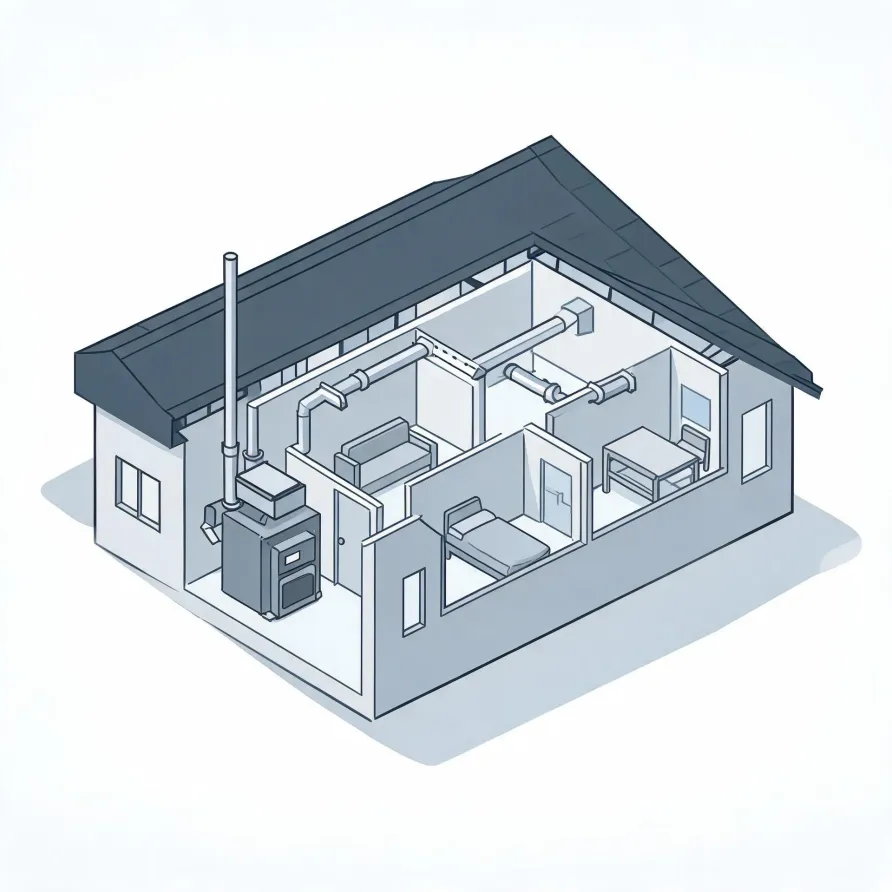
The furnace itself sits in a basement, utility closet, or mechanical room and is the heart of the system. Inside it, the heat exchanger is what a contractor goes to early: cracks or corrosion there let combustion gases into the living space, and a failed one shuts the system down. The burners, the igniter, and the flame sensor all live in that same cabinet, and any one of them can be the reason the furnace runs poorly or not at all.
The blower motor sits at the base of the furnace and moves conditioned air out into the house. The flue pipe runs from the top of the cabinet up and out, carrying exhaust gases away. The control board ties every component together, and when sensors or relays on it fail, the fault shows up as strange behavior anywhere in the system.
The drawing shows a representative layout, and a licensed contractor determines what applies to the specific equipment and configuration in your home.
Get matched in Schoharie CountySchoharie County, by the numbers
167 severe weather events were recorded in Schoharie County, New York between 2015 and 2024.
NOAA National Centers for Environmental Information, Storm Events Database, bulk CSV export, events 2015-01-01 through 2024-12-31.Half the homes in Schoharie County, New York were built in 1974 or earlier (2020-2024 ACS 5-year).
U.S. Census Bureau, 2020-2024 American Community Survey 5-Year EstimatesSchoharie County, New York holds 16,562 housing units (2020-2024 ACS 5-year).
U.S. Census Bureau, 2020-2024 American Community Survey 5-Year EstimatesOwners occupy 76.4% of the occupied homes in Schoharie County, New York (2020-2024 ACS 5-year).
U.S. Census Bureau, 2020-2024 American Community Survey 5-Year EstimatesCodes & Standards Covering Furnace Repair in Schoharie County, New York4 sourced rules and standards
What HVAC Repair Looks Like in Schoharie County
Non-weatherized gas furnaces manufactured on or after November 19, 2015 must reach 80.0 percent AFUE.
Non-weatherized oil-fired furnaces manufactured on or after November 19, 2015 must reach 83.0 percent AFUE.
Mobile home gas furnaces manufactured on or after November 19, 2015 must reach 80.0 percent AFUE.
Non-weatherized gas furnaces manufactured on or after December 18, 2028 must reach 95.0 percent AFUE, up from the 80.0 percent minimum that applies to units manufactured before that date.
Severe Weather Events in Schoharie County
Extreme weather puts real stress on heating equipment, and Schoharie County's climate is not uniform from one year to the next. How hard a furnace works, and how often it needs attention, tracks closely with what the local weather demands of it.
167 severe weather events, 2015–2024. Source: NOAA National Centers for Environmental Information, Storm Events Database.