Tell us about the job
Takes about a minute. No obligation.
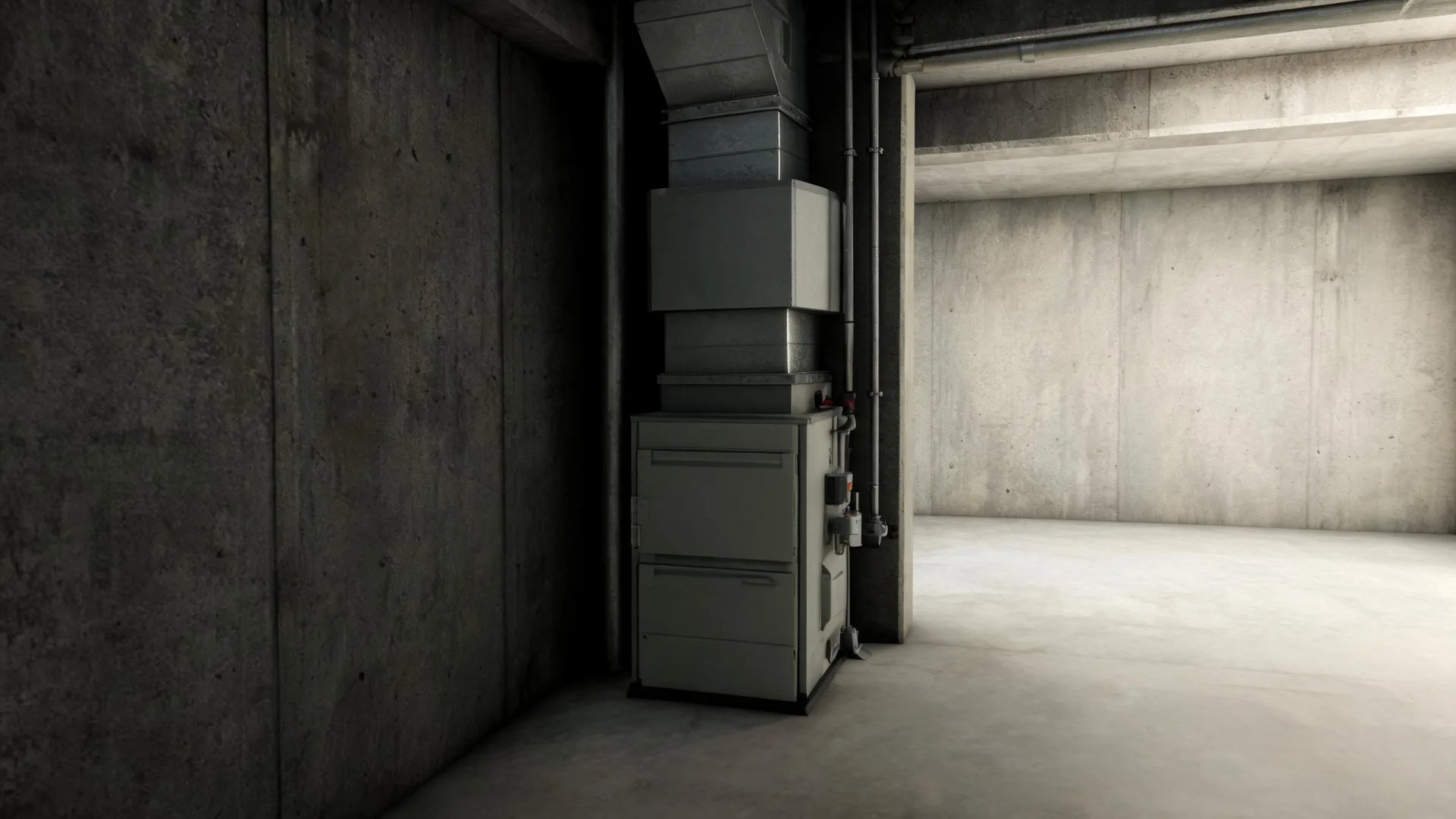
A furnace repair in Ontario County starts with what has been asked of the burner and ignition system, because those are the parts that cycle every time the equipment fires. Homes in Ontario County, NY run heat about eight months a year, from October through May. An igniter that lights and relights across that span accumulates stress that shows up as cracking or erratic starts. The heat exchanger takes the same load. A contractor quoting a repair here checks those components first, before looking at controls or motors, because that is where failure concentrates on a system with this kind of runtime behind it.
Furnaces in houses this old accumulate repair histories. Half the homes in Ontario County, New York were built in 1976 or earlier (2020-2024 ACS 5-year). A system running in stock of that vintage has likely been patched, repiped, and retrofitted by multiple contractors over the decades since the building went up, and when a contractor opens the unit now, what they find in the heat exchanger and flue connections reflects that entire run of prior work. Parts availability for older furnace configurations varies by manufacturer and model, so what the opened system actually contains determines whether a repair is a parts order or a conversation about what comes next.
The Parts of a Furnace a Contractor Checks First
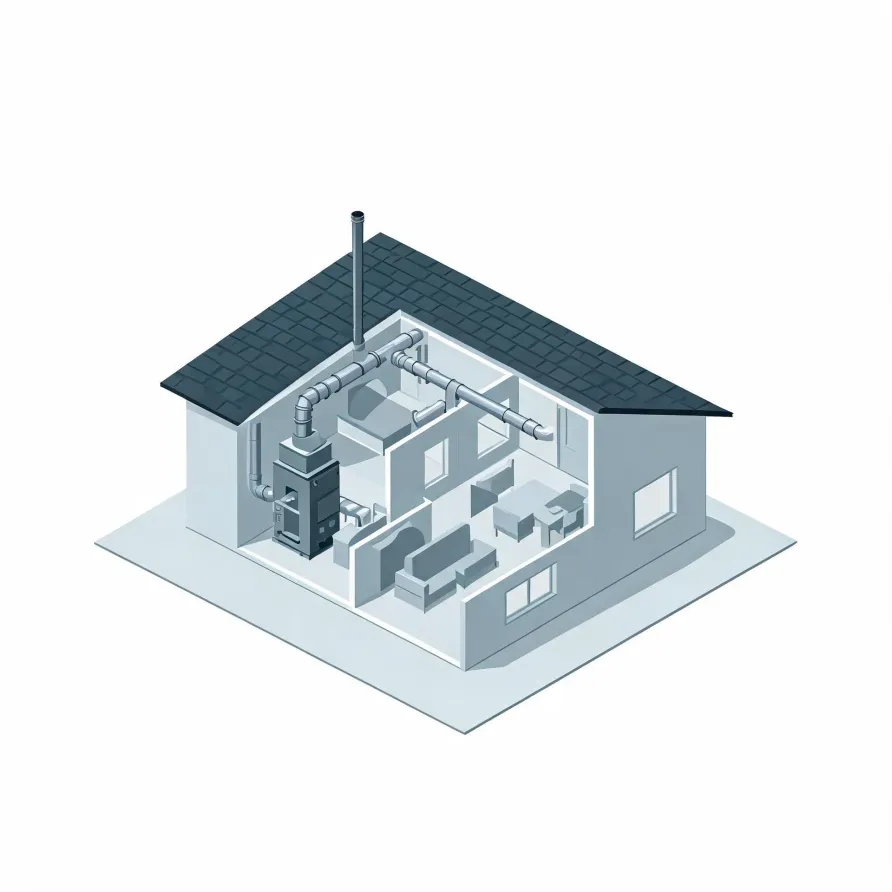
The heat exchanger sits at the heart of the furnace cabinet in the basement or utility room, and it is the piece a contractor looks at closely when the system is producing symptoms like uneven heat or strange smells. The burners fire inside it, and cracks or buildup there can throw off the whole system. The blower motor sits just below, and when it fails the air simply stops moving.
The igniter and flame sensor work together near the burner assembly, and either one can cause the furnace to cycle on and off without producing heat. The flue pipe runs from the top of the cabinet up and out of the house, and blockages or damage there affect both performance and safety. The control board ties all of it together and is often where a contractor looks when no single component shows obvious wear.
The drawing shows a general furnace layout, and a licensed contractor determines which parts apply to the specific system in your home.
Get matched in Ontario CountyOntario County, NY, by the numbers
225 severe weather events were recorded in Ontario County, New York between 2015 and 2024.
NOAA National Centers for Environmental Information, Storm Events Database, bulk CSV export, events 2015-01-01 through 2024-12-31.Half the homes in Ontario County, New York were built in 1976 or earlier (2020-2024 ACS 5-year).
U.S. Census Bureau, 2020-2024 American Community Survey 5-Year EstimatesOntario County, New York holds 53,379 housing units (2020-2024 ACS 5-year).
U.S. Census Bureau, 2020-2024 American Community Survey 5-Year EstimatesOwners occupy 73.7% of the occupied homes in Ontario County, New York (2020-2024 ACS 5-year).
U.S. Census Bureau, 2020-2024 American Community Survey 5-Year EstimatesCodes & Standards Governing Furnace Repair in Ontario County, New York4 sourced rules and standards
What happens when the contractor comes out
Non-weatherized gas furnaces manufactured on or after November 19, 2015 must reach 80.0 percent AFUE.
Non-weatherized oil-fired furnaces manufactured on or after November 19, 2015 must reach 83.0 percent AFUE.
Mobile home gas furnaces manufactured on or after November 19, 2015 must reach 80.0 percent AFUE.
Non-weatherized gas furnaces manufactured on or after December 18, 2028 must reach 95.0 percent AFUE, up from the 80.0 percent minimum that applies to units manufactured before that date.
Severe Weather Events in Ontario County, Year by Year
Extreme weather puts real stress on heating equipment, and furnaces that work hardest under harsh conditions are the ones most likely to need repair. How often that pressure arrives is a local fact, and the data below reflects what Ontario County has actually recorded.
225 severe weather events, 2015–2024. Source: NOAA National Centers for Environmental Information, Storm Events Database.