Tell us about the job
Takes about a minute. No obligation.
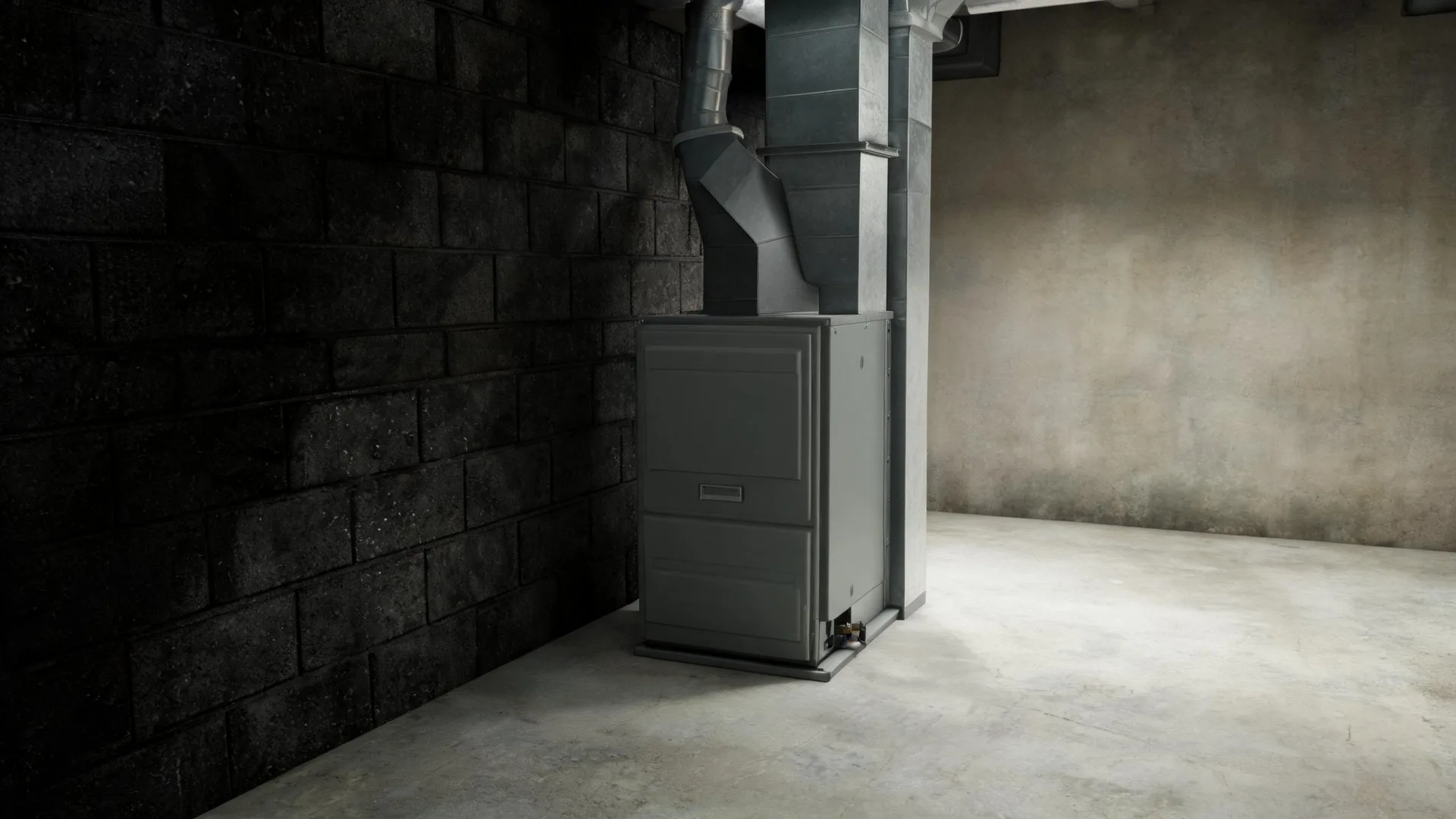
A contractor quoting furnace repair in Franklin County works through the components that carry the real load: the heat exchanger, the burner assembly, and the ignition system. Homes in Franklin County, NY run heat about nine months a year, from September through May. Cycling that many times across a long heating stretch stresses the heat exchanger at its welds and joints, and cracks there are what a contractor looks for before anything else. The igniter and flame sensor wear in step with burner cycles, and both tend to fail well before the cabinet or the blower shows any trouble.
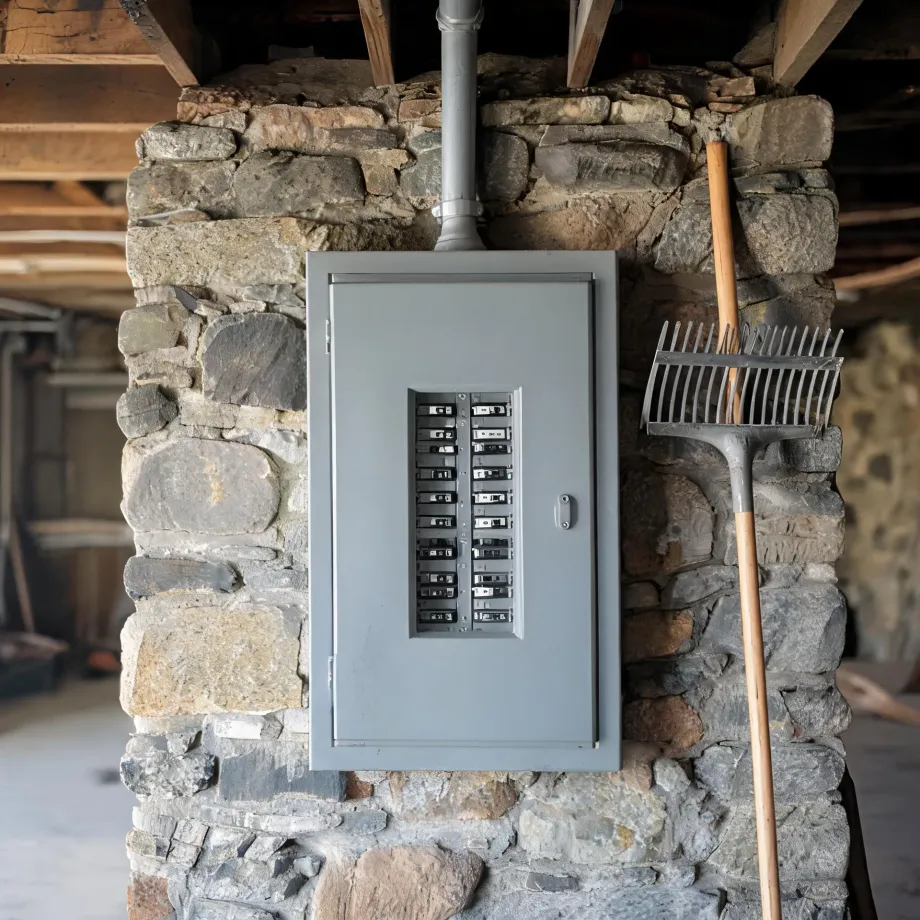
Furnace parts availability is decided long before a contractor opens a panel. Half the homes in Franklin County, New York were built in 1967 or earlier (2020-2024 ACS 5-year). A furnace running in a house from that era was likely installed well after the house itself was built, which means the unit's age and the building's age are separate questions, but the parts a system of that vintage requires may no longer be in regular production. What a contractor finds once the heat exchanger, burner assembly, or control board is out determines whether the repair stays straightforward or becomes a search for components that are hard to source.
The Parts of a Furnace a Contractor Checks First
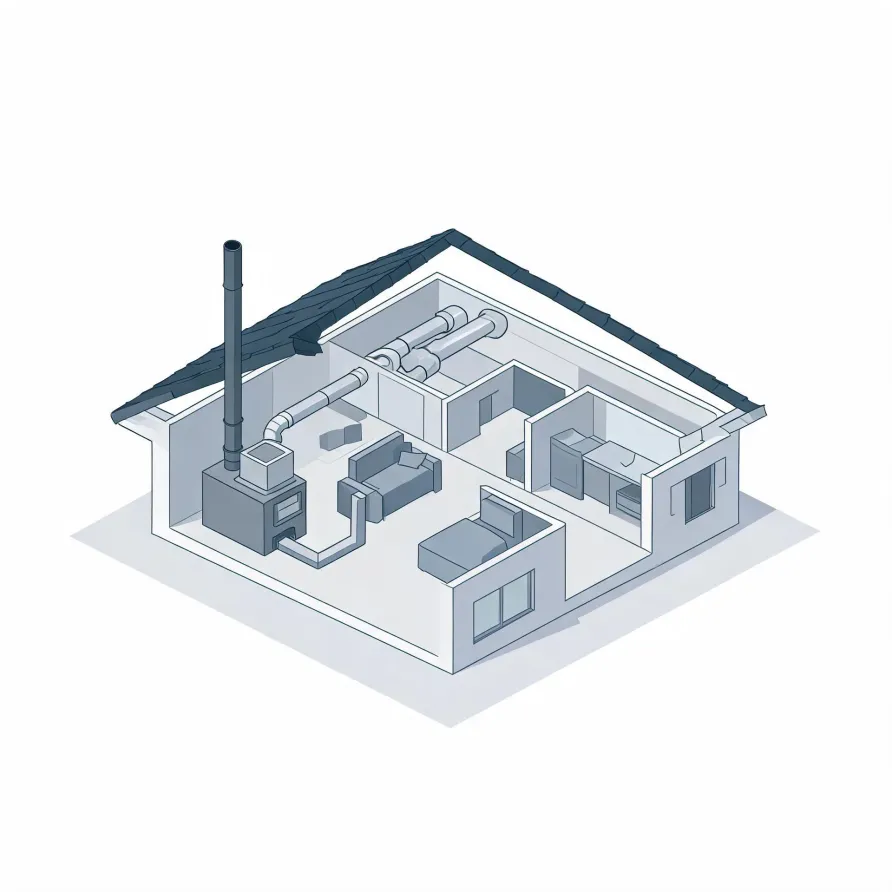
The heat exchanger sits at the center of the furnace cabinet and is where a contractor starts when something has gone wrong. Cracks or corrosion here are serious, since the exchanger separates combustion gases from the air that moves through your home. The burners sit just below it and are the first thing a contractor looks at when the furnace is not producing heat at all.
The blower motor and its fan wheel sit in the lower half of the cabinet and push conditioned air out into the house. The inducer motor pulls exhaust gases out before each heating cycle and is a common source of startup failures. The control board, mounted inside the cabinet, runs the sequence between all of these parts and gives a contractor the error codes that point toward the failing piece.
The drawing shows a representative furnace layout, and a licensed contractor determines which components apply to your specific system and situation.
Get matched in Franklin CountyFranklin County, by the numbers
140 severe weather events were recorded in Franklin County, New York between 2015 and 2024.
NOAA National Centers for Environmental Information, Storm Events Database, bulk CSV export, events 2015-01-01 through 2024-12-31.Half the homes in Franklin County, New York were built in 1967 or earlier (2020-2024 ACS 5-year).
U.S. Census Bureau, 2020-2024 American Community Survey 5-Year EstimatesFranklin County, New York holds 25,494 housing units (2020-2024 ACS 5-year).
U.S. Census Bureau, 2020-2024 American Community Survey 5-Year EstimatesOwners occupy 72.5% of the occupied homes in Franklin County, New York (2020-2024 ACS 5-year).
U.S. Census Bureau, 2020-2024 American Community Survey 5-Year EstimatesFurnace & HVAC Repair Rules on the Books for Franklin County, New York4 codes, standards & laws
What HVAC Repair Looks Like in Franklin County
Non-weatherized gas furnaces manufactured on or after November 19, 2015 must reach 80.0 percent AFUE.
Non-weatherized oil-fired furnaces manufactured on or after November 19, 2015 must reach 83.0 percent AFUE.
Mobile home gas furnaces manufactured on or after November 19, 2015 must reach 80.0 percent AFUE.
Non-weatherized gas furnaces manufactured on or after December 18, 2028 must reach 95.0 percent AFUE, up from the 80.0 percent minimum that applies to units manufactured before that date.
Severe Weather Events in Franklin County
Franklin County's climate puts real stress on furnace equipment, and that stress shows up in repair demand. Understanding the local weather record helps explain why heating systems here work as hard as they do.
140 severe weather events, 2015–2024. Source: NOAA National Centers for Environmental Information, Storm Events Database.