Tell us about the job
Takes about a minute. No obligation.
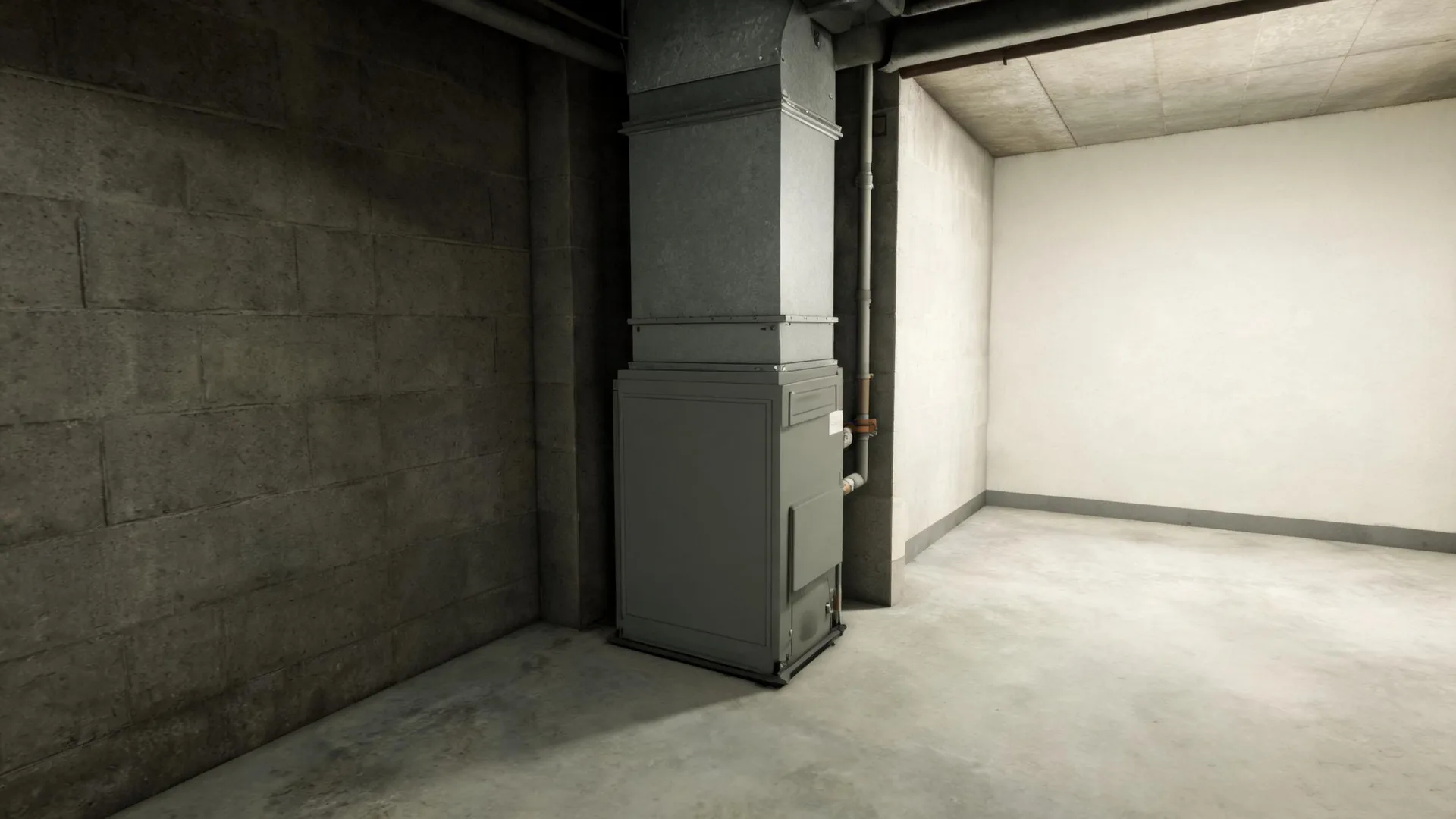
A furnace repair in New York County starts with the burner assembly and heat exchanger, because those are the parts that cycle hardest and fail first. Homes in New York County, NY run heat about seven months a year, from October through April. Each time the system fires and shuts down, the heat exchanger flexes slightly from thermal expansion. Do that across a long heating season, year after year, and cracks form at the stress points, carbon builds on the burner ports, and the ignition system starts misfiring under load. A contractor here checks those components before quoting anything else.
Prewar construction makes up a large share of what contractors open here, and the service histories inside those furnaces tend to be long. Half the homes in New York County, New York were built in 1951 or earlier (2020-2024 ACS 5-year). A unit that has run through that many heating seasons will often show a heat exchanger that has cycled past its rated tolerance, or burner components whose replacement parts a supplier has to source rather than pull from stock. That parts availability question is what stretches a straightforward repair into a longer job, and it comes up on a quote before any other variable does.
The Parts of a Furnace a Contractor Checks First
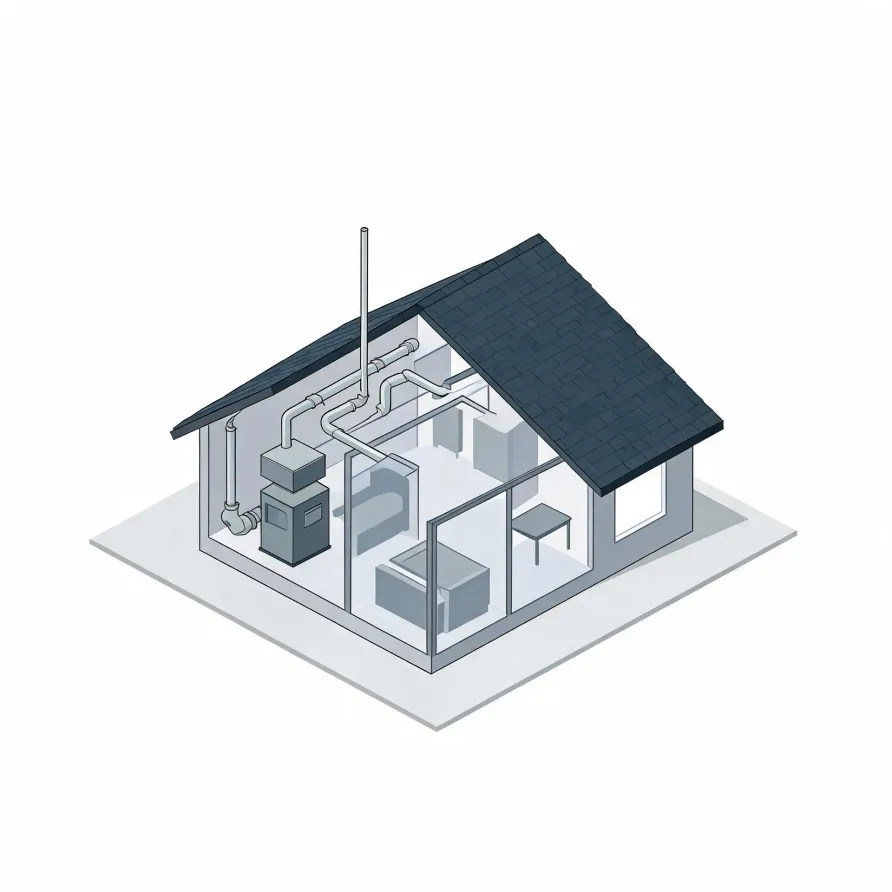
The heat exchanger sits at the heart of the furnace cabinet in the basement or utility room. It is the piece that transfers heat to your air, and when it cracks or corrodes, the furnace either runs poorly or shuts itself down as a safety measure. The burner assembly sits just below it, and a contractor will check both early.
The blower motor and its fan wheel pull air across the heat exchanger and push it toward your rooms. The control board, mounted inside the cabinet, tells every other component when to run. The igniter and flame sensor work together at the burner, and either one failing is a common reason a furnace starts a cycle and then stops cold.
The drawing shows the general layout of a furnace system, and a licensed contractor determines which parts apply and what needs attention in your specific home.
Get matched in New York CountyNew York County, by the numbers
52 severe weather events were recorded in New York County, New York between 2015 and 2024.
NOAA National Centers for Environmental Information, Storm Events Database, bulk CSV export, events 2015-01-01 through 2024-12-31.Half the homes in New York County, New York were built in 1951 or earlier (2020-2024 ACS 5-year).
U.S. Census Bureau, 2020-2024 American Community Survey 5-Year EstimatesNew York County, New York holds 923,472 housing units (2020-2024 ACS 5-year).
U.S. Census Bureau, 2020-2024 American Community Survey 5-Year EstimatesOwners occupy 25.1% of the occupied homes in New York County, New York (2020-2024 ACS 5-year).
U.S. Census Bureau, 2020-2024 American Community Survey 5-Year EstimatesCodes & Standards Covering Furnace Repair in New York County, New York4 sourced rules and standards
What HVAC Repair Looks Like in New York County
Non-weatherized gas furnaces manufactured on or after November 19, 2015 must reach 80.0 percent AFUE.
Non-weatherized oil-fired furnaces manufactured on or after November 19, 2015 must reach 83.0 percent AFUE.
Mobile home gas furnaces manufactured on or after November 19, 2015 must reach 80.0 percent AFUE.
Non-weatherized gas furnaces manufactured on or after December 18, 2028 must reach 95.0 percent AFUE, up from the 80.0 percent minimum that applies to units manufactured before that date.
Severe Weather Events in New York County
Hard weather puts real strain on furnace components, and how often that strain hits depends entirely on where the equipment runs. That workload shapes what breaks, how fast, and what a repair in New York County actually involves.
52 severe weather events, 2015–2024. Source: NOAA National Centers for Environmental Information, Storm Events Database.