Tell us about the job
Takes about a minute. No obligation.
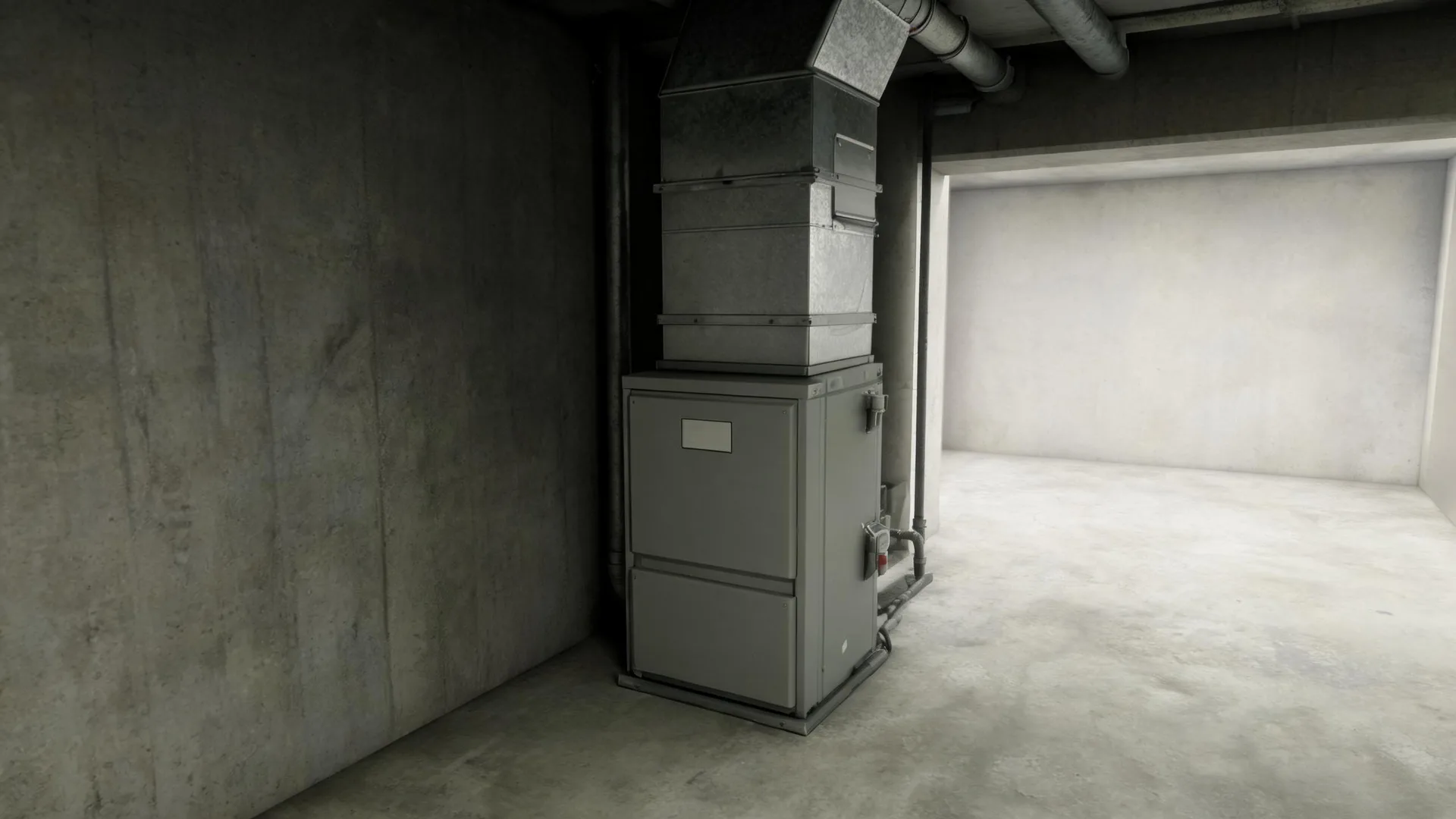
A furnace repair in St. Lawrence County starts with what the burner and heat exchanger have been through. Homes in St. Lawrence County, NY run heat about nine months a year, from September through May. That kind of extended runtime stacks firing cycles on the ignition system and the heat exchanger at a pace that pushes both toward failure well before a homeowner notices a problem. Cracks in a heat exchanger or a worn igniter are the first things a contractor checks, because those parts absorb the load every season brings.
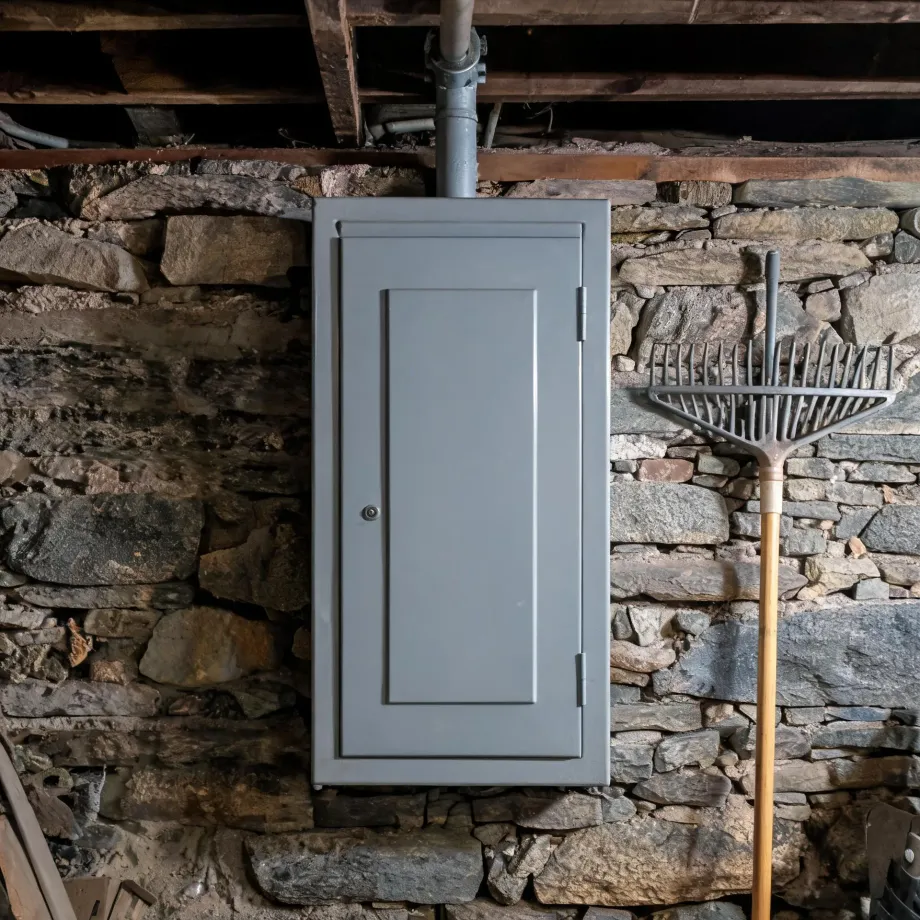
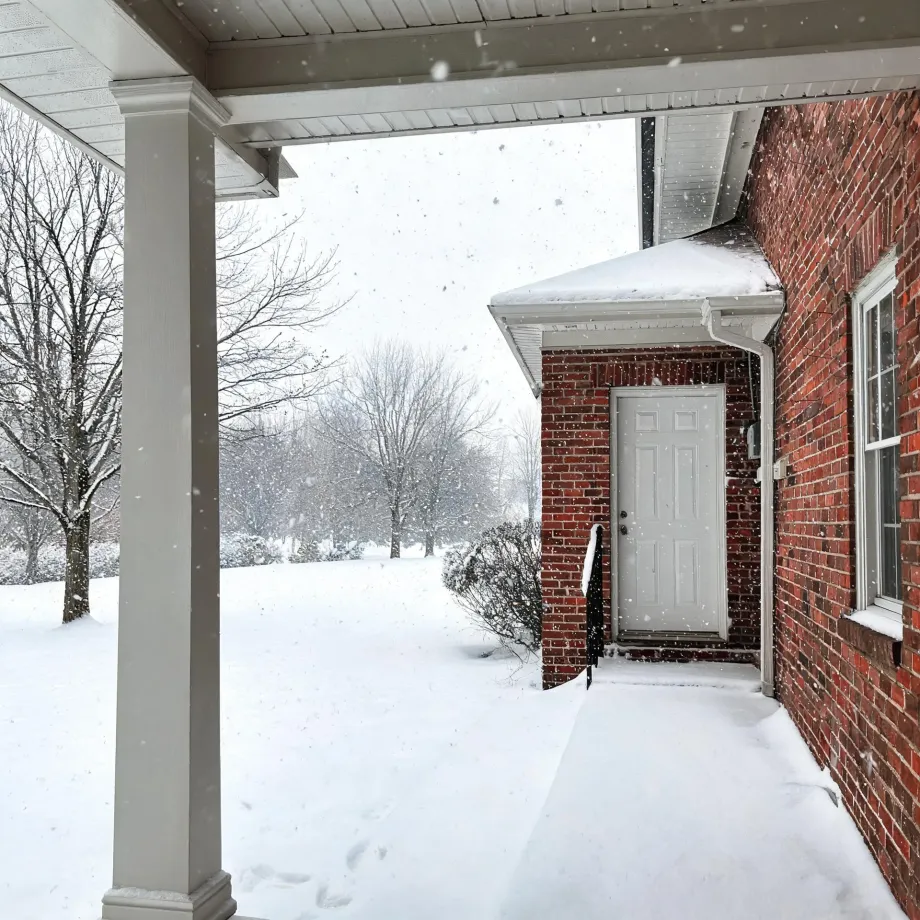
Furnace repair in housing this old runs into a specific wall: the opened unit reveals what it actually takes to finish the job, and parts for systems of this vintage are not always in circulation. Half the homes in St. Lawrence County, New York were built in 1964 or earlier (2020-2024 ACS 5-year). That gap between when these houses were built and when current equipment was put in them means a repair quote can shift once a contractor pulls the panel and identifies what is actually inside. Heat exchanger sections, draft inducer motors, and control boards from that era of furnace are frequently obsolete, and a contractor working here prices the sourced component before committing to a scope.
The Parts of a Furnace a Contractor Checks First
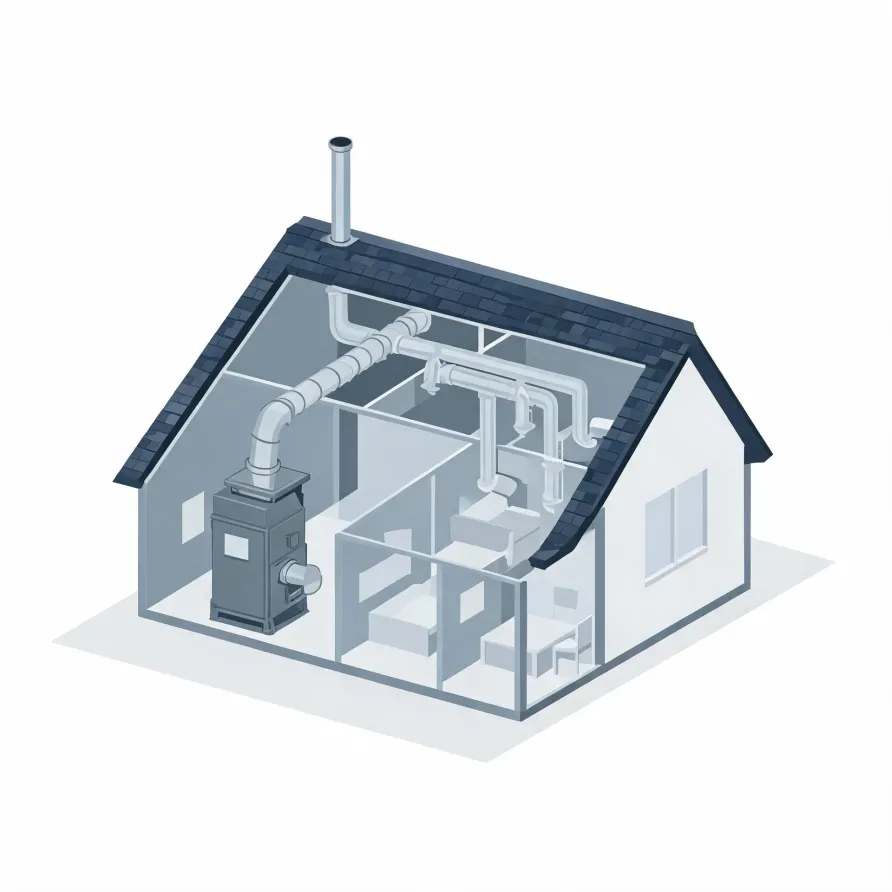
The heat exchanger sits at the core of the furnace cabinet and is the piece a contractor looks at closely when something is wrong. Cracks or warping there mean the burner's combustion gases are not safely contained. The burner assembly itself, just below, is where the fuel ignites, and a dirty or failing burner shows up as uneven flames, short-cycling, or a furnace that won't light at all.
The blower motor and fan sit in the lower half of the cabinet and push conditioned air out into the supply ducts. When that motor is struggling, rooms go cold even while the burner is running. The flue pipe runs from the top of the cabinet up through the house and out, carrying exhaust away, and a blockage or breach there is often what triggers a furnace to shut itself down as a safety measure.
The drawing shows a typical furnace layout, and a licensed contractor will determine which components apply to the specific system in your home.
Get matched in St. Lawrence CountySt. Lawrence County, by the numbers
222 severe weather events were recorded in St. Lawrence County, New York between 2015 and 2024.
NOAA National Centers for Environmental Information, Storm Events Database, bulk CSV export, events 2015-01-01 through 2024-12-31.Half the homes in St. Lawrence County, New York were built in 1964 or earlier (2020-2024 ACS 5-year).
U.S. Census Bureau, 2020-2024 American Community Survey 5-Year EstimatesSt. Lawrence County, New York holds 51,970 housing units (2020-2024 ACS 5-year).
U.S. Census Bureau, 2020-2024 American Community Survey 5-Year EstimatesOwners occupy 71.9% of the occupied homes in St. Lawrence County, New York (2020-2024 ACS 5-year).
U.S. Census Bureau, 2020-2024 American Community Survey 5-Year EstimatesCodes & Standards Behind Furnace Repair in St. Lawrence County, New York4 sourced rules & standards
What HVAC Repair Looks Like in St. Lawrence County
Non-weatherized gas furnaces manufactured on or after November 19, 2015 must reach 80.0 percent AFUE.
Non-weatherized oil-fired furnaces manufactured on or after November 19, 2015 must reach 83.0 percent AFUE.
Mobile home gas furnaces manufactured on or after November 19, 2015 must reach 80.0 percent AFUE.
Non-weatherized gas furnaces manufactured on or after December 18, 2028 must reach 95.0 percent AFUE, up from the 80.0 percent minimum that applies to units manufactured before that date.
Severe Weather Events in St. Lawrence County
Heating equipment in St. Lawrence County works against whatever the local climate delivers, and storm activity is part of that load. The repair picture here is shaped by local conditions, which is why a contractor who knows this area reads the job differently than one who does not.
222 severe weather events, 2015–2024. Source: NOAA National Centers for Environmental Information, Storm Events Database.