Tell us about the job
Takes about a minute. No obligation.
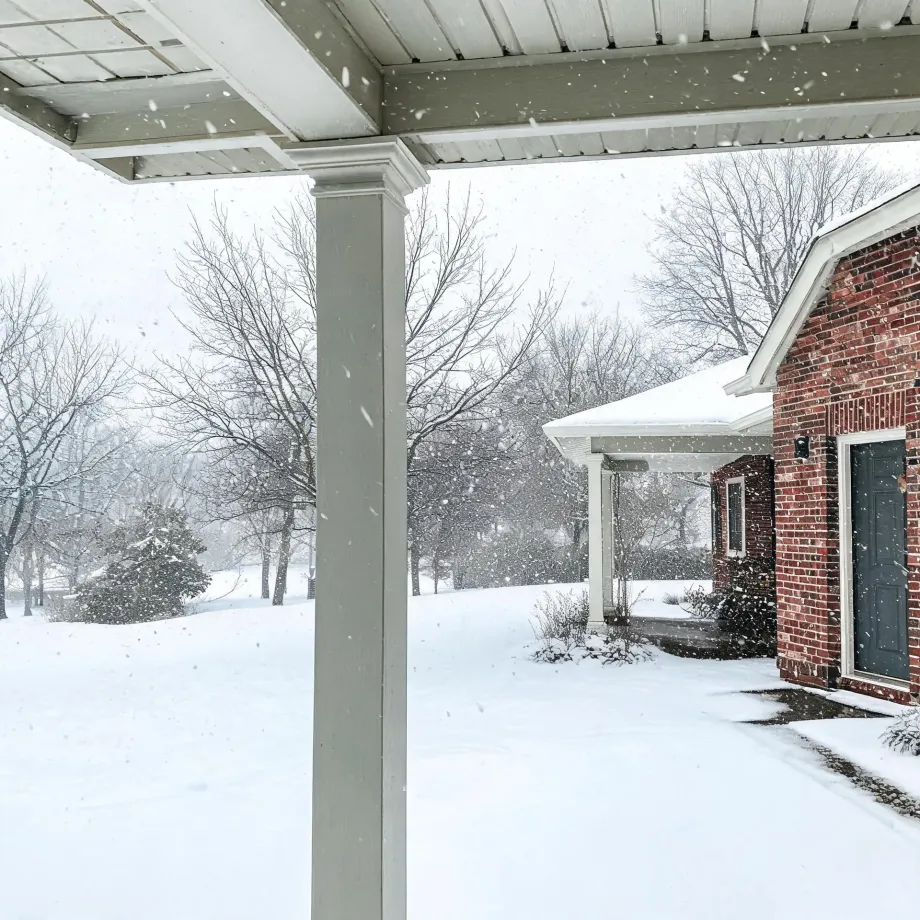
A contractor called out for a furnace repair here starts with the burner assembly and the heat exchanger, not because those are generic first stops, but because those are the parts that have been cycling the longest. Homes in Sullivan County, NY run heat about nine months a year, from September through May. The ignition system fires and rests, fires and rests, across that span, and the cumulative stress shows in cracked igniters, worn flame sensors, and heat exchanger fatigue. A furnace that has logged that kind of service hours gives a contractor a short list of parts to open first.
Furnaces in stock this old are rarely running the equipment they were built around. The original heating setup has been replaced at least once, sometimes more, and what a contractor opens may be a unit whose parts are no longer in production. Half the homes in Sullivan County, New York were built in 1974 or earlier (2020-2024 ACS 5-year). That gap between the building and the equipment now inside it is where a repair job gets complicated: a contractor who can diagnose the fault still has to source the part, and for equipment of that generation, availability is the variable that determines whether a repair closes the job or tips it toward replacement.
The Parts of a Furnace a Contractor Checks First
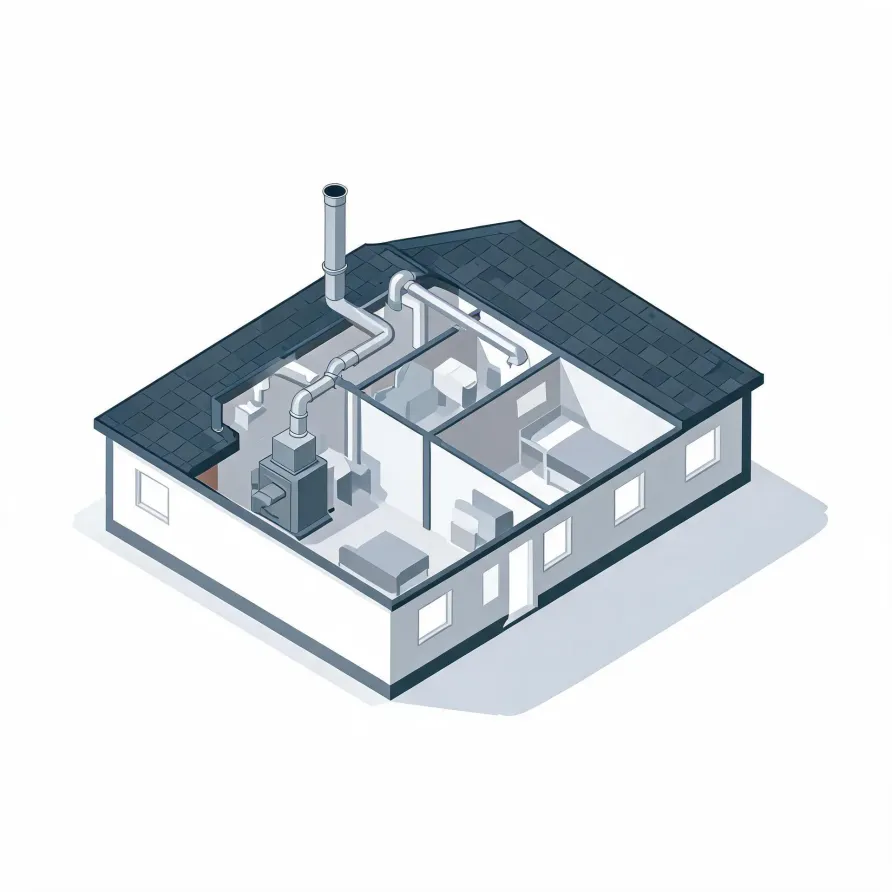
The heat exchanger sits at the core of the furnace cabinet in your basement, utility room, or closet, and it is the surface that warms the air your home breathes. When a furnace runs but fails to heat, or when it trips the limit switch and shuts off early, the heat exchanger and the burners feeding it are where a contractor looks first.
The blower motor sits below the heat exchanger and pushes conditioned air out through the supply side of your duct system. The flue and draft inducer run from the top of the cabinet to the outside and pull combustion gases out of the house. The control board and the gas valve tie everything together, and either one can stop the whole system when it faults.
The drawing shows a typical furnace layout, and a licensed contractor determines which components apply to your specific system and situation.
Get matched in Sullivan CountySullivan County, by the numbers
185 severe weather events were recorded in Sullivan County, New York between 2015 and 2024.
NOAA National Centers for Environmental Information, Storm Events Database, bulk CSV export, events 2015-01-01 through 2024-12-31.Half the homes in Sullivan County, New York were built in 1974 or earlier (2020-2024 ACS 5-year).
U.S. Census Bureau, 2020-2024 American Community Survey 5-Year EstimatesSullivan County, New York holds 49,994 housing units (2020-2024 ACS 5-year).
U.S. Census Bureau, 2020-2024 American Community Survey 5-Year EstimatesOwners occupy 67.4% of the occupied homes in Sullivan County, New York (2020-2024 ACS 5-year).
U.S. Census Bureau, 2020-2024 American Community Survey 5-Year EstimatesFurnace & HVAC Repair Rules on the Books for Sullivan County, New York4 sourced standards & codes
What HVAC Repair Looks Like in Sullivan County
Non-weatherized gas furnaces manufactured on or after November 19, 2015 must reach 80.0 percent AFUE.
Non-weatherized oil-fired furnaces manufactured on or after November 19, 2015 must reach 83.0 percent AFUE.
Mobile home gas furnaces manufactured on or after November 19, 2015 must reach 80.0 percent AFUE.
Non-weatherized gas furnaces manufactured on or after December 18, 2028 must reach 95.0 percent AFUE, up from the 80.0 percent minimum that applies to units manufactured before that date.
Severe Weather Events in Sullivan County
Heating equipment works harder and wears faster when the weather makes demands on it. How often those demands hit Sullivan County shapes what local furnaces go through and what repair needs look like here.
185 severe weather events, 2015–2024. Source: NOAA National Centers for Environmental Information, Storm Events Database.