Tell us about the job
Takes about a minute. No obligation.
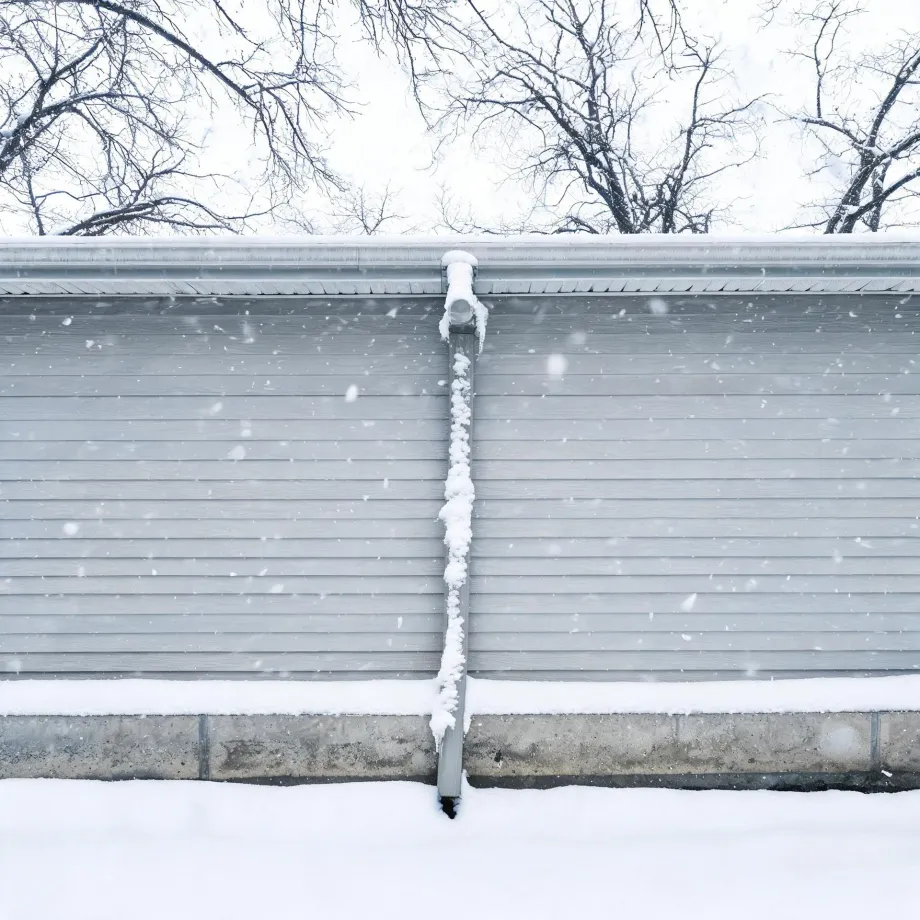
The burner and ignition system on a furnace here cycle hard. Homes in Chenango County, NY run heat about nine months a year, from September through May. That much running time concentrates wear on the parts that fire and re-fire all winter, and a contractor pulling a service call in this county checks the heat exchanger, the igniter, and the burner assembly first, because those are the components that have been working longest and fail most visibly under load. A furnace that has been undersized or poorly vented shows cracks and carbon traces that a contractor can read directly.
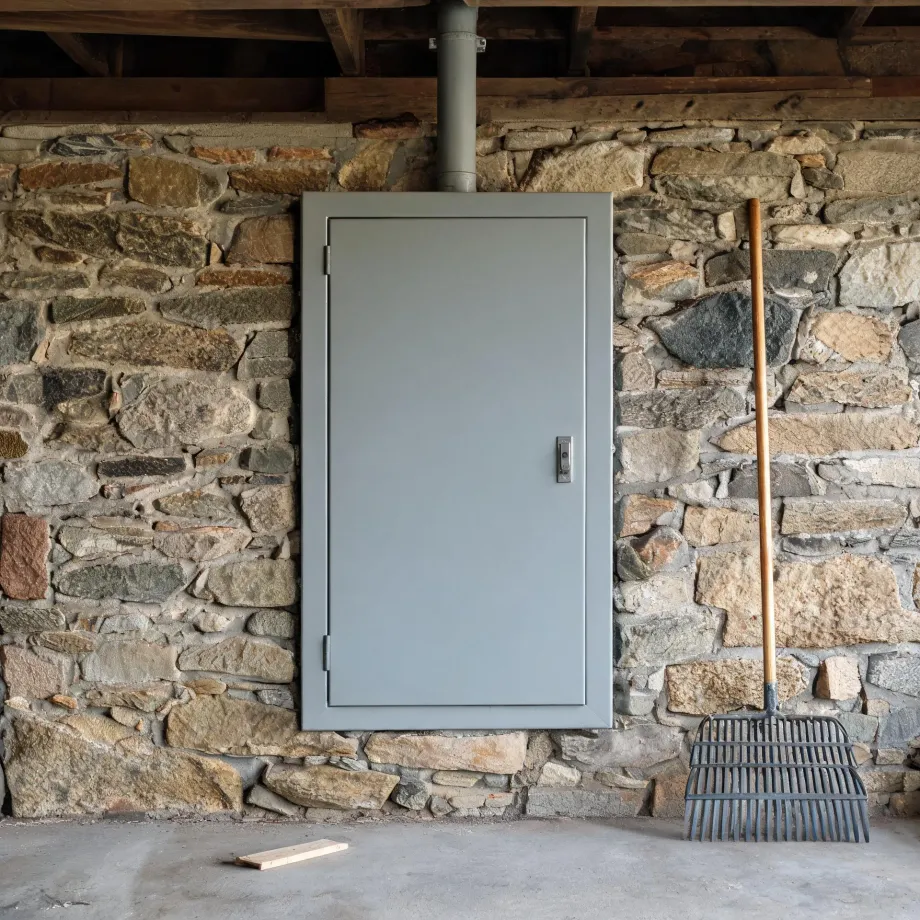
Furnaces in houses that have housed several different heating systems over the decades accumulate a particular kind of repair problem: the components inside reflect decisions made at different points, by different contractors, for different equipment. Half the homes in Chenango County, New York were built in 1967 or earlier (2020-2024 ACS 5-year). A technician opening a furnace here finds heat exchangers, controls, or venting that were fitted to whatever came before, not necessarily to what is running now. That mismatch is where the diagnostic work concentrates, and it is also what determines whether a part can be sourced or has to be fabricated or substituted again.
The Parts of a Furnace a Contractor Checks First
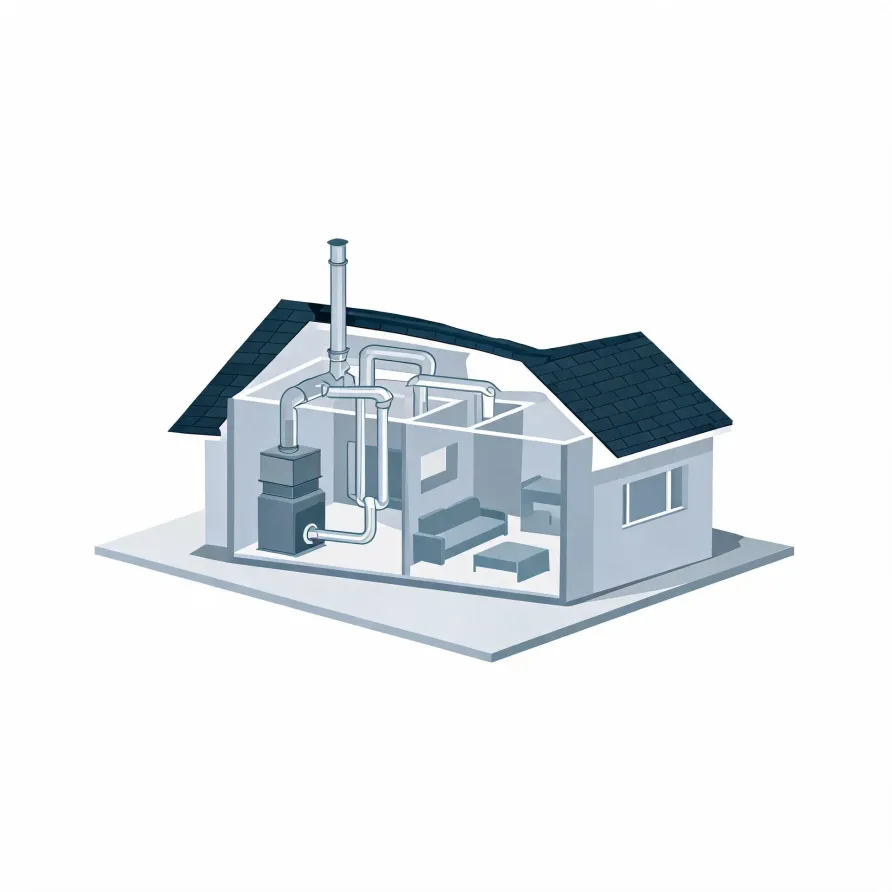
The heat exchanger sits inside the furnace cabinet, usually in a basement, utility closet, or mechanical room, and it is the wall that separates combustion gases from the air your family breathes. A crack or hole there is a serious fault. The burners sit just below it and are the first stop when a furnace fails to produce heat.
The blower motor and its fan wheel push conditioned air out through the supply plenum and into the duct system. The inducer motor pulls combustion gases out through the flue. The control board ties all of it together, reading signals from the thermostat and telling each component when to run.
The drawing shows a typical furnace layout, and a licensed contractor determines which parts apply to the specific equipment and setup in your home.
Get matched in Chenango CountyChenango County by the Numbers
117 severe weather events were recorded in Chenango County, New York between 2015 and 2024.
NOAA National Centers for Environmental Information, Storm Events Database, bulk CSV export, events 2015-01-01 through 2024-12-31.Half the homes in Chenango County, New York were built in 1967 or earlier (2020-2024 ACS 5-year).
U.S. Census Bureau, 2020-2024 American Community Survey 5-Year EstimatesChenango County, New York holds 24,586 housing units (2020-2024 ACS 5-year).
U.S. Census Bureau, 2020-2024 American Community Survey 5-Year EstimatesOwners occupy 75.4% of the occupied homes in Chenango County, New York (2020-2024 ACS 5-year).
U.S. Census Bureau, 2020-2024 American Community Survey 5-Year EstimatesCodes & Standards Behind Furnace Repair in Chenango County, New York4 sourced rules & standards
What HVAC Repair Looks Like in Chenango County
Non-weatherized gas furnaces manufactured on or after November 19, 2015 must reach 80.0 percent AFUE.
Non-weatherized oil-fired furnaces manufactured on or after November 19, 2015 must reach 83.0 percent AFUE.
Mobile home gas furnaces manufactured on or after November 19, 2015 must reach 80.0 percent AFUE.
Non-weatherized gas furnaces manufactured on or after December 18, 2028 must reach 95.0 percent AFUE, up from the 80.0 percent minimum that applies to units manufactured before that date.
Severe Weather Events in Chenango County
Weather puts direct strain on heating equipment, and Chenango County has its own pattern of it. A furnace that runs hard through rough conditions is one that earns its maintenance.
117 severe weather events, 2015–2024. Source: NOAA National Centers for Environmental Information, Storm Events Database.