Tell us about the job
Takes about a minute. No obligation.
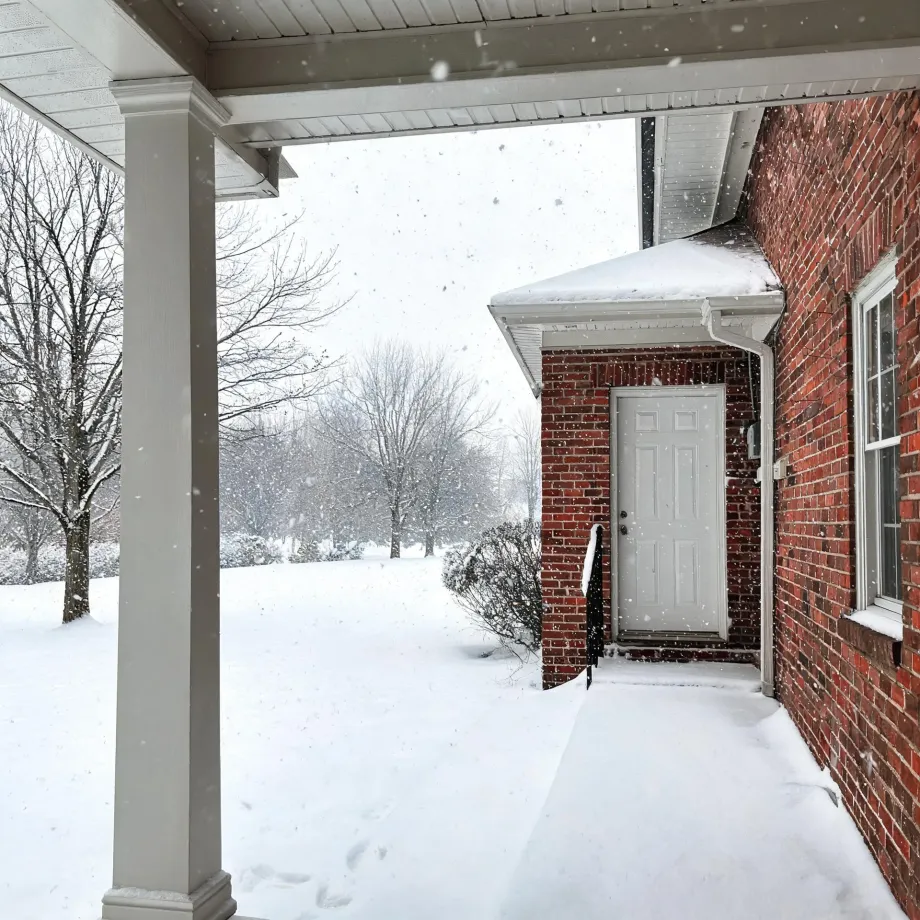
Furnace repairs here start with the parts that cycle hardest: the burner, the heat exchanger, and the ignition system. Homes in Dutchess County, NY run heat about eight months a year, from October through May. A furnace running that long accumulates wear on those cycling components faster than on anything else, and a contractor diagnosing a failure will check them before looking at controls or secondary parts. Cracks in the heat exchanger, a fouled burner, or a weakened igniter are common findings precisely because the heating season in this county is long, not incidental to the appliance's age.
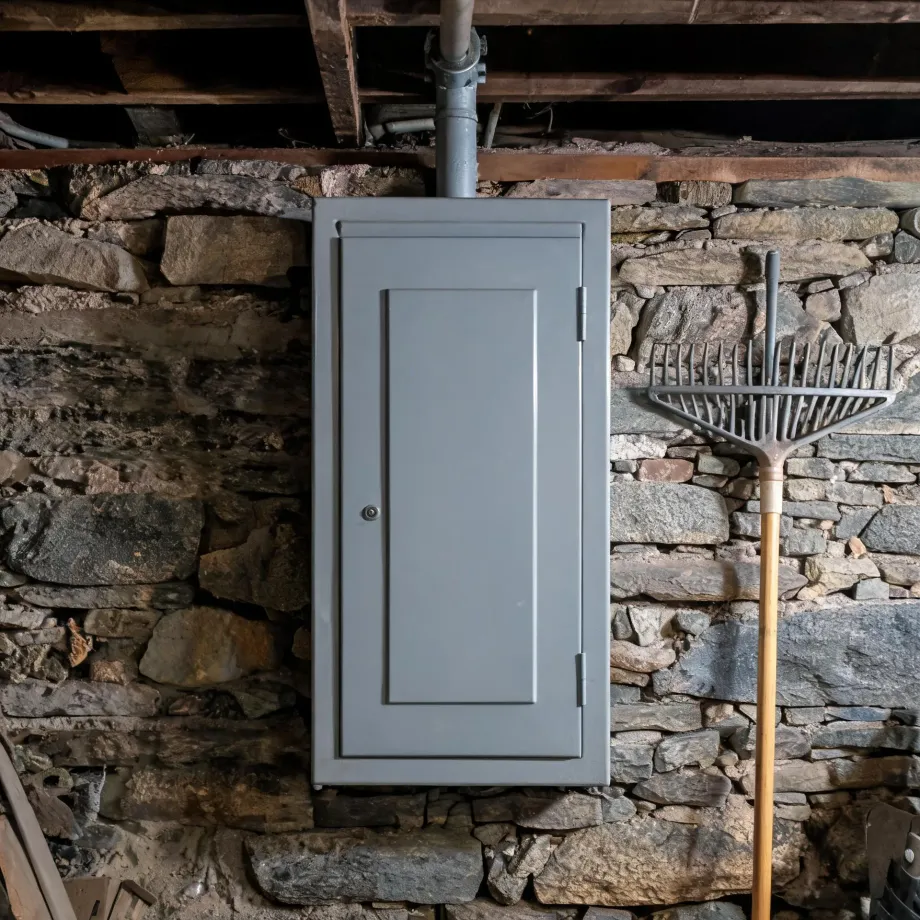
Furnaces in older homes carry a record of every repair and workaround that preceded this one. Half the homes in Dutchess County, New York were built in 1971 or earlier (2020-2024 ACS 5-year). That means a contractor opening a cabinet here finds components that have been cleaned, patched, or swapped out before, and the condition of what is left decides what the repair actually is. A cracked heat exchanger in a system that has already had secondary work may resolve as a straightforward part swap, or it may reveal that adjacent components absorbed stress the replaced part used to share. The opened unit answers that question. Nothing outside it does.
The Parts of a Furnace a Contractor Checks First
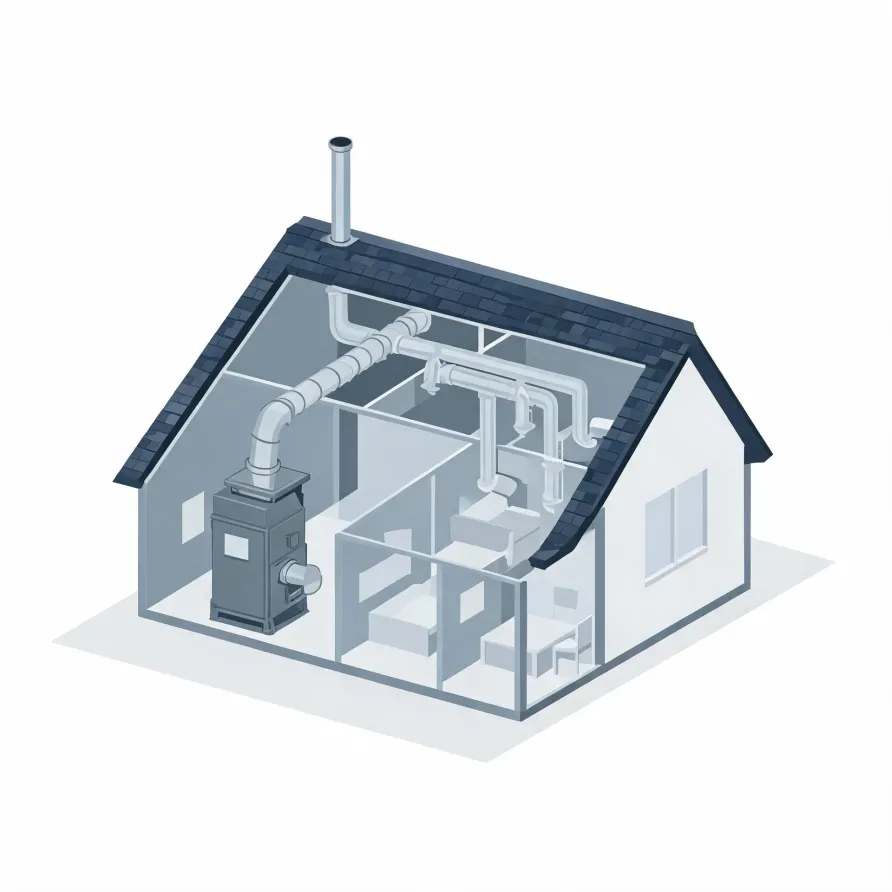
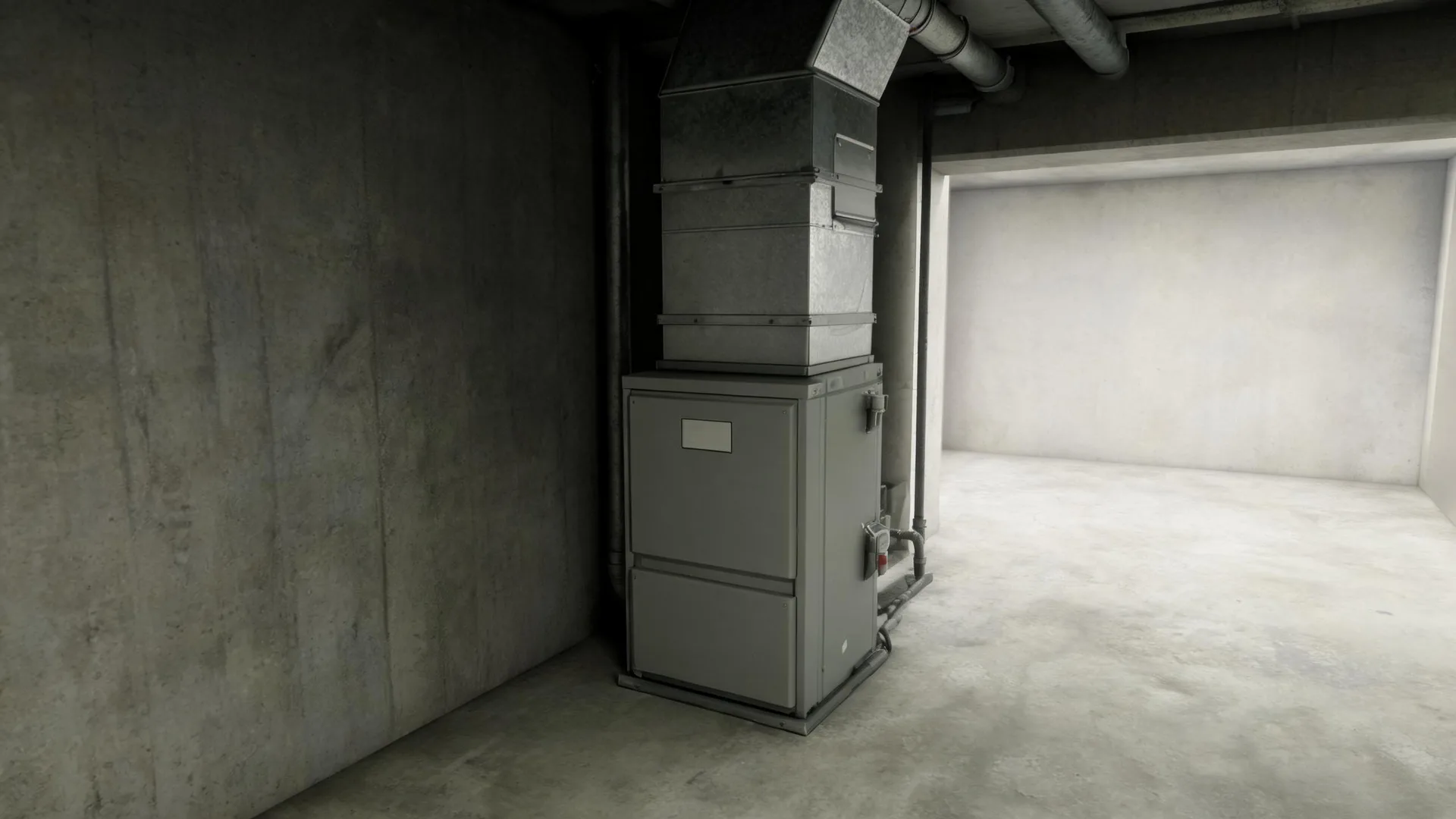
The furnace itself sits in a basement, utility room, or closet and is the piece a contractor goes to first. Inside it, the heat exchanger and burner assembly are where most failures show up. A cracked heat exchanger, a dirty or failing burner, or a faulty igniter will each stop the system in its own way.
The blower motor moves conditioned air out of the furnace and through the house. The flue or vent pipe carries combustion gases out of the building. The control board ties these pieces together, reading signals from the thermostat and telling each component when to act, so a fault there can look like a fault almost anywhere else.
The drawing shows a typical furnace layout, and a licensed contractor will determine which components apply to your specific system and what work each one needs.
Get matched in Dutchess CountyDutchess County, by the numbers
396 severe weather events were recorded in Dutchess County, New York between 2015 and 2024.
NOAA National Centers for Environmental Information, Storm Events Database, bulk CSV export, events 2015-01-01 through 2024-12-31.Half the homes in Dutchess County, New York were built in 1971 or earlier (2020-2024 ACS 5-year).
U.S. Census Bureau, 2020-2024 American Community Survey 5-Year EstimatesDutchess County, New York holds 123,169 housing units (2020-2024 ACS 5-year).
U.S. Census Bureau, 2020-2024 American Community Survey 5-Year EstimatesOwners occupy 69.2% of the occupied homes in Dutchess County, New York (2020-2024 ACS 5-year).
U.S. Census Bureau, 2020-2024 American Community Survey 5-Year EstimatesFurnace & HVAC Repair Rules on the Books for Dutchess County, New York4 sourced standards & codes
What Happens When the Contractor Arrives
Non-weatherized gas furnaces manufactured on or after November 19, 2015 must reach 80.0 percent AFUE.
Non-weatherized oil-fired furnaces manufactured on or after November 19, 2015 must reach 83.0 percent AFUE.
Mobile home gas furnaces manufactured on or after November 19, 2015 must reach 80.0 percent AFUE.
Non-weatherized gas furnaces manufactured on or after December 18, 2028 must reach 95.0 percent AFUE, up from the 80.0 percent minimum that applies to units manufactured before that date.
Weather Stress on Heating Equipment in Dutchess County
Furnaces take the hardest hits when outdoor conditions swing hard, and how often that happens here shapes how much wear the equipment accumulates between service calls. That load is a local fact, and it is what licensed contractors in Dutchess County are working against.
396 severe weather events, 2015–2024. Source: NOAA National Centers for Environmental Information, Storm Events Database.