Tell us about the job
Takes about a minute. No obligation.
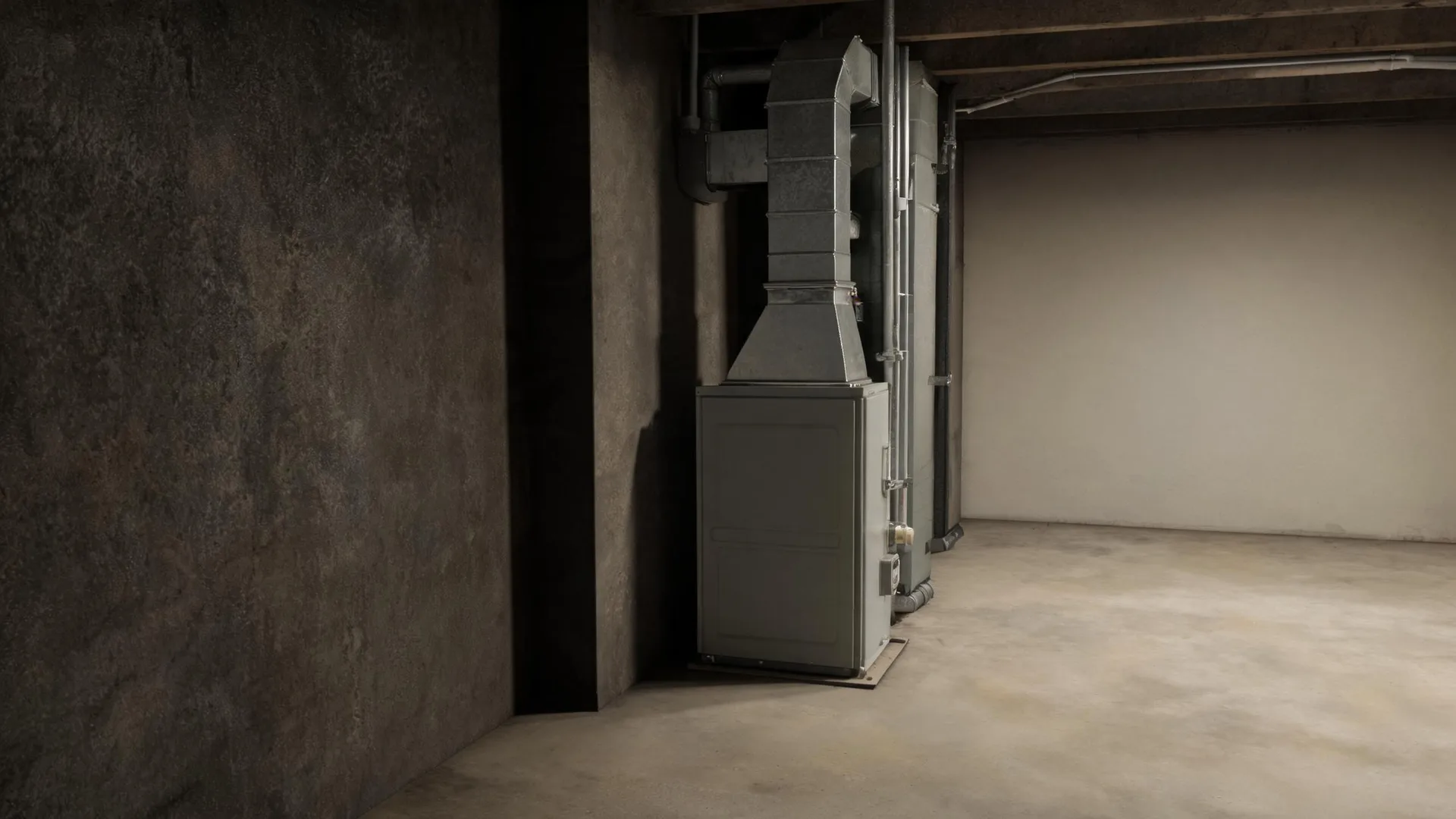
A furnace repair in Queens starts with what the heating season has already done to the burner and the ignition system. Homes in Queens County, NY run heat about seven months a year, from October through April. The heat exchanger cycles on and off through those months, and the ignition system fires every time the thermostat calls for heat. A contractor checking a furnace here pulls the burner assembly and inspects the heat exchanger first, because those are the parts that carry the load. Cracks in the exchanger or a worn igniter are not surprises after a run like this one.
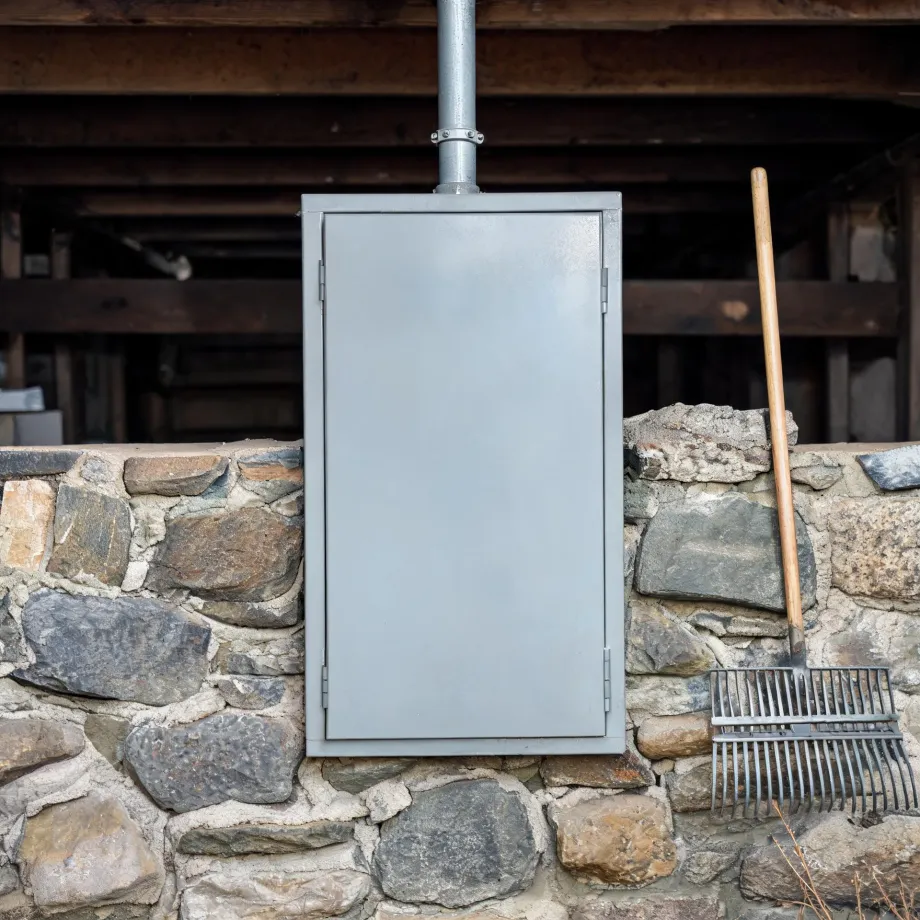
Prewar ductwork was built around equipment that no longer exists, and the furnaces running in these houses were fitted into a structure that was not designed for them. Half the homes in Queens County, New York were built in 1953 or earlier (2020-2024 ACS 5-year). When a furnace is opened in stock like this, what a contractor finds often includes heat exchangers and burner assemblies whose replacement parts have aged out of regular production. That is a different repair scope from a system sitting in purpose-built housing, and it changes what a contractor can source and what a quote reflects.
The Parts of a Furnace a Contractor Checks First
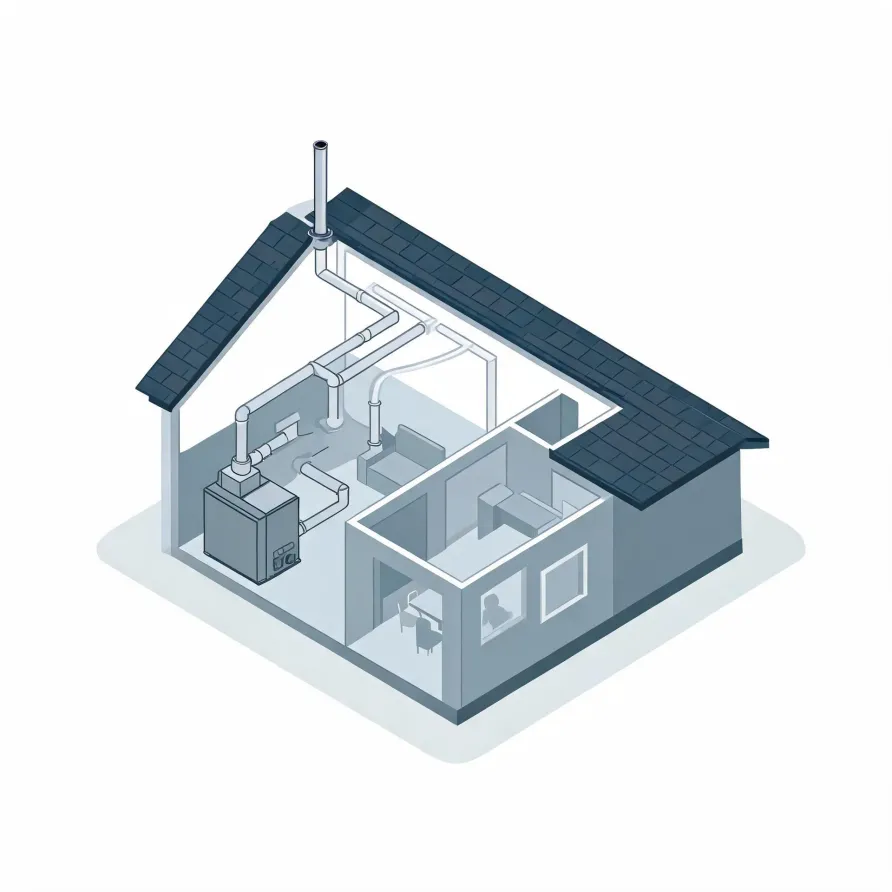
The furnace itself sits in a basement, utility closet, or mechanical room and is the first thing a contractor opens up. Inside it, the heat exchanger is the piece that fails silently and matters most: cracks in it let combustion gases into living air. The burners, the ignitor, and the flame sensor all live in the same cabinet, and any one of them can stop a furnace from lighting or staying lit.
The blower motor sits at the base of the furnace and pushes conditioned air out through the house. The flue pipe runs from the top of the cabinet up and out of the building, and a blockage or a separation there shows up as a safety lockout. The thermostat on the wall is where a contractor often starts, because a wiring fault or a failed sensor there can look exactly like a furnace problem.
The drawing shows a typical furnace layout, and a licensed contractor determines which components apply to your specific system and what work they require.
Get matched in Queens CountyQueens County, by the numbers
161 severe weather events were recorded in Queens County, New York between 2015 and 2024.
NOAA National Centers for Environmental Information, Storm Events Database, bulk CSV export, events 2015-01-01 through 2024-12-31.Half the homes in Queens County, New York were built in 1953 or earlier (2020-2024 ACS 5-year).
U.S. Census Bureau, 2020-2024 American Community Survey 5-Year EstimatesQueens County, New York holds 910,206 housing units (2020-2024 ACS 5-year).
U.S. Census Bureau, 2020-2024 American Community Survey 5-Year EstimatesOwners occupy 44.9% of the occupied homes in Queens County, New York (2020-2024 ACS 5-year).
U.S. Census Bureau, 2020-2024 American Community Survey 5-Year EstimatesFurnace Repair Rules & Standards for Queens County, New York4 codes, licenses & standards
What HVAC Repair Looks Like in Queens
Non-weatherized gas furnaces manufactured on or after November 19, 2015 must reach 80.0 percent AFUE.
Non-weatherized oil-fired furnaces manufactured on or after November 19, 2015 must reach 83.0 percent AFUE.
Mobile home gas furnaces manufactured on or after November 19, 2015 must reach 80.0 percent AFUE.
Non-weatherized gas furnaces manufactured on or after December 18, 2028 must reach 95.0 percent AFUE, up from the 80.0 percent minimum that applies to units manufactured before that date.
Severe Weather Events in Queens County
Extreme weather puts real strain on heating equipment. The harder a furnace has to work through cold snaps, power fluctuations, and pressure swings, the more likely it is to need attention, and that pattern is specific to where you live.
161 severe weather events, 2015–2024. Source: NOAA National Centers for Environmental Information, Storm Events Database.