Tell us about the job
Takes about a minute. No obligation.
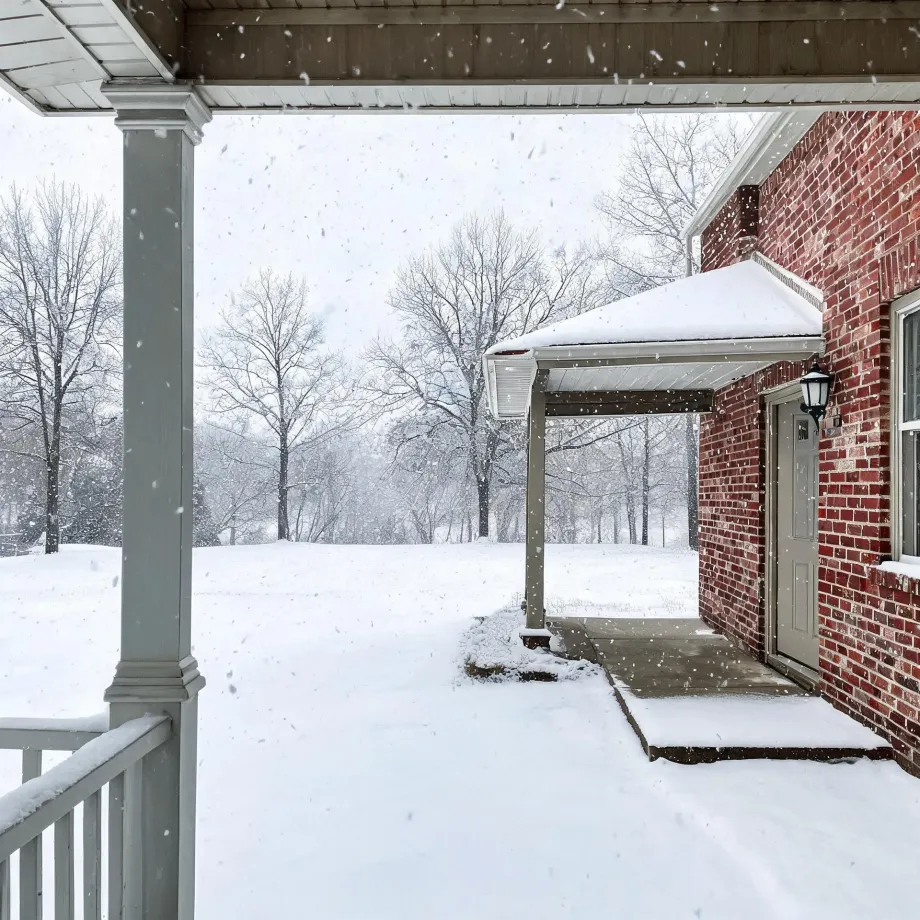
A furnace in this house runs its burner and ignition system hard, cycling through cold that arrives in September and holds through May. Homes in Saratoga County, NY run heat about nine months a year, from September through May. The heat exchanger and igniter take the bulk of that load, and a contractor checking a repair fault looks at those parts first. Cracks in a heat exchanger and igniter degradation both trace directly to accumulated firing cycles, not to a single bad day.
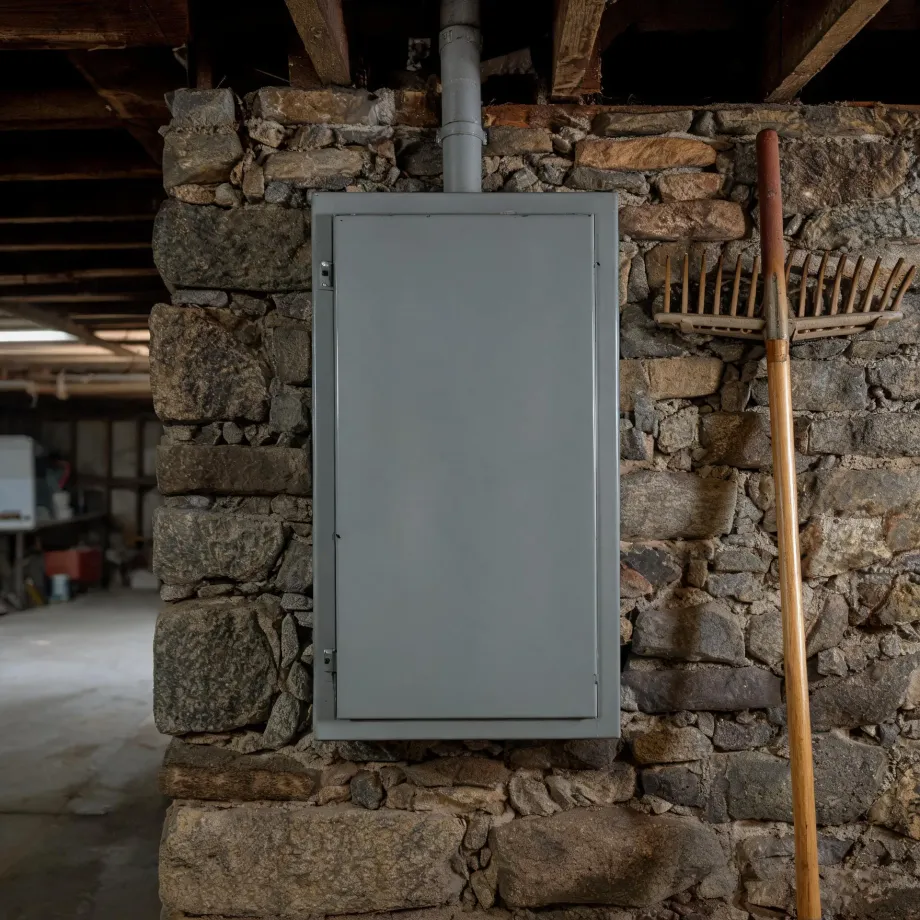
Furnace repair in housing this old runs into what previous owners did to keep up: duct runs patched around systems that were already replacements, wiring that was adapted rather than redone, and components that took whatever part was available at the time. Half the homes in Saratoga County, New York were built in 1984 or earlier (2020-2024 ACS 5-year). That history matters when a contractor opens a furnace and finds that the repair scope depends less on the failed part than on what surrounds it. A heat exchanger crack or a failed inducer is a fixed answer; whether the rest of the system is worth repairing around it is not.
The Parts of a Furnace a Contractor Checks First
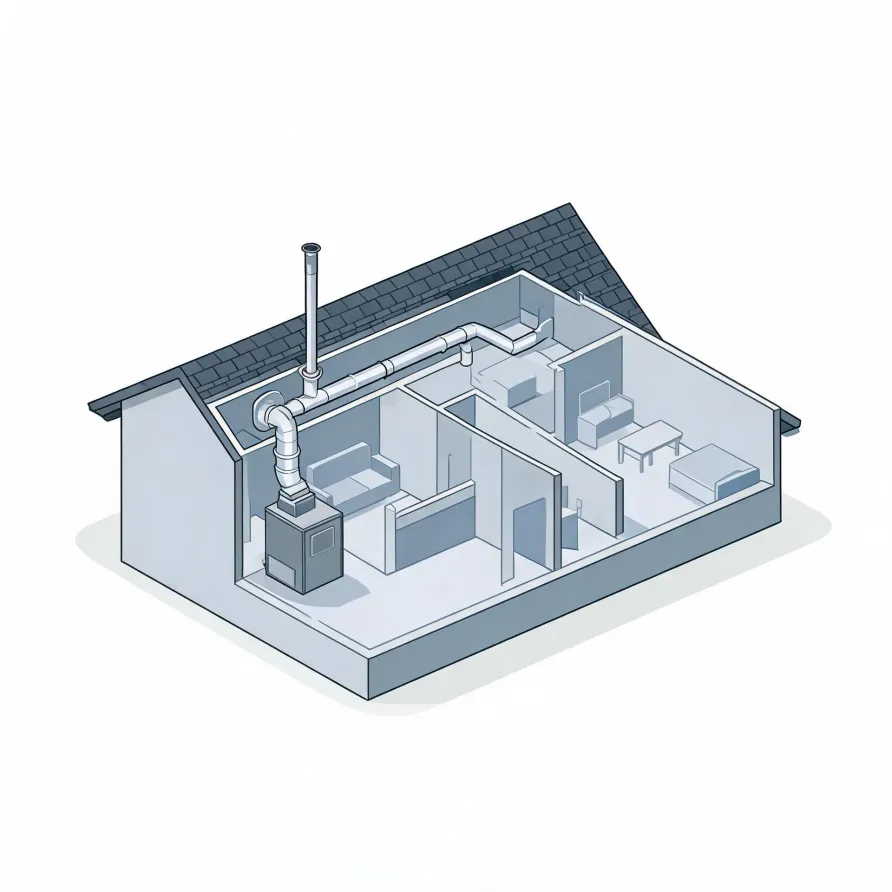
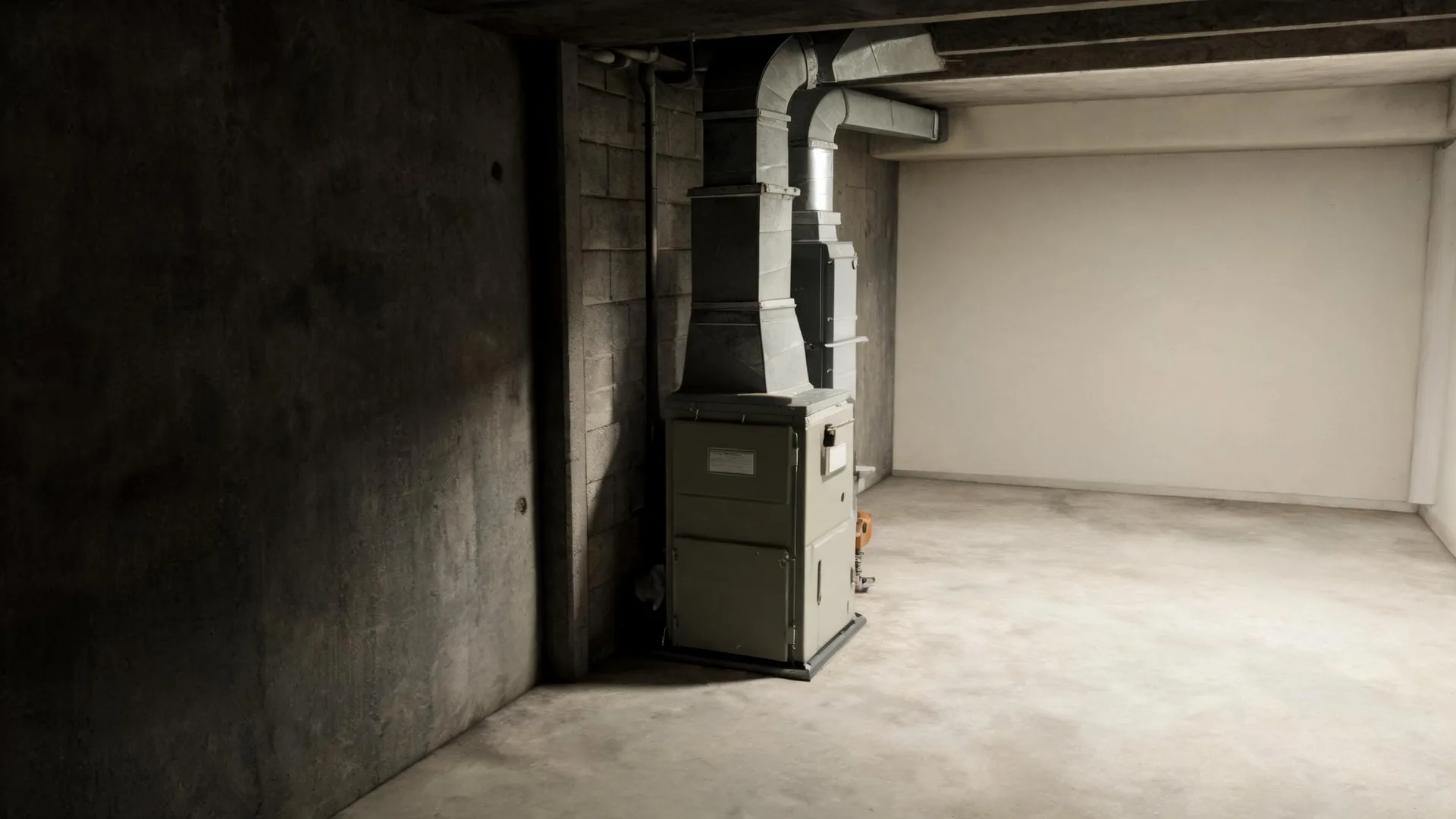
The furnace itself sits in the basement, utility room, or closet and is the piece a contractor goes to first. Inside it, the heat exchanger is the part most worth understanding: it separates combustion gases from the air your home breathes, and a crack there is serious. The burners, the igniter, and the flame sensor all live inside that cabinet and are common sources of a furnace that won't start or won't stay running.
The blower motor and its fan wheel sit in the lower half of the cabinet and push conditioned air out into the ducts. The flue pipe runs from the top or back of the furnace to the outside and carries exhaust gases out of the house. The thermostat on the wall is where most homeowners first notice a problem, but a contractor traces the complaint back through every component before settling on a cause.
The drawing shows a typical furnace layout, and a licensed contractor determines which parts apply to the specific system in your home.
Get matched in Saratoga CountySaratoga County, by the numbers
512 severe weather events were recorded in Saratoga County, New York between 2015 and 2024.
NOAA National Centers for Environmental Information, Storm Events Database, bulk CSV export, events 2015-01-01 through 2024-12-31.Half the homes in Saratoga County, New York were built in 1984 or earlier (2020-2024 ACS 5-year).
U.S. Census Bureau, 2020-2024 American Community Survey 5-Year EstimatesSaratoga County, New York holds 112,109 housing units (2020-2024 ACS 5-year).
U.S. Census Bureau, 2020-2024 American Community Survey 5-Year EstimatesOwners occupy 72.3% of the occupied homes in Saratoga County, New York (2020-2024 ACS 5-year).
U.S. Census Bureau, 2020-2024 American Community Survey 5-Year EstimatesCodes & Standards Covering Furnace Repair in Saratoga County, New York4 sourced rules and standards
What the repair visit looks like
Non-weatherized gas furnaces manufactured on or after November 19, 2015 must reach 80.0 percent AFUE.
Non-weatherized oil-fired furnaces manufactured on or after November 19, 2015 must reach 83.0 percent AFUE.
Mobile home gas furnaces manufactured on or after November 19, 2015 must reach 80.0 percent AFUE.
Non-weatherized gas furnaces manufactured on or after December 18, 2028 must reach 95.0 percent AFUE, up from the 80.0 percent minimum that applies to units manufactured before that date.
Severe Weather Events in Saratoga County
Extreme weather puts real stress on furnace systems, and Saratoga County winters do not give equipment an easy time. A furnace that runs hard through harsh conditions is one that accumulates wear, and wear is what brings a repair call.
512 severe weather events, 2015–2024. Source: NOAA National Centers for Environmental Information, Storm Events Database.