Tell us about the job
Takes about a minute. No obligation.
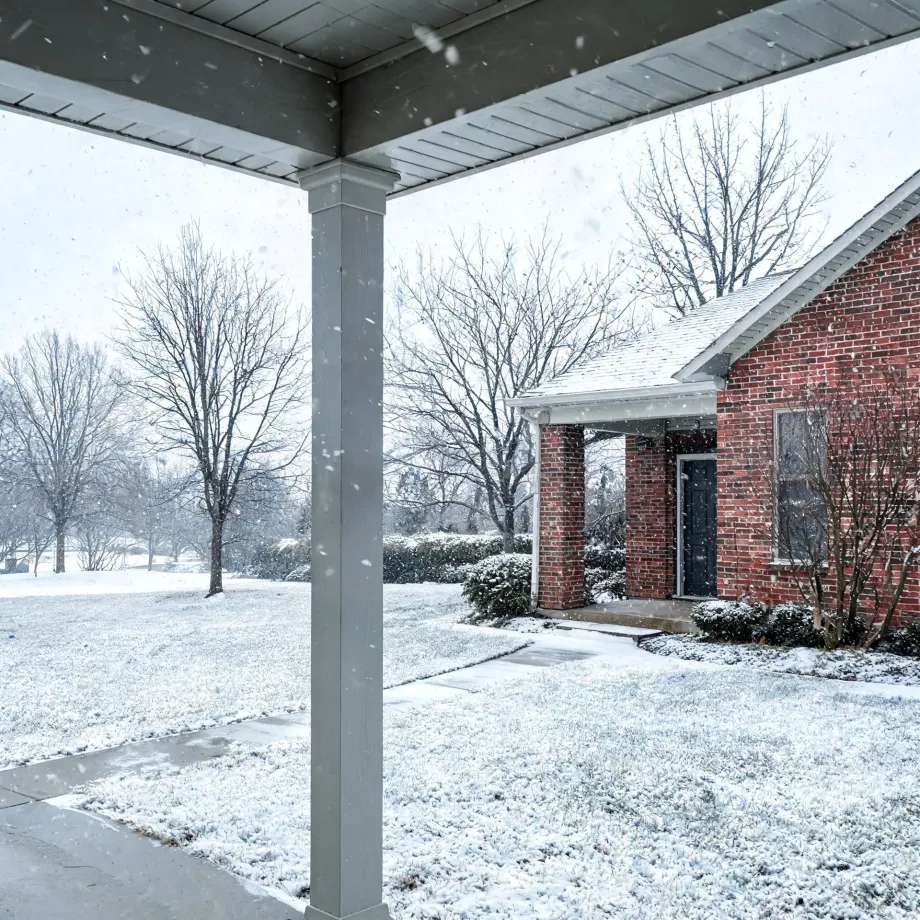
A furnace repair quote in Richmond County starts with the burner assembly and heat exchanger, because those are the parts that cycle every time the system fires. Homes in Richmond County, NY run heat about seven months a year, from October through April. The igniter, the flame sensor, and the heat exchanger surface all accumulate wear through each firing cycle, and a system running through that kind of season arrives at a repair call with a documented history in its components. Cracks in the heat exchanger and fouled flame sensors are what contractors find first here, and what they price first.
Furnace parts availability is where repair jobs in this county get complicated. Half the homes in Richmond County, New York were built in 1974 or earlier (2020-2024 ACS 5-year). A house that old has almost certainly had its furnace swapped out at least once, but the ductwork and the connections around it were built for something that no longer exists, and successive systems have adapted to what was already there. When a contractor opens a furnace here, the mechanical fault is sometimes the simpler half of the job. The harder question is whether the part that failed is still being made, and if a substitute fits the configuration the house has inherited.
The Parts of a Furnace a Contractor Checks First
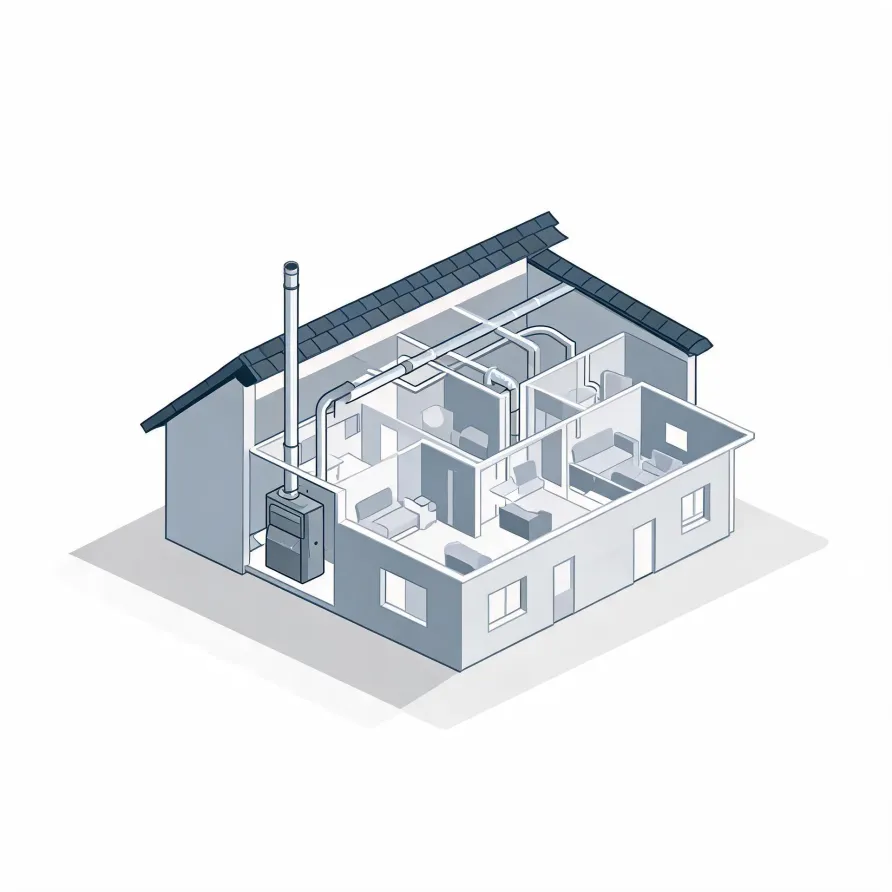
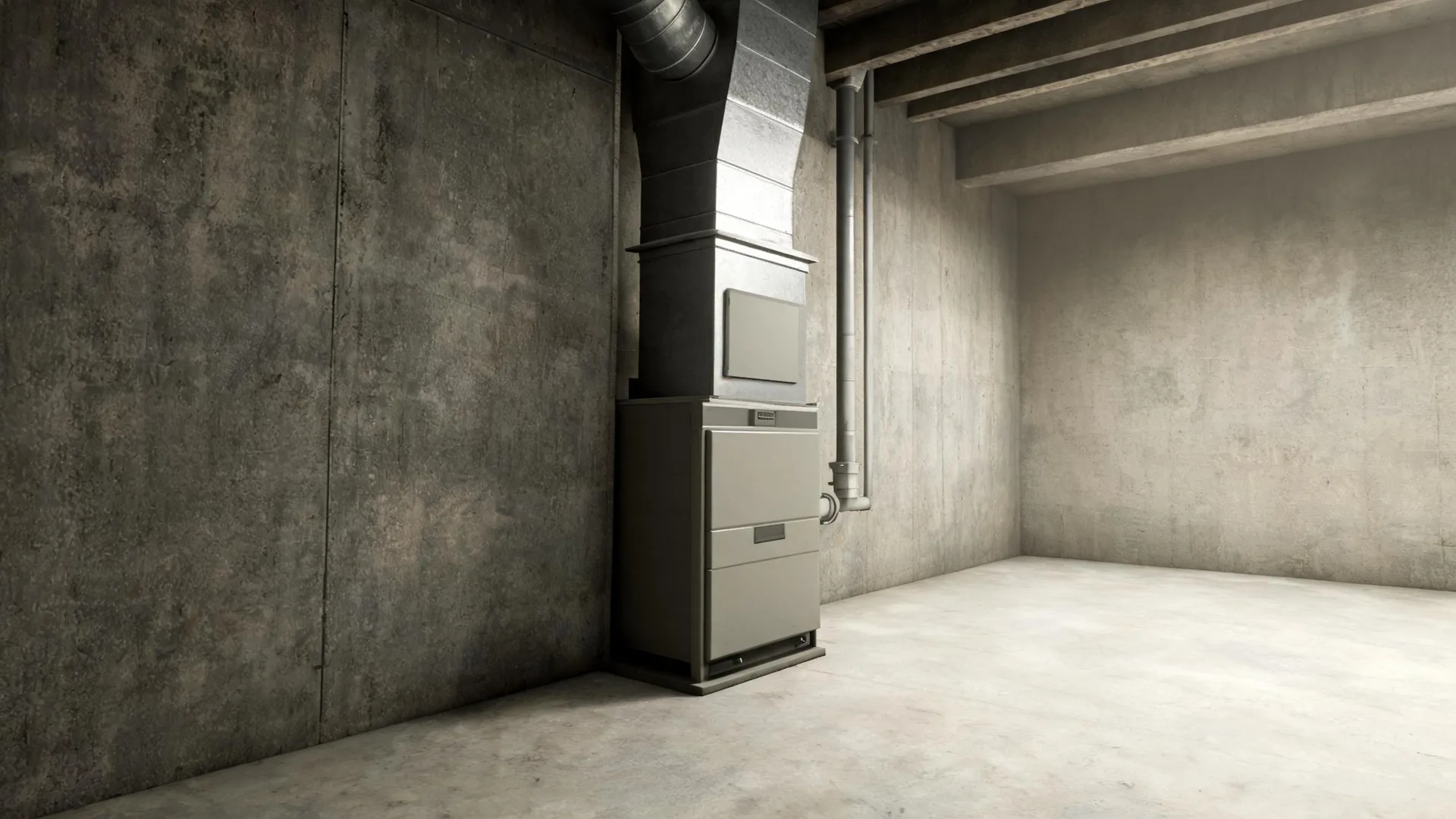
The furnace itself sits in a basement, utility closet, or mechanical room and is the piece a contractor goes to first. Inside it, the heat exchanger is the part that fails most quietly and matters most: cracks there let combustion gases into living air. The burners, the igniter, and the flame sensor all live in the same cabinet and each one has a distinct failure pattern a contractor reads from how the unit behaves.
The blower motor and its wheel sit at the base of the furnace cabinet and push conditioned air into the supply plenum above. The flue pipe runs from the top of the unit up and out, and the gas valve, pressure switches, and control board each occupy a fixed spot inside the cabinet that a contractor works through in a logical order.
The drawing shows a typical furnace layout, and a licensed contractor determines which components apply and need attention in your specific home.
Get matched in Richmond CountyRichmond County, by the numbers
55 severe weather events were recorded in Richmond County, New York between 2015 and 2024.
NOAA National Centers for Environmental Information, Storm Events Database, bulk CSV export, events 2015-01-01 through 2024-12-31.Half the homes in Richmond County, New York were built in 1974 or earlier (2020-2024 ACS 5-year).
U.S. Census Bureau, 2020-2024 American Community Survey 5-Year EstimatesRichmond County, New York holds 184,621 housing units (2020-2024 ACS 5-year).
U.S. Census Bureau, 2020-2024 American Community Survey 5-Year EstimatesOwners occupy 67.7% of the occupied homes in Richmond County, New York (2020-2024 ACS 5-year).
U.S. Census Bureau, 2020-2024 American Community Survey 5-Year EstimatesCodes & Standards Governing Furnace Repair in Richmond County, New York4 sourced rules and standards
What happens when the contractor arrives
Non-weatherized gas furnaces manufactured on or after November 19, 2015 must reach 80.0 percent AFUE.
Non-weatherized oil-fired furnaces manufactured on or after November 19, 2015 must reach 83.0 percent AFUE.
Mobile home gas furnaces manufactured on or after November 19, 2015 must reach 80.0 percent AFUE.
Non-weatherized gas furnaces manufactured on or after December 18, 2028 must reach 95.0 percent AFUE, up from the 80.0 percent minimum that applies to units manufactured before that date.
Severe Weather Events in Richmond County
Weather puts direct stress on heating equipment: hard cold snaps, pressure swings, and sudden temperature drops all push furnaces to work harder and fail sooner. Richmond County has its own weather history, and that history shapes what local furnaces go through.
55 severe weather events, 2015–2024. Source: NOAA National Centers for Environmental Information, Storm Events Database.