Tell us about the job
Takes about a minute. No obligation.
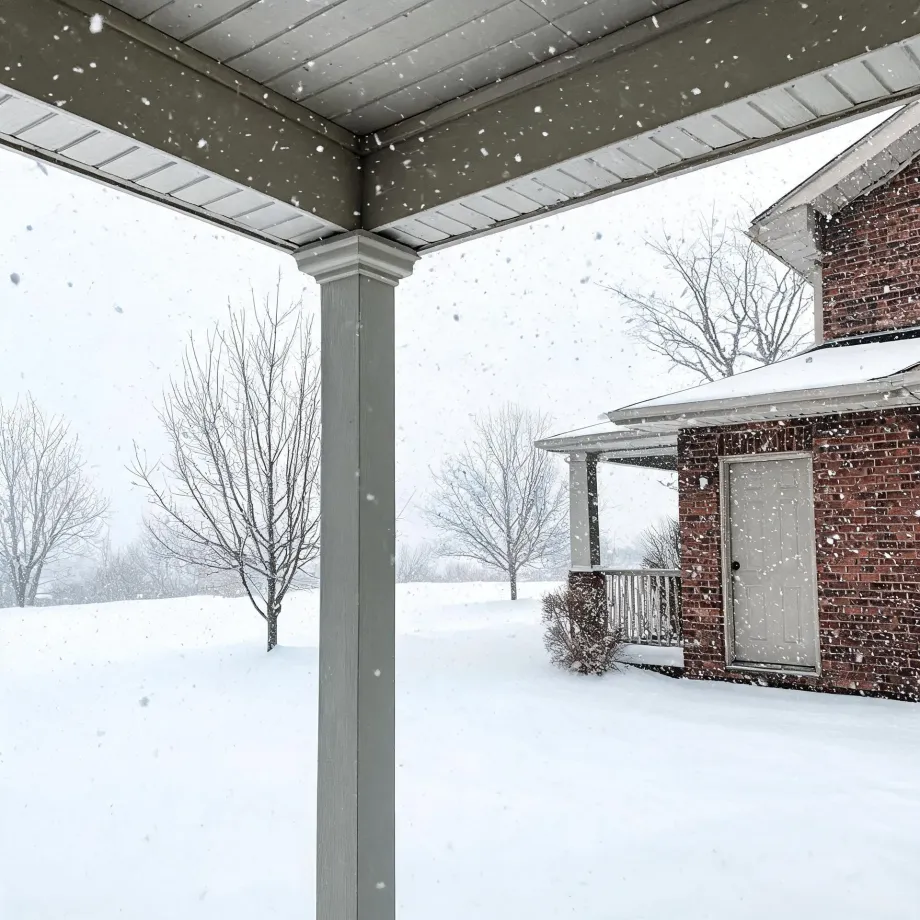
A furnace repair in Wyoming County starts with what the equipment has actually been through. Homes in Wyoming County, NY run heat about nine months a year, from September through May. The burner, the ignition system, and the heat exchanger cycle repeatedly across that span, and the fatigue shows in those parts before it shows anywhere else. A contractor checking a failed igniter or a cracked heat exchanger here is looking at components that have been running hard, not sitting. That is where the diagnosis starts, and where the repair bill is usually built.
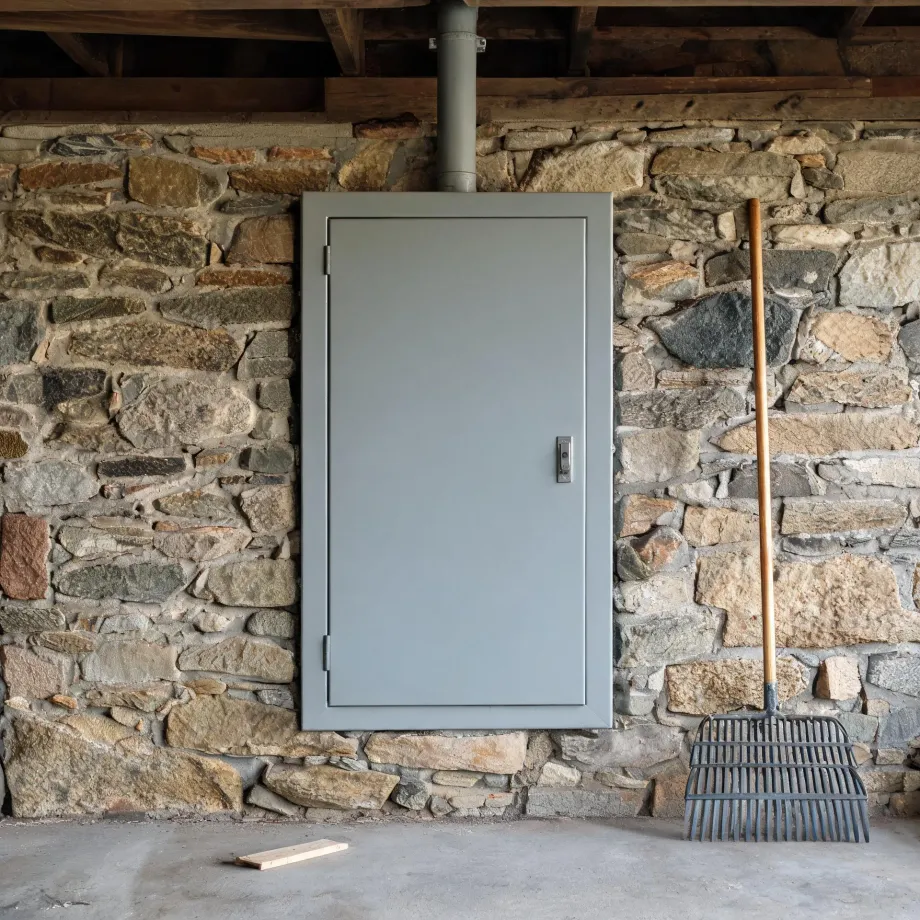
Ductwork and wiring from a post-war build carry their own history, but on a furnace repair the job pivots on what the opened unit reveals: cracked heat exchangers, corroded burner assemblies, and whether the replacement parts that system takes are still in production. Half the homes in Wyoming County, New York were built in 1960 or earlier (2020-2024 ACS 5-year). That depth of housing stock means a furnace running in a typical Wyoming County home has been adapted, serviced, and sometimes improvised around more than once. A contractor opening the cabinet to diagnose a fault is not estimating from the exterior; they are pricing from what the combustion side and the heat exchanger actually show.
The Parts of a Furnace a Contractor Checks First
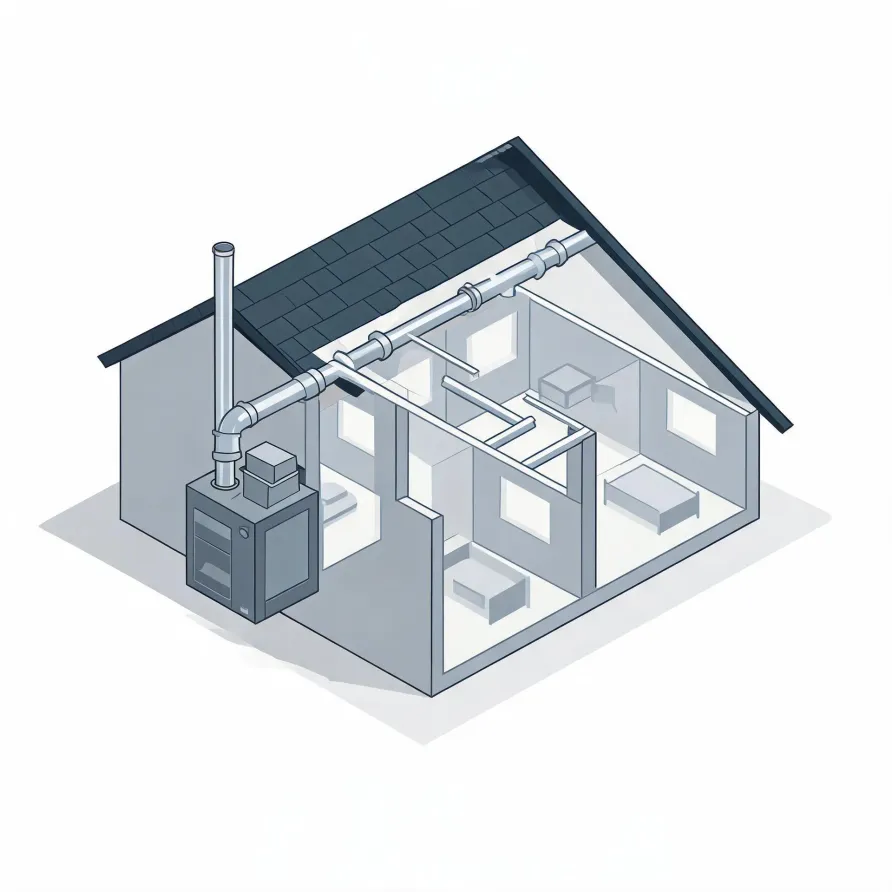
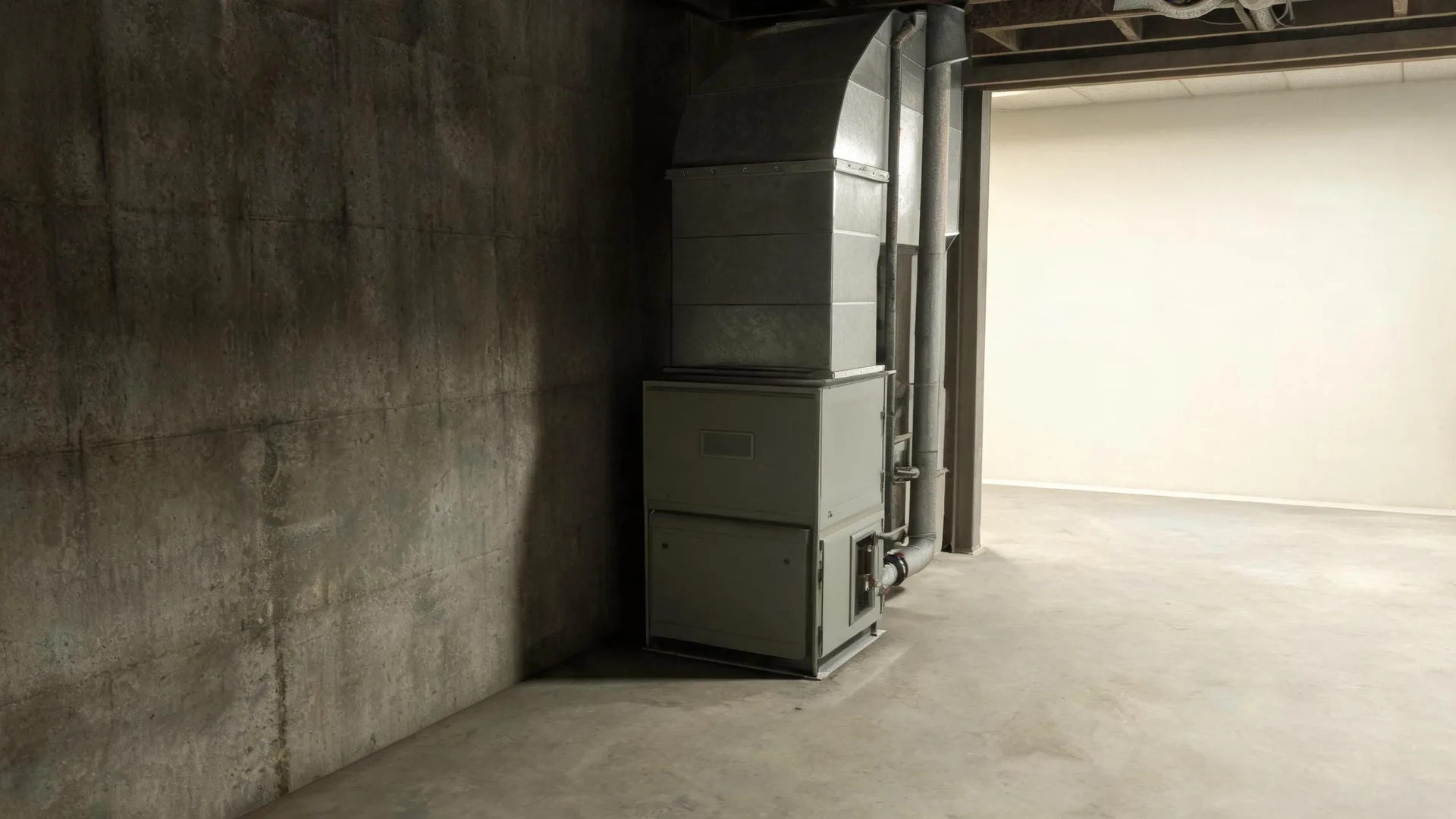
The furnace itself sits in a basement, utility closet, or mechanical room and is where heat is produced. Inside it, the heat exchanger is the part a contractor looks at closely during a repair call. Cracks or failures there affect both performance and safety. The burners, which sit just below the heat exchanger, are another common source of trouble when a furnace stops heating properly.
The blower motor and its fan wheel sit at the base of the furnace cabinet and push conditioned air out through the supply ducts. The control board and flame sensor are smaller components housed inside the cabinet that govern when the burners fire and whether the system shuts itself off. When a furnace behaves erratically or fails to start, those parts are where a contractor looks first.
The drawing shows a typical furnace layout, and a licensed contractor determines which components apply to the specific equipment and setup in your home.
Get matched in Wyoming CountyWyoming County, NY, by the numbers
130 severe weather events were recorded in Wyoming County, New York between 2015 and 2024.
NOAA National Centers for Environmental Information, Storm Events Database, bulk CSV export, events 2015-01-01 through 2024-12-31.Half the homes in Wyoming County, New York were built in 1960 or earlier (2020-2024 ACS 5-year).
U.S. Census Bureau, 2020-2024 American Community Survey 5-Year EstimatesWyoming County, New York holds 18,263 housing units (2020-2024 ACS 5-year).
U.S. Census Bureau, 2020-2024 American Community Survey 5-Year EstimatesOwners occupy 75.9% of the occupied homes in Wyoming County, New York (2020-2024 ACS 5-year).
U.S. Census Bureau, 2020-2024 American Community Survey 5-Year EstimatesFurnace Repair Rules and Codes for Wyoming County, New York4 sourced standards and regulations
What HVAC Repair Looks Like in Wyoming County
Non-weatherized gas furnaces manufactured on or after November 19, 2015 must reach 80.0 percent AFUE.
Non-weatherized oil-fired furnaces manufactured on or after November 19, 2015 must reach 83.0 percent AFUE.
Mobile home gas furnaces manufactured on or after November 19, 2015 must reach 80.0 percent AFUE.
Non-weatherized gas furnaces manufactured on or after December 18, 2028 must reach 95.0 percent AFUE, up from the 80.0 percent minimum that applies to units manufactured before that date.
Weather Stress on HVAC Equipment in Wyoming County
Furnaces in Wyoming County work against whatever the weather demands, and hard weather pushes equipment harder. That workload history is local, and it shapes what repair and maintenance look like here.
130 severe weather events, 2015–2024. Source: NOAA National Centers for Environmental Information, Storm Events Database.