Skip collecting and comparing quotes for the new furnace.
A gas furnace in New York typically runs 15 to 20 years before it needs replacing, though what's inside your walls and how the system was installed the first time around can push that number either way.
You probably haven't thought much about your furnace since last winter ended. That's normal. It sits in the basement or a closet and runs for months without asking for attention, until one cold morning it doesn't come on. By then you're not just dealing with the cold, you're trying to figure out who to call.
If your furnace is getting old, or it's already started acting up, replacing it before it fails outright saves you from making that decision in a panic, in the cold, with a houseful of people waiting. It also means you get to choose the unit and the install date instead of taking whatever's available that week.
Finding someone to do the work is its own job. You'd normally be searching for contractors near you, calling a few, explaining the same thing about your current system to each one, waiting on callbacks, then comparing quotes that are never quite apples to apples. That part goes away here. You tell us what's going on once, and it goes to a contractor who installs furnaces in New York homes all the time, who knows what a 20-year-old unit in this area tends to need replaced alongside it and what permits or venting changes the work might call for locally. You're not stuck sorting through five different companies and five different prices. It's one contractor, matched to your situation, who already knows the kind of system that holds up through a New York winter and the kind that doesn't.
From there, the conversation is about your house and your furnace, not about finding someone willing to look at it.
A gas furnace in New York typically lasts 15 to 20 years. Most houses here heat with gas, and that equipment runs hard from late fall into early spring, which is most of what wears it down over time. The burner, the heat exchanger and the igniter all take that strain winter after winter, and by year 15 or so, parts start failing more often than they're worth fixing. Some furnaces make it past 20, especially with regular service, but once a system is past 15, a repair that used to be routine can turn into a sign the whole unit is on its way out. If your furnace came with the house and nobody's told you its age, that's worth finding out, since a furnace built in the last few years of that range is a different decision than one you just replaced.
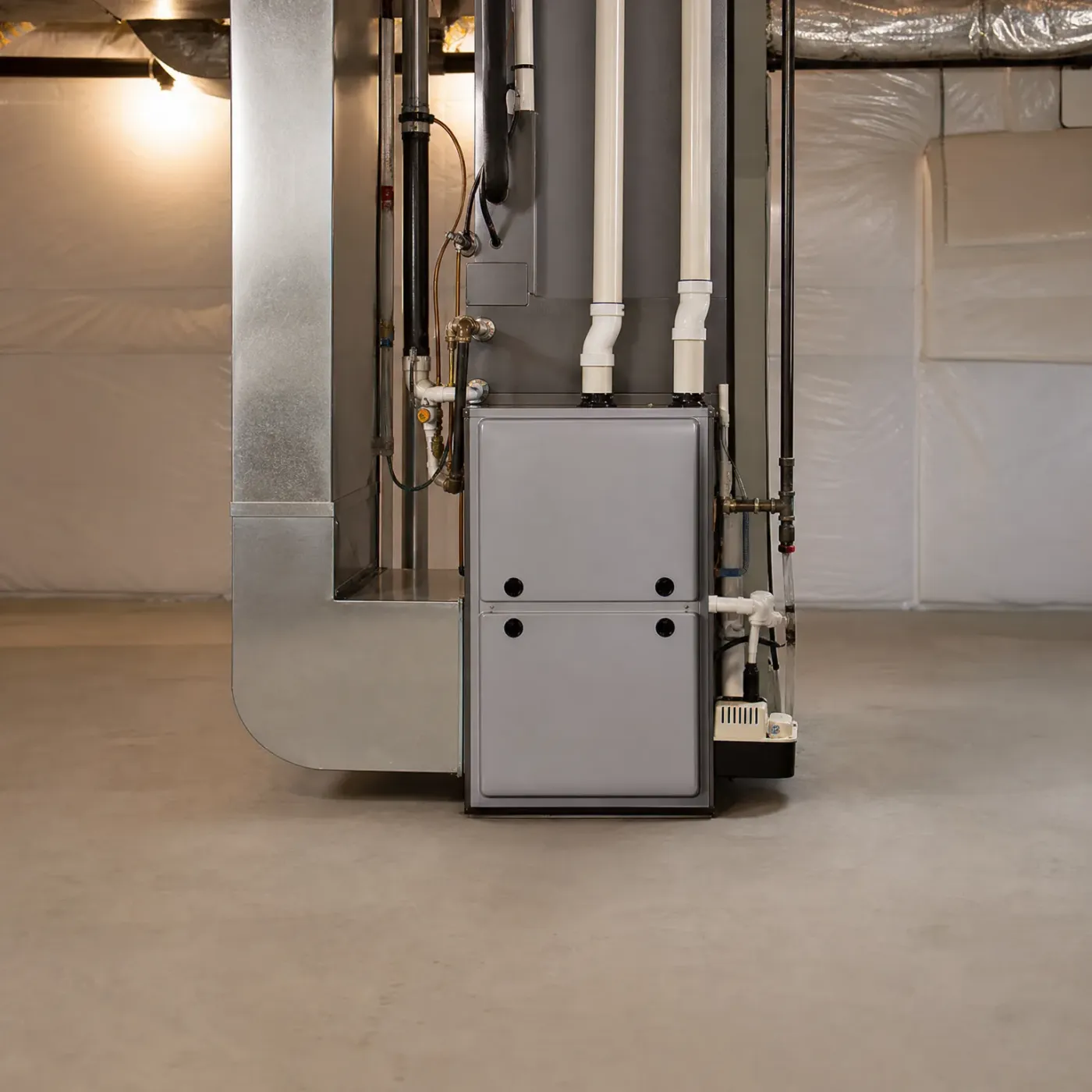
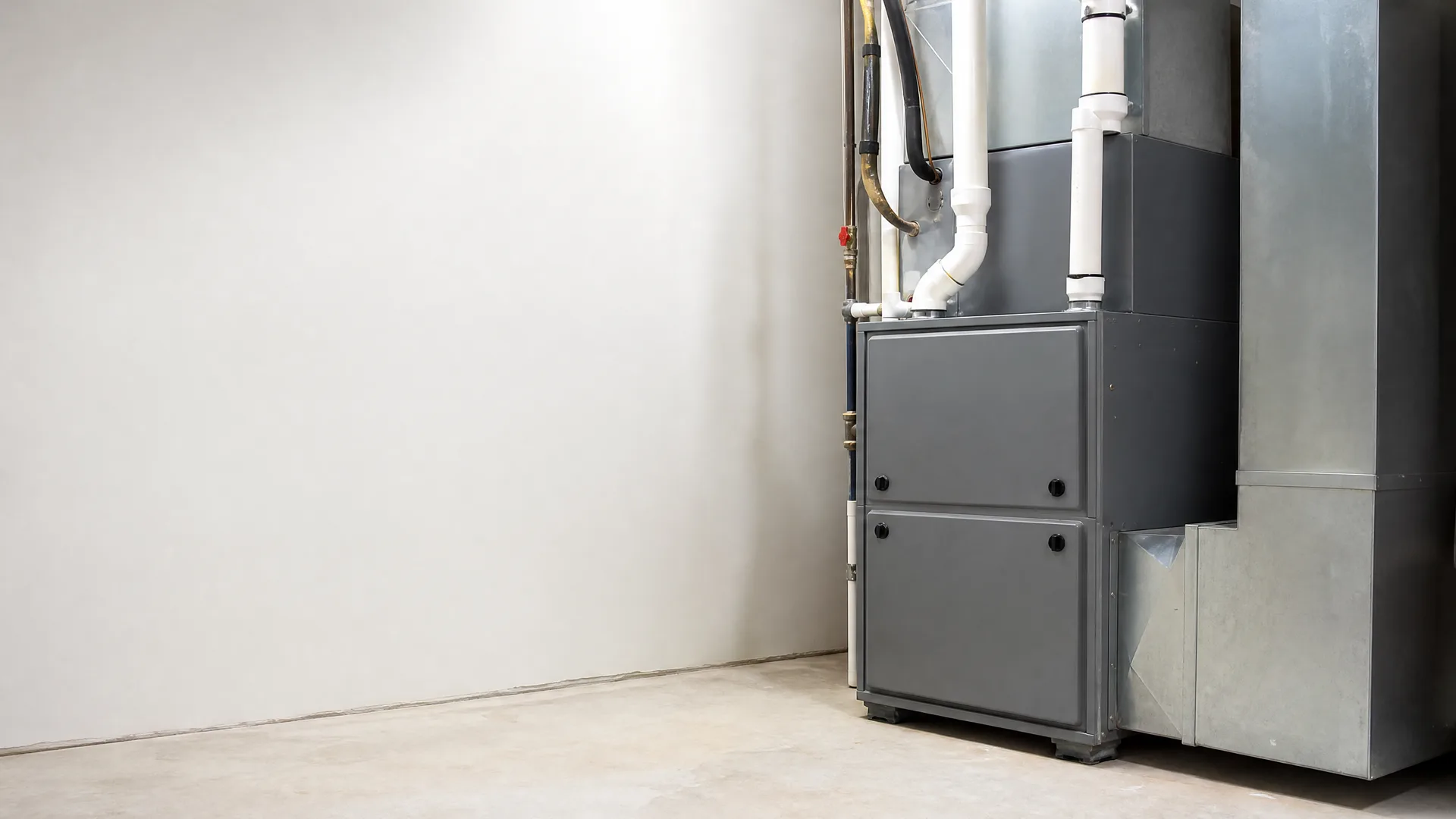
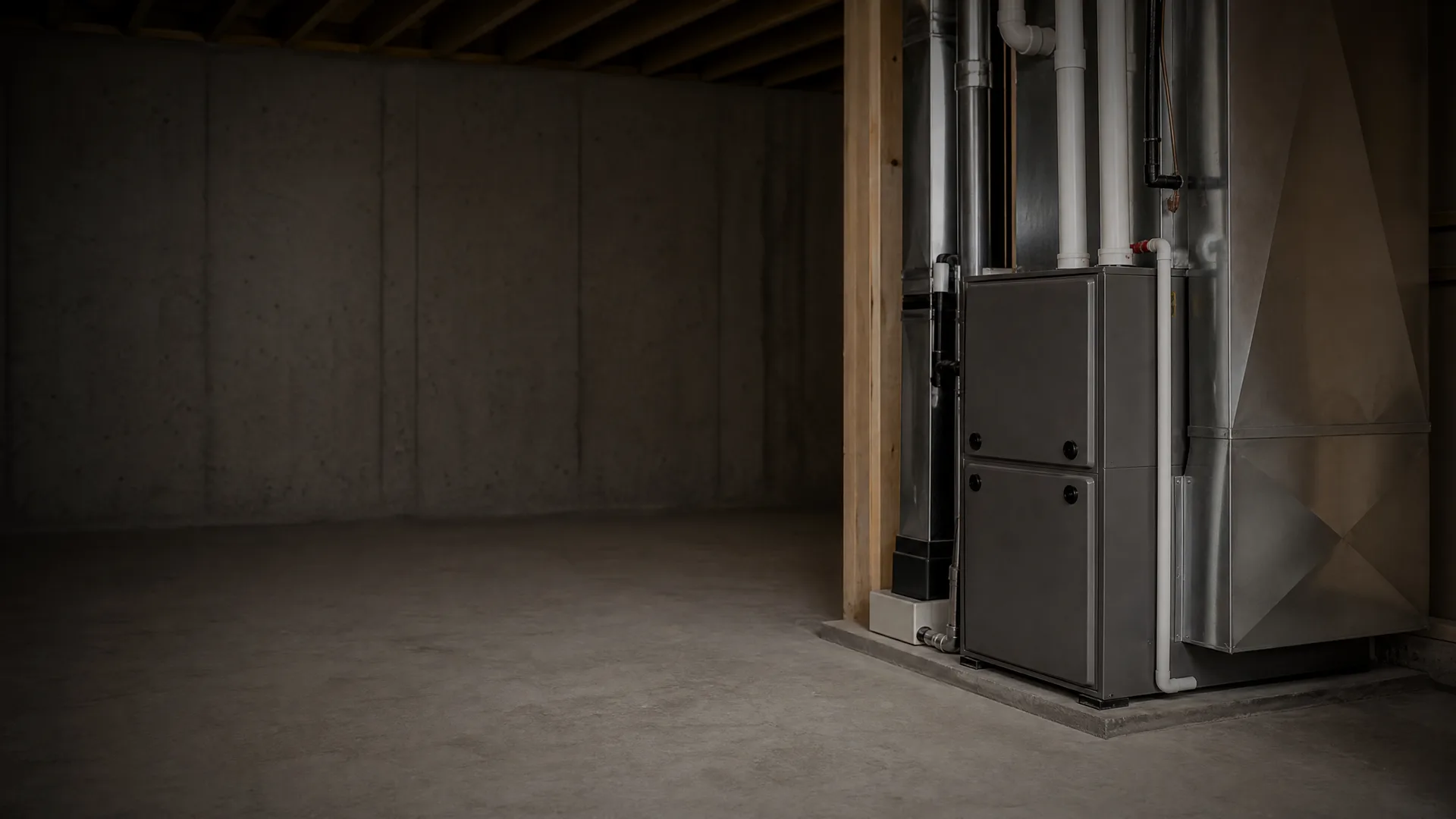
A furnace running the way it should sends heat through clean ductwork and clears exhaust through a proper drain line without strain.
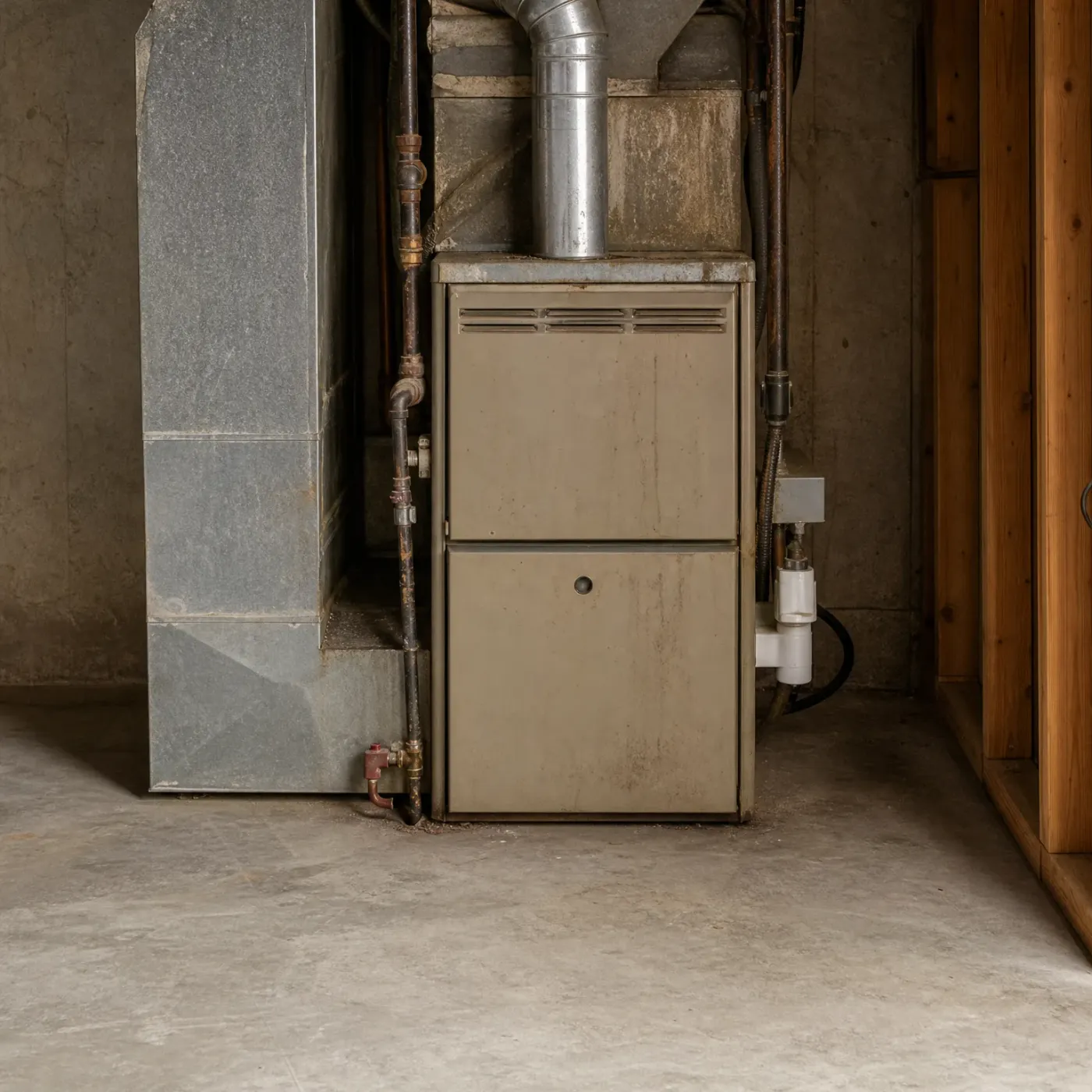
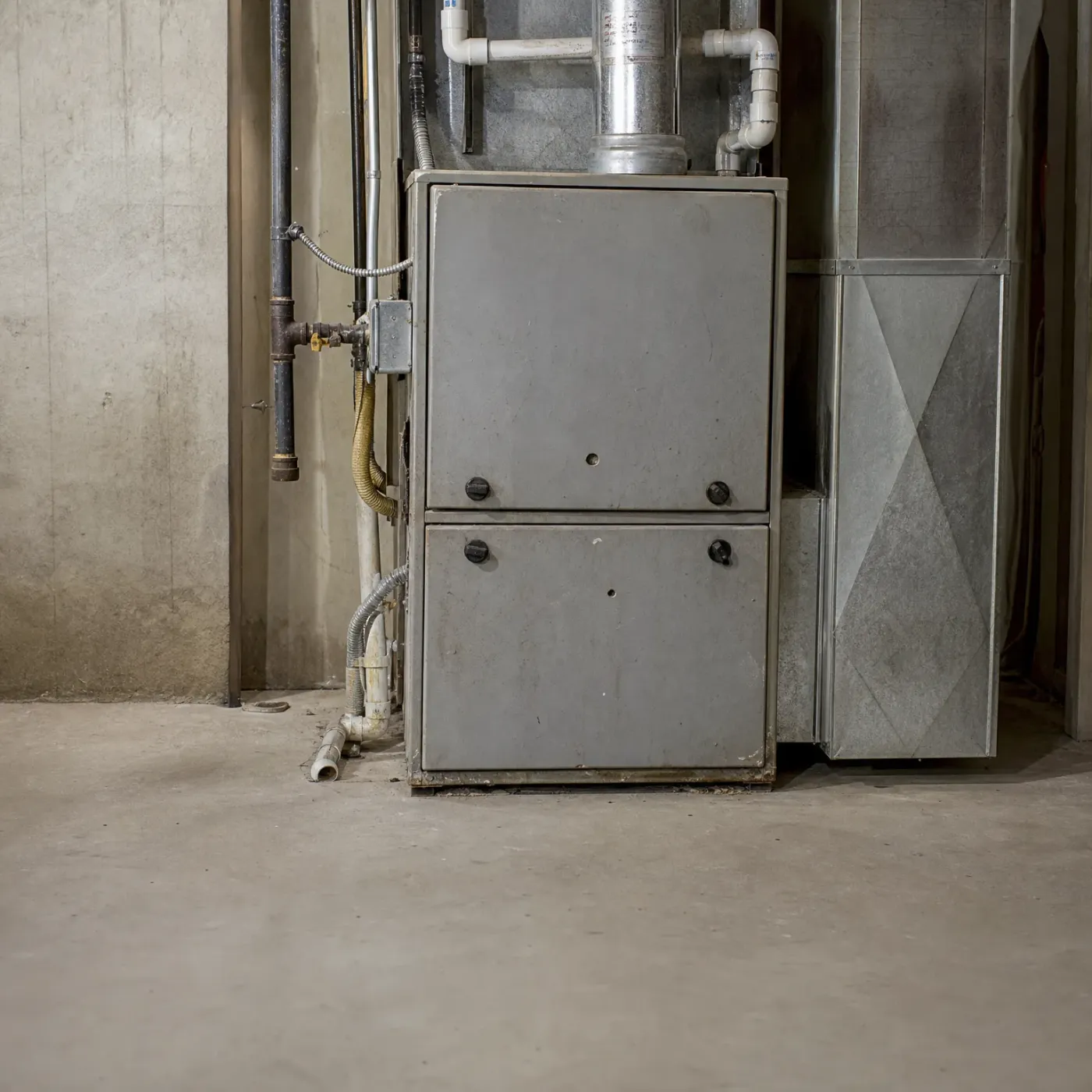
Grime on the panels, an aging flue pipe and a chimney doing double duty are signs a furnace is past its working years.
Your request goes to one pro, not a list of companies.
It costs nothing to send, and you don't have to hire anyone.
The heat exchanger sets the limit
A furnace can keep lighting long after the part that matters most has started to go. The heat exchanger is the metal chamber that separates the flame from the air moving through your ducts. Years of heating and cooling cycles make it expand and contract until hairline cracks form. Once that happens, a furnace isn't safe to run no matter how well everything else works, and replacement is the only option a contractor will sign off on.
Short cycles wear parts faster
A furnace sized correctly for your house runs longer cycles and shuts off less often. One sized too large heats the space fast, shuts off, then kicks back on again within minutes. Each start puts stress on the igniter and the blower motor, the two parts that tend to fail first. A furnace that short cycles for years can wear out well before 15, even if the install date on the unit says otherwise.
Repair Again or Replace Now
Keep the old furnace going
A furnace past 15 years can still heat the house, but each repair is a bet that the heat exchanger holds another winter.
Parts for an older unit take longer to source, and a cracked exchanger or a failed control board can mean days without heat in January.
Gas prices aside, an aging furnace loses efficiency as the burner and heat exchanger wear, so New York's electric rates sting less but the gas bill climbs.
Every repair bill is on top of what you already paid for the last one, and there's no telling which fix is the last.
If the furnace came with the house, you likely don't know its full repair history, which makes the next failure harder to predict.
Install a new furnace now
A new furnace carries a full warranty and years before the next major repair is even a conversation.
Modern furnaces run more efficiently, which matters in New York where the system runs hard from late fall into early spring.
Instead of searching for a contractor, calling a few, and explaining the same problem over and over, you're matched with one licensed local contractor who already knows the furnaces common in your area.
That contractor works on this equipment all winter and knows what tends to fail first in installations like yours.
You get one point of contact instead of a flood of calls from competing companies, so comparing quotes isn't something you have to manage yourself.
Replacement on your schedule beats an emergency swap during the first cold snap, when a failed heat exchanger leaves you without heat and without time to shop around.
Running the way it should
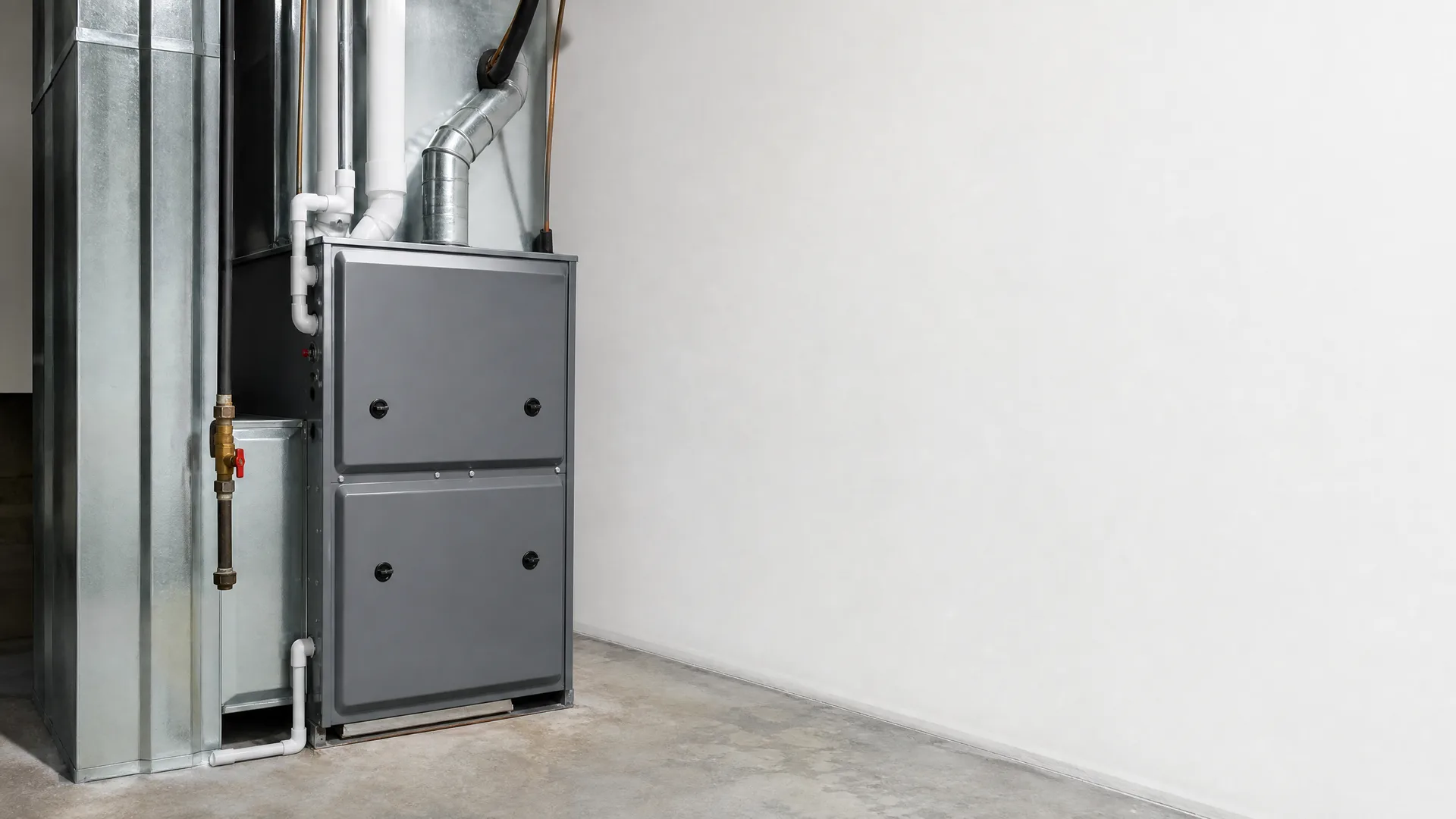
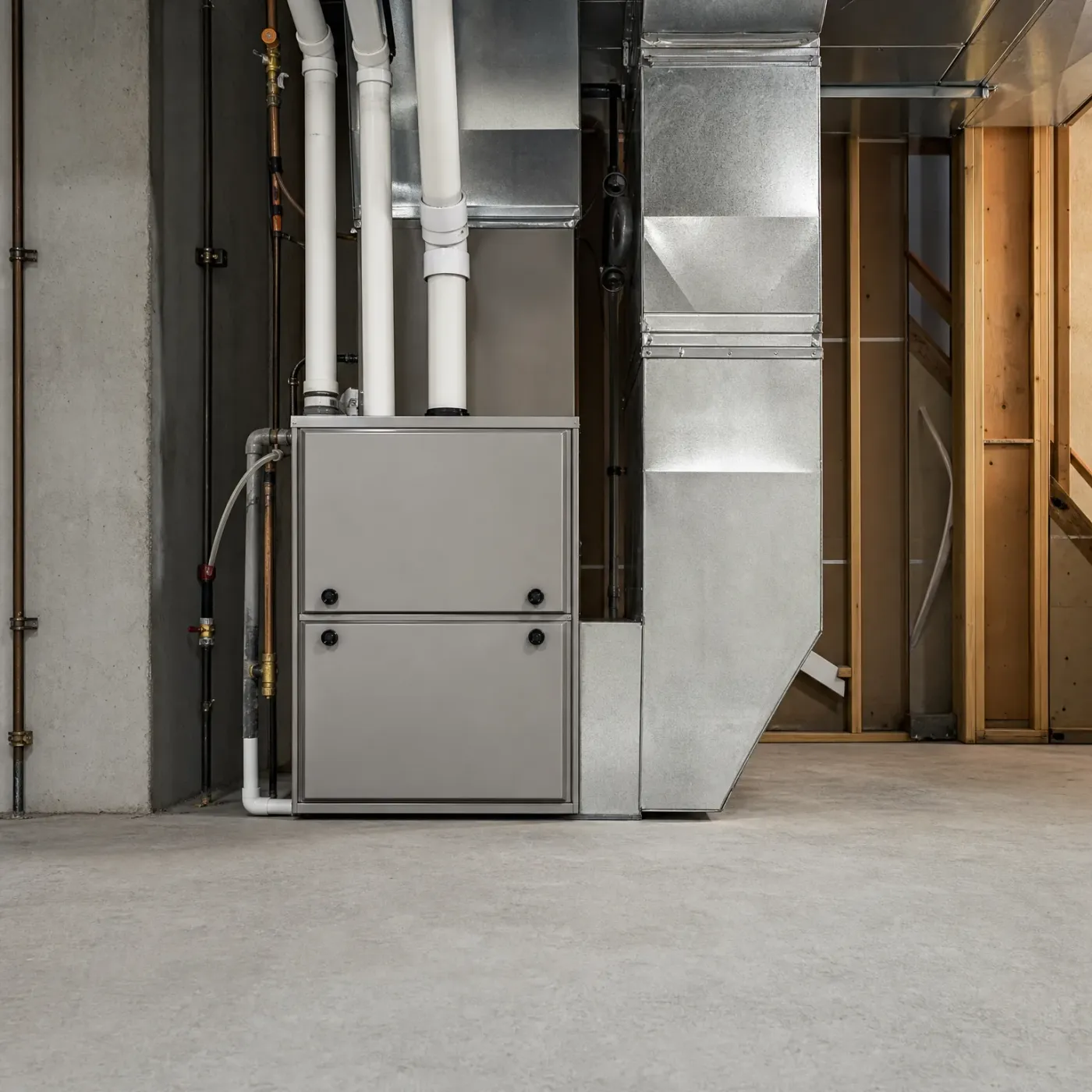
This is what a furnace looks like doing its job. The ductwork carries heat up and out, the condensate line clears without backing up, and the gas line feeds the burner at a steady rate. Nothing here is working harder than it has to.
Carrying the load for years
Two access panels, a cracked seal on either one, and you've got a problem the owner can't see from across the room. By the time a furnace this age needs its panels off more than once a season, you're paying someone to keep finding what's wrong instead of paying once to stop asking.
Winter nights average 24°F statewide
A 24°F night means your furnace is cycling on well past midnight, every night, for months straight. That's the stretch that wears down the heat exchanger and the igniter fastest. A unit near the end of its 15 to 20 years feels it first on nights like that.
NOAA nClimDiv 1991-2020 county normals weighted by homes
15 to 20 years, and then a decision
A gas furnace in New York lasts 15 to 20 years. Where your system falls in that range depends on the heat exchanger, the ductwork behind your walls, and how the furnace was installed the first time. You've seen what that looks like running well, and what it looks like near the end.
Once you know where your furnace stands, the next step is finding someone to look at it in person, and that part usually means calling around, explaining the same symptoms to three different companies, then sitting with quotes that don't quite match up. A local contractor who installs furnaces in this area every winter has seen what tends to fail first in houses like yours, and you'd be working with one company, not fielding calls from several.
Describe it once
One installer gets your project, so there's no bidding war over it.