Where That Leaves You
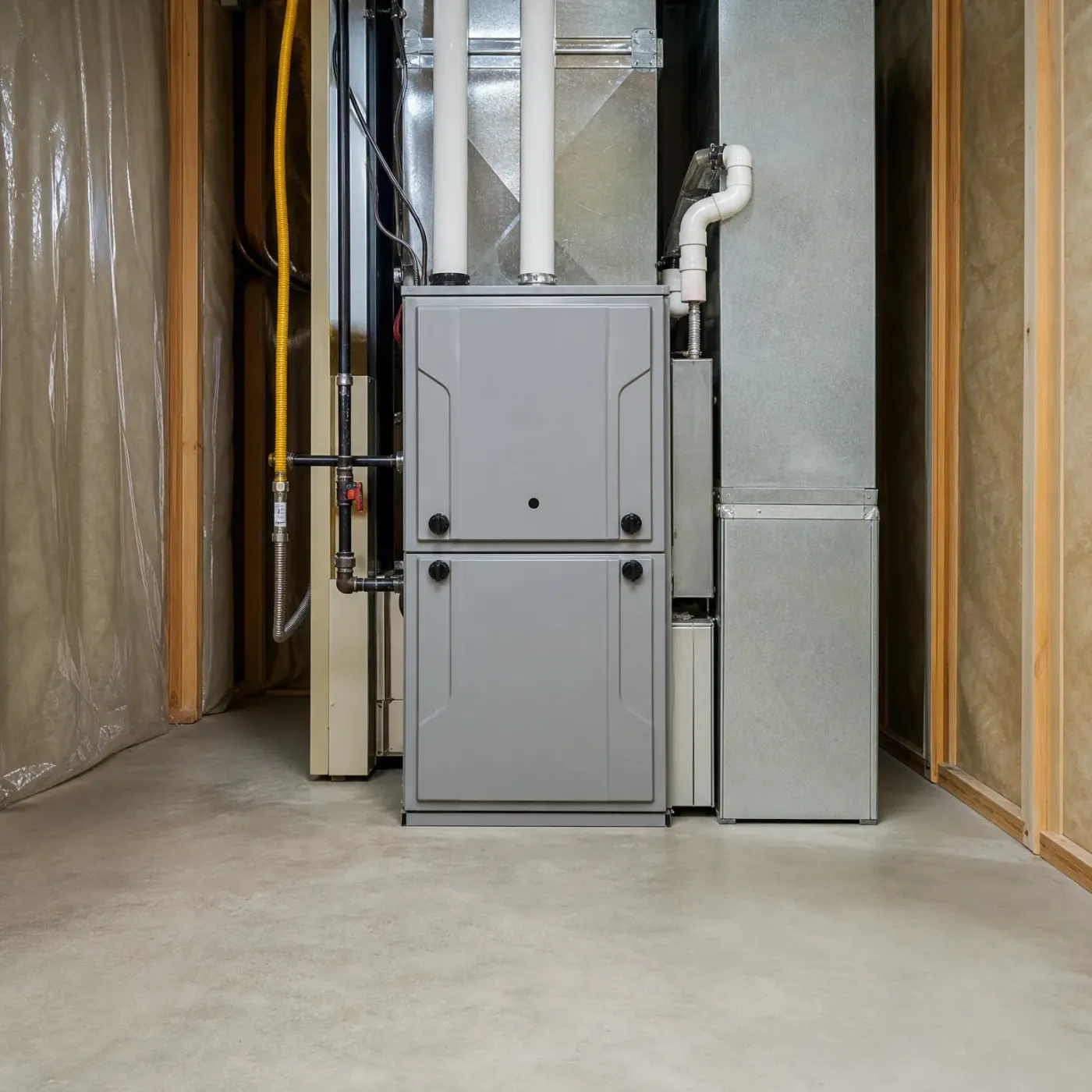
- A furnace that cycles evenly and heats the house without strain is usually worth repairing rather than replacing.
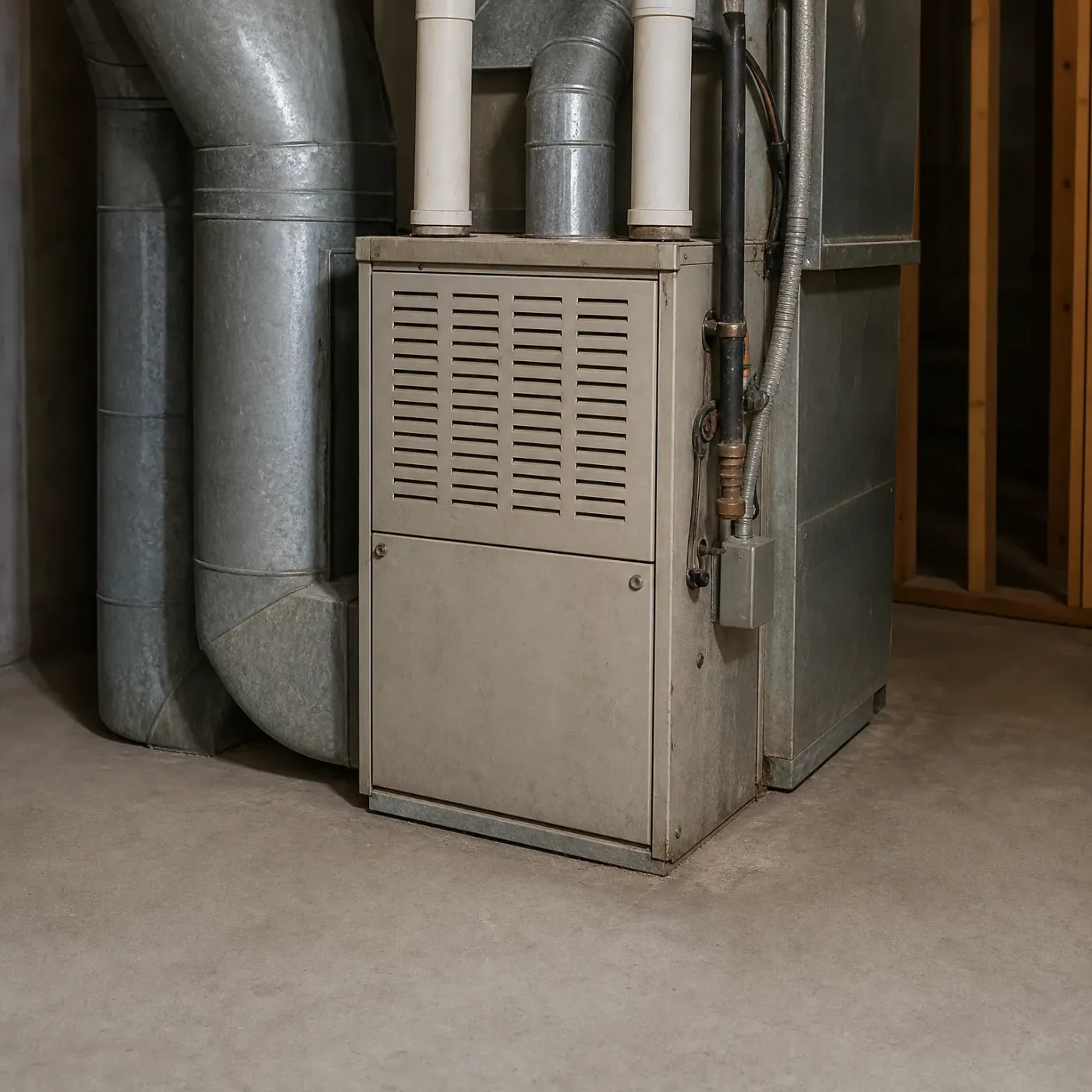
- Once a furnace passes fifteen years, repairs start buying less time because the heat exchanger has taken more winters of wear.
- Rising gas bills and rooms that stay cold are signs of lost efficiency that show up before the furnace fails outright.
- On the coldest nights, a furnace that runs steadily rather than cycling will show its age fastest in rooms farthest from it.
- The decision comes down to what the furnace is doing now, not just how old it is.
You came here trying to decide between a repair bill and a new furnace, and the answer depends on what your furnace is actually doing, not just the number on its nameplate. A furnace that heats evenly, cycles normally, and hasn't needed much from you is worth fixing when something breaks. That math changes once the furnace is past fifteen years and showing it: gas bills climbing for no clear reason, certain rooms never quite reaching the thermostat setting, or the furnace running long and steady instead of cycling on the coldest nights. Those are signs the heat exchanger and the rest of the system are working harder than they used to, and a repair at that point often buys you less time than the price tag suggests.
None of this means every old furnace needs to go, or that a repair quote should scare you into replacing something that's still doing its job. It means looking at what's actually happening in your house this winter. If the furnace is keeping up without strain, fix what broke. If it's been struggling for a while and the repairs keep coming, a new furnace stops being a bigger expense and starts being the one that makes sense. Either way, you're not guessing anymore. You know what to look for, and you know which situation you're actually in.