





Signs your furnace won't last a New York winter

Step 1 of 3: Equipment

What are the signs my furnace won't make it through winter?

You want to know before January whether the furnace is going to leave you cold, not after. Short cycling, a burner flame that looks off, a furnace running most of the day without catching up, or a smell when it kicks on are the kind of things you've noticed and want to know if they mean trouble. With gas prices what they are in New York, you also don't want to be guessing.

A furnace that short cycles, runs constantly, or smells off when it starts likely won't hold up through a New York winter

Short cycling usually means the heat exchanger is cracked or the flame sensor is failing, and both get worse with use, not better. A furnace that runs nonstop and still can't keep the house warm is losing the fight against the cold outside, and once outdoor temperatures drop into the teens or lower, a weak furnace falls further behind each week. A burner flame that's yellow instead of blue, or a burnt smell when it kicks on, points to a combustion problem that can turn into a safety issue, not just a comfort one. Any of these on their own is worth a look. Two or more together, with a New York winter ahead of you, means the furnace is telling you it's running out of road.

  1. The thermostat calls for heat and the igniter glows.

  2. Gas valve opens and the burners light off the igniter.

  3. The flame sensor checks the burners are actually lit.

  4. The inducer motor pulls exhaust out through the flue.

Repair It or Replace It

Repair

  • A cracked heat exchanger can't be patched, but a bad igniter, flame sensor or inducer motor usually can for a lot less than a new furnace.
  • If the furnace is still catching and holding heat most days, with just one part acting up, a repair can carry you through this winter.
  • Parts for a furnace under 10 to 12 years old are still easy to source, so a repair doesn't mean waiting weeks on backorder.
  • A single repair now costs less upfront than replacement, which matters with New York power and gas rates already high.
  • If the problem is new this season and the furnace ran fine last winter, that points to a fixable failure, not the whole unit giving out.

Replace

  • If you're calling about a different failure every month or two, you're paying for repairs on a furnace that's already on its way out.
  • A furnace that runs most of the day without ever quite catching up is losing efficiency you'll keep paying for on every gas bill this winter.
  • Once a heat exchanger cracks, the furnace has to be replaced, since that part can't be welded or swapped on its own.
  • An 18 to 20 year old furnace is near the end of what these units are built to run, even if nothing's failed yet.
  • A new furnace comes with a warranty on parts, so you're not paying out of pocket again if something fails next winter.
A woman in a cream sweater with her hair in a bun laughs while seated at a stone counter holding a glass of red wine, in a dimly lit interior with a sofa, houseplants and a large window at night.
A woman with long dark hair in a cream knit sweater laughs while looking off to the side, seated in front of a dimly lit kitchen with an island, stools, open shelving and a potted plant, with a glass of red wine in the foreground.
A smiling woman with long dark wavy hair in a light knit sweater sits at a marble counter with a glass of red wine, with a dimly lit living room and kitchen in the background.
A smiling woman with long wavy brown hair in a beige sweater sits at a white marble counter with a glass of red wine, with a living room, dining table and kitchen cabinets behind her.
A closed silver laptop and a glazed ceramic mug on a wooden table, with a blurred kitchen counter, potted plant, cutting board and window in the background.

What this looks like in your own house

You'll notice it in the rooms, not the furnace room. The bedroom upstairs stays cold while the thermostat on the main floor reads warm. The burners cycle on and off every few minutes instead of running a steady stretch. Your gas bill climbs even though you haven't touched the thermostat, because a struggling furnace burns more gas to make less heat. A January cold snap is a bad time to find out which of these you have, and in New York, with gas heat in most homes and power rates among the highest in the country, a furnace that's working harder than it should costs you either way.

If you're seeing two or three of these, it's worth having someone look before the temperature drops hard. That doesn't mean calling around to three companies, explaining the same symptoms three times, then sitting with quotes that don't quite match because each contractor saw something different. One licensed contractor local to your area, who services furnaces like yours all winter and knows what tends to go first in a New York winter, comes out, looks at the actual unit, and tells you what's really going on.

A living room corner with a beige sofa and cushion, a round wooden coffee table holding a pale ceramic vase of eucalyptus stems and a wooden bowl, and a curtained window with a potted plant above a latticed radiator cover in the background.
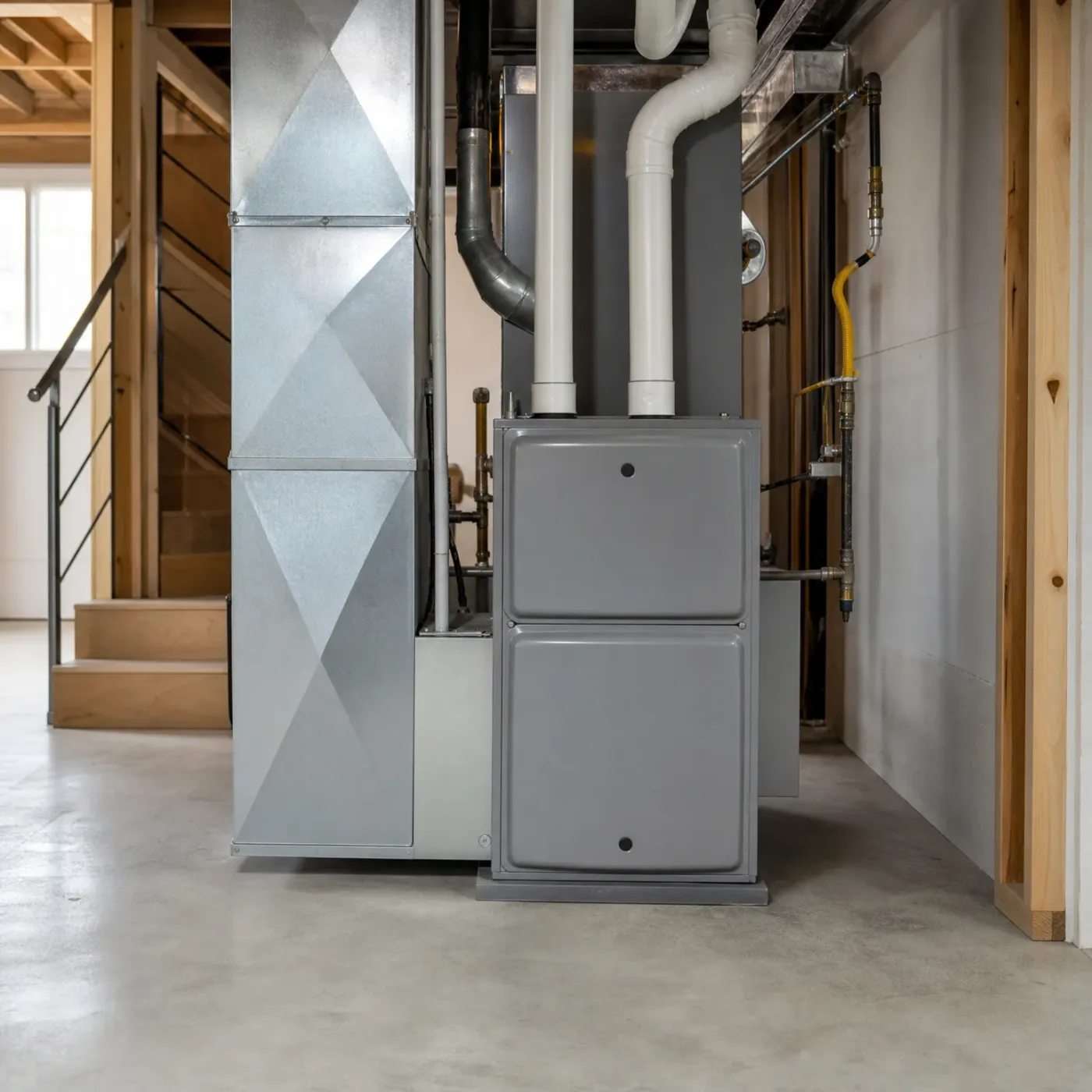
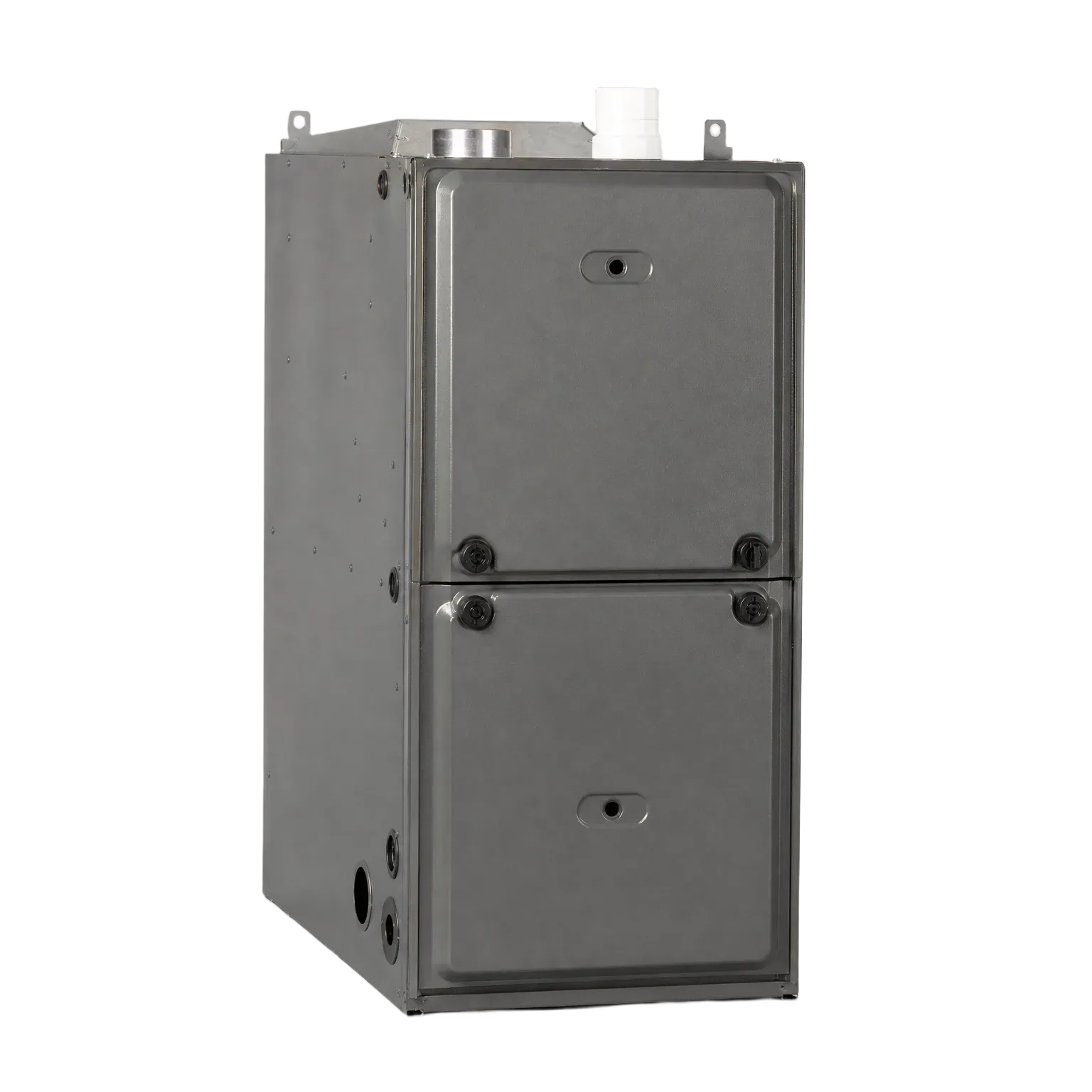
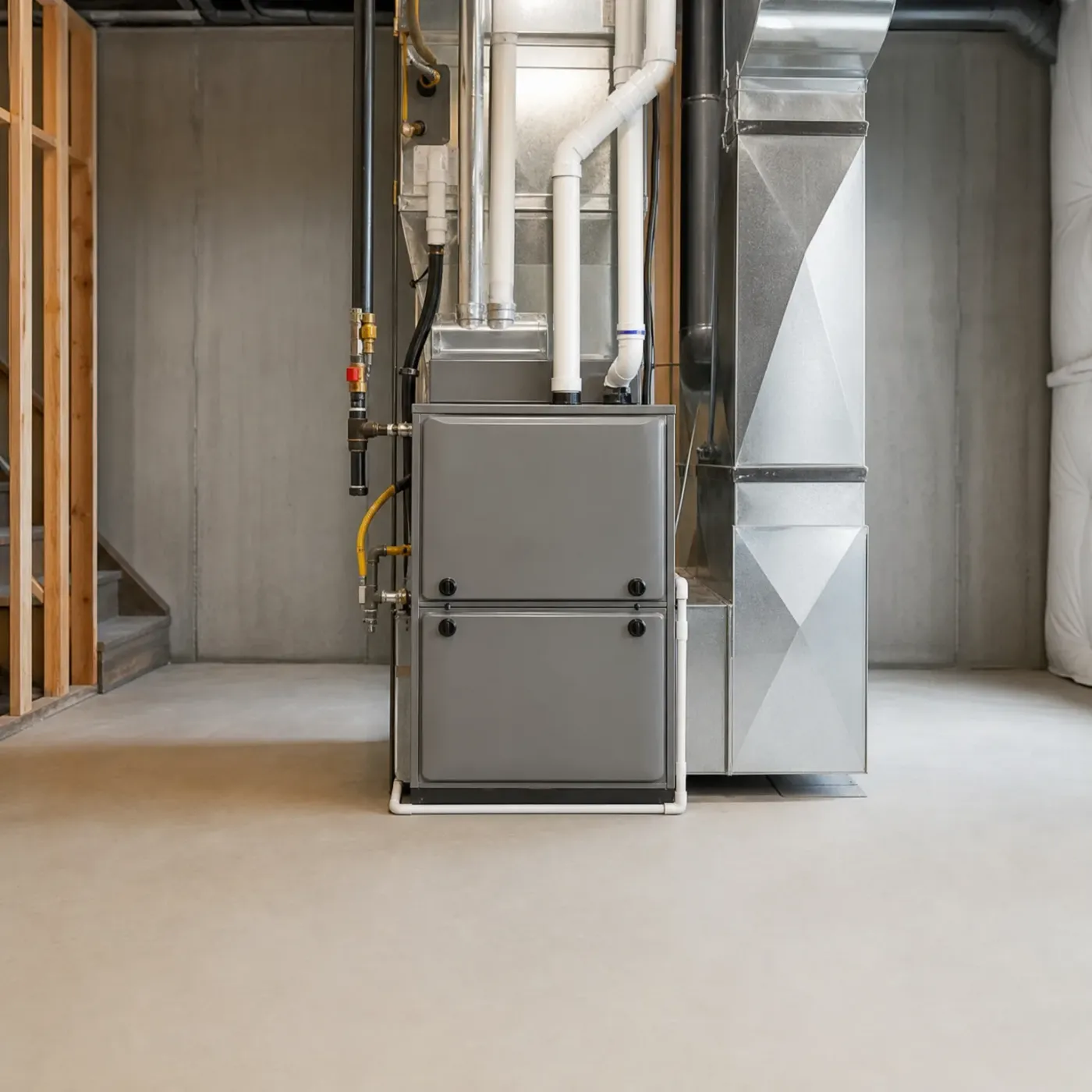
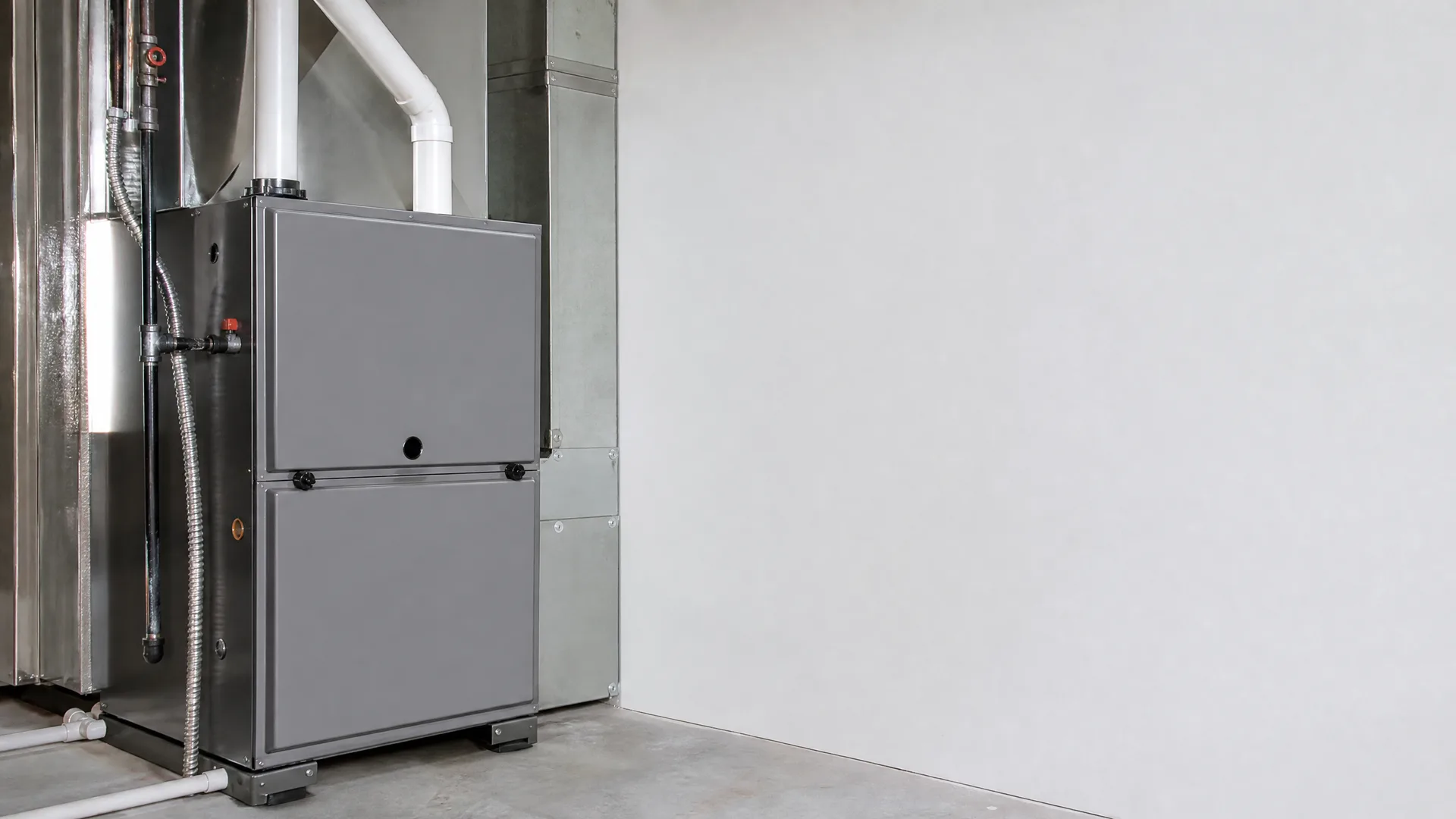
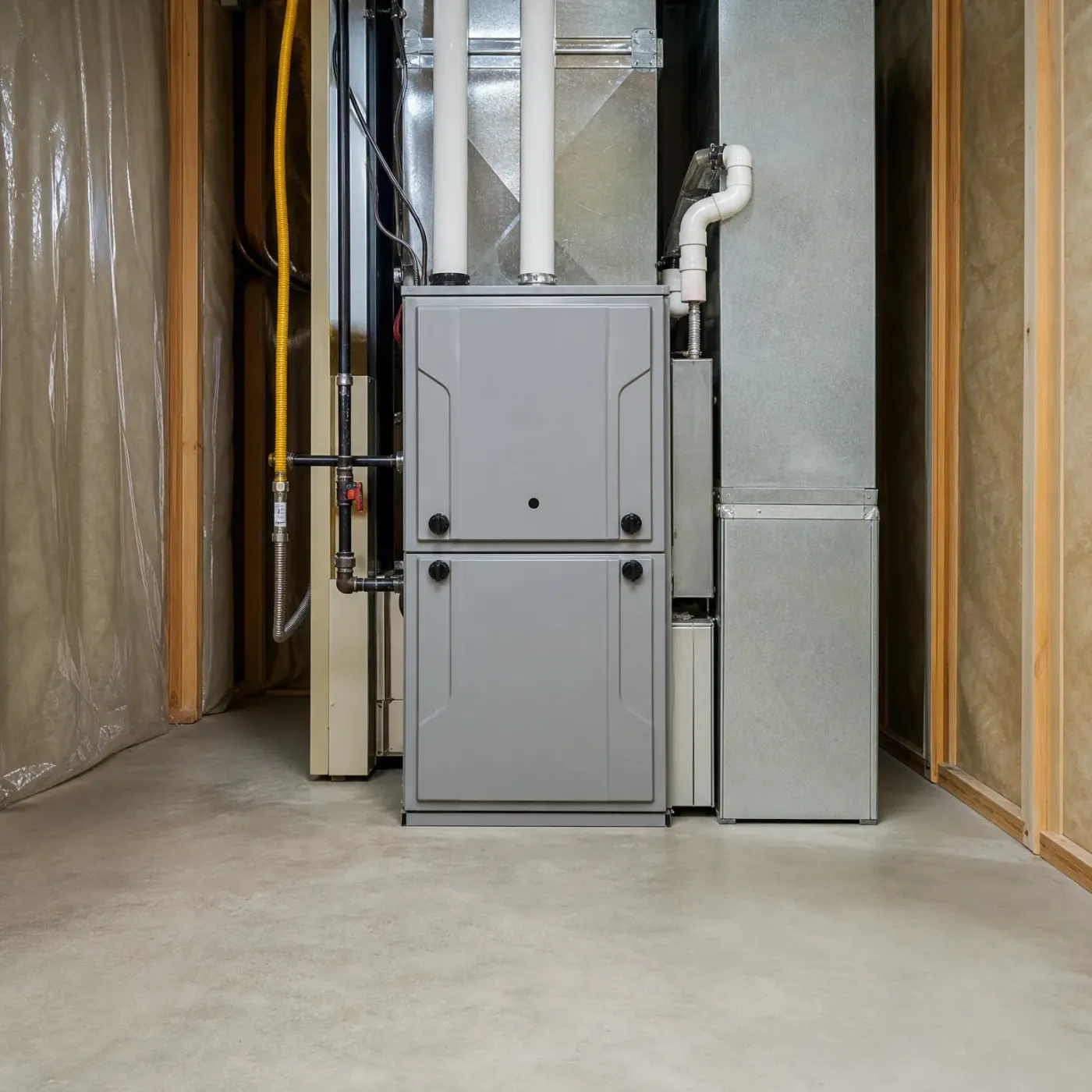
A gray high-efficiency furnace with white PVC vent pipes stands in an unfinished basement beside sheet-metal ductwork, gas piping, and insulated stud walls on a concrete floor.

Running the way it should

The burners light, the flame sits steady, and the furnace shuts off on its own once the house warms up. No rattling, no smell of exhaust near the unit, no short cycling. This is what a furnace that will carry you through a New York winter looks like doing its job.
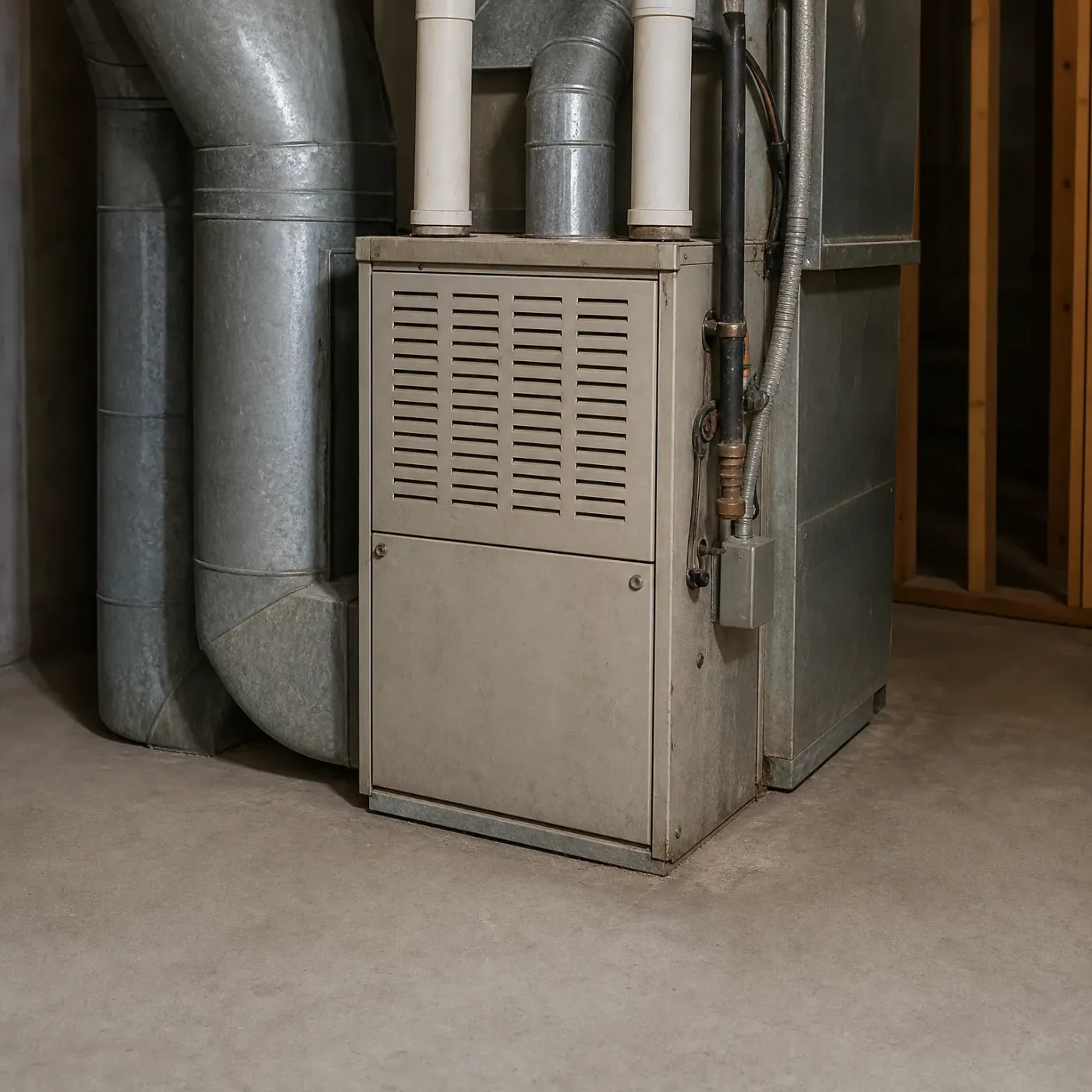

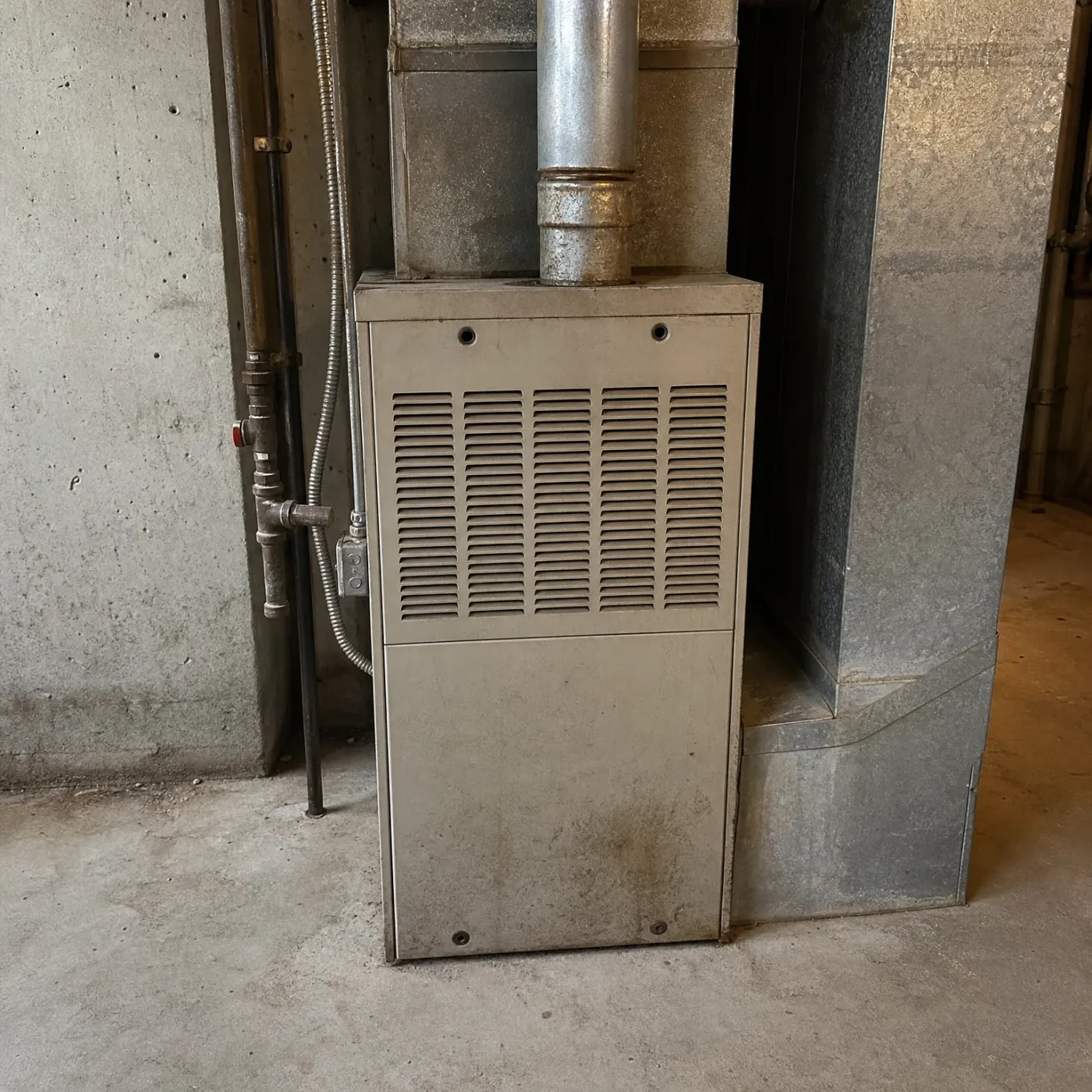
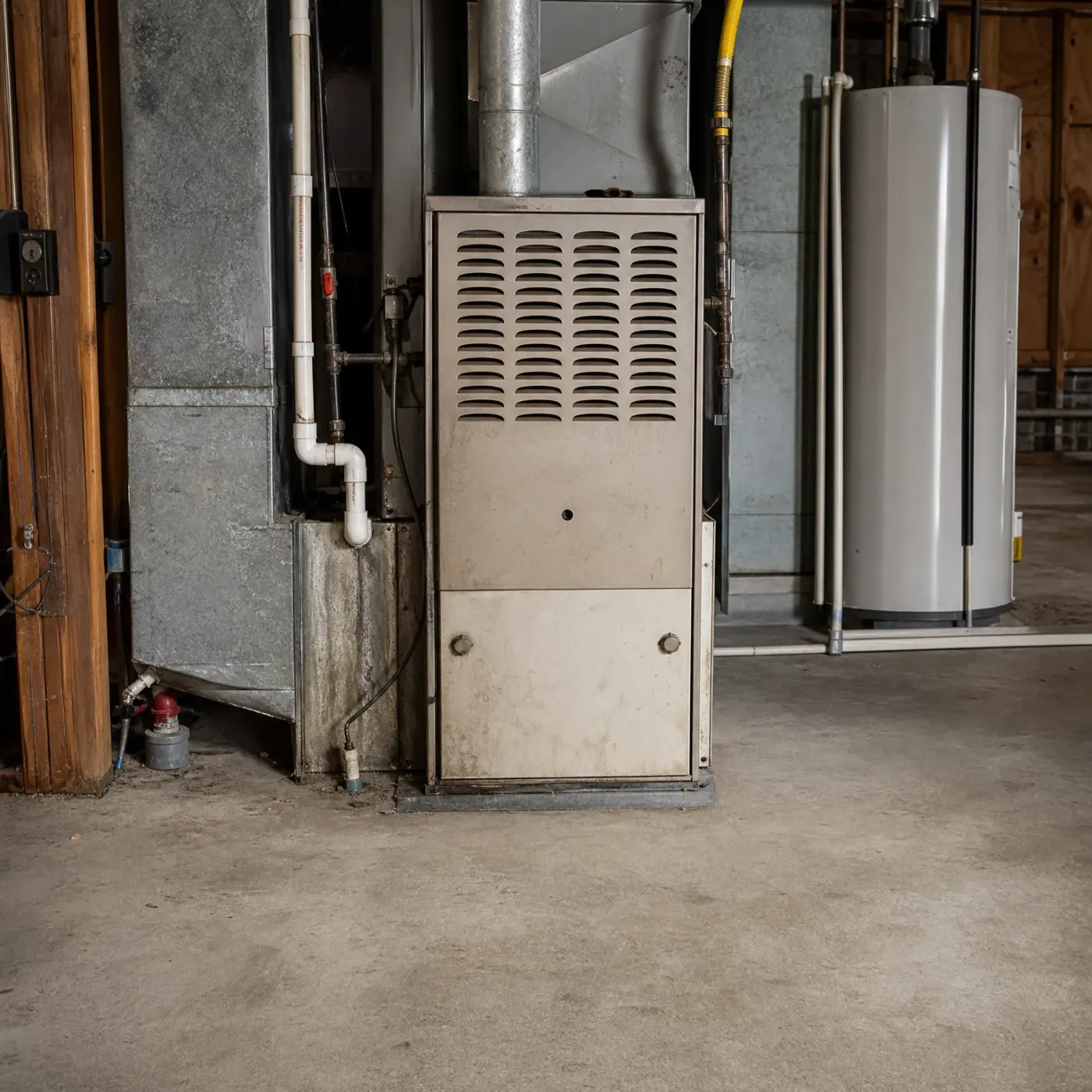
A beige sheet-metal furnace with a louvered upper panel stands on a concrete basement floor, connected to galvanized ductwork, white PVC vent pipes, and a metal gas line with an electrical box.

A furnace that's struggling

The cabinet looks fine, but it's running longer than it used to and cycling more to hold the same temperature. Rust near the burner compartment, a yellow flame instead of blue, or soot around the access door are signs the furnace is wearing out, not just having an off day.

A smiling bearded man in a navy crewneck sweater sits at a dinner table with a glass of red wine, plates and glasses in the foreground, in a dimly lit room with a lamp and framed picture behind him.
A woman in a dark gray sweater reclines on a light sofa with eyes closed and a slight smile, under a textured gray blanket with an open book resting on her lap, with a lit table lamp and plant in the background.

15 to 20 years

That's the typical working life of a gas furnace. If yours is past that mark and showing any of the signs above, a repair may only buy a short reprieve.

Find a licensed furnace pro

One cracked part can shut off the gas

A furnace's flame sensor or limit switch will cut gas flow if it senses something wrong. That's a safety feature doing its job, not a sign the unit is finished.

Find a licensed furnace pro

What would you actually notice this winter

You'd catch it at night, probably, when the house goes quiet and the furnace is the only thing you can hear. A clicking that doesn't turn into a flame. A burner that lights with a bang instead of a steady whoosh. The blower running on and on without the rooms actually warming up, so you nudge the thermostat higher and it still doesn't catch. Maybe a smell near the furnace that wasn't there last year. None of this means you're freezing tonight. It means the furnace is already telling you something, and in January, with gas heat and New York electric rates what they are, a furnace working harder than it should costs you every single day it runs that way.

A gray high-efficiency furnace with white PVC vent pipes stands beside galvanized sheet-metal ductwork in a basement with a concrete floor, with a wooden staircase and railing at left.

Furnace keeping up

The blower pushes a steady stream of warm air through the vents, and the house holds its temperature between cycles. The burners fire clean, run a few minutes, then shut off until the thermostat calls again. You could go to bed on the coldest night of January and not think about it.

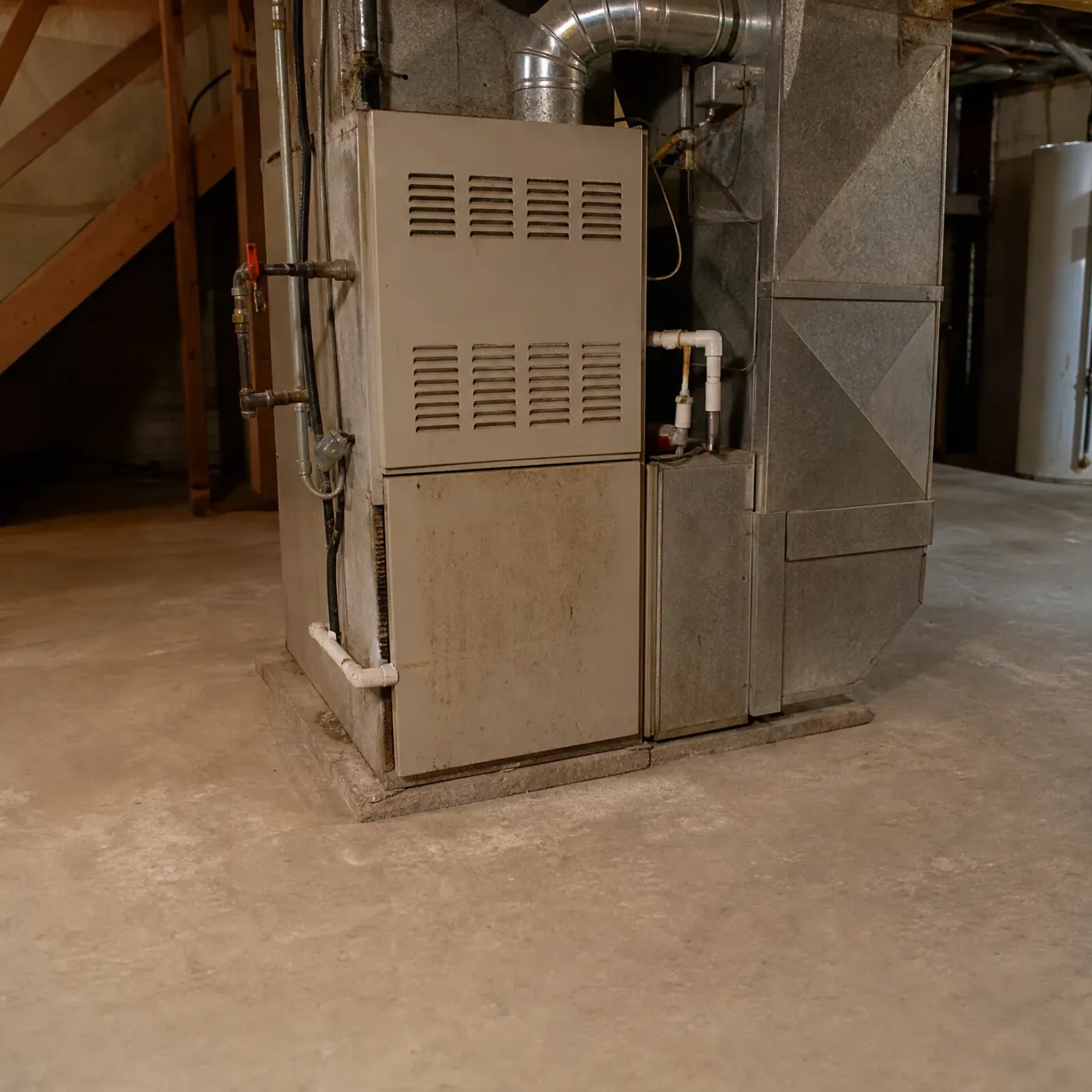
An older gas furnace with louvered panels sits on a concrete pad in a basement, connected to sheet-metal ductwork and PVC and metal pipes, with a water heater and wooden stair framing in the background.

Furnace losing ground

The furnace runs longer each cycle and still can't close the gap between what the thermostat reads and what the house feels like. Gas and condensate lines sit right there next to a unit working harder than it should. A furnace in this shape is one failed part away from not starting at all.

An older gas furnace with a louvered front panel stands on a concrete basement floor beside galvanized sheet-metal ductwork, a metal flue pipe, gas piping and a flexible conduit along a concrete wall.
Before you get your furnace repair
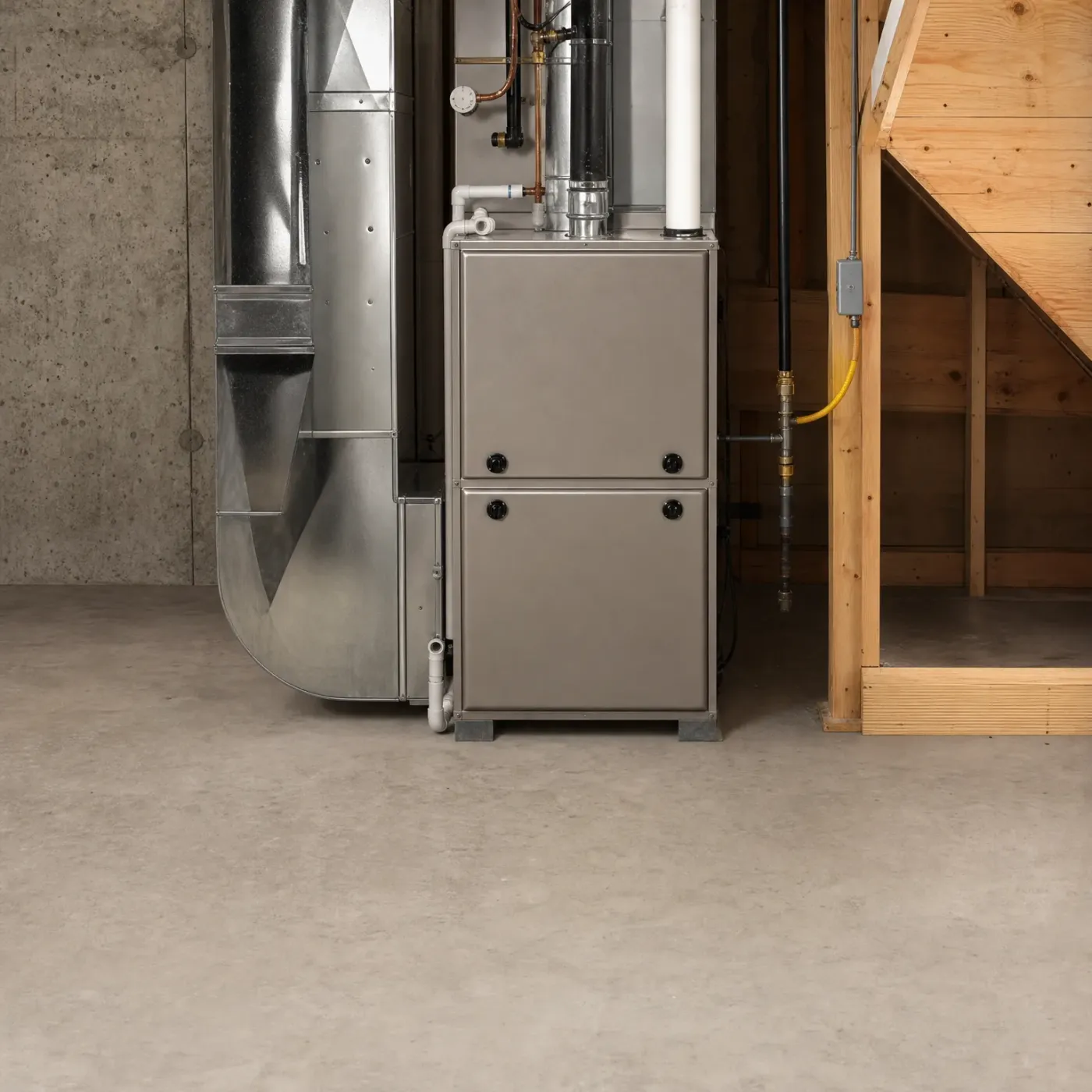
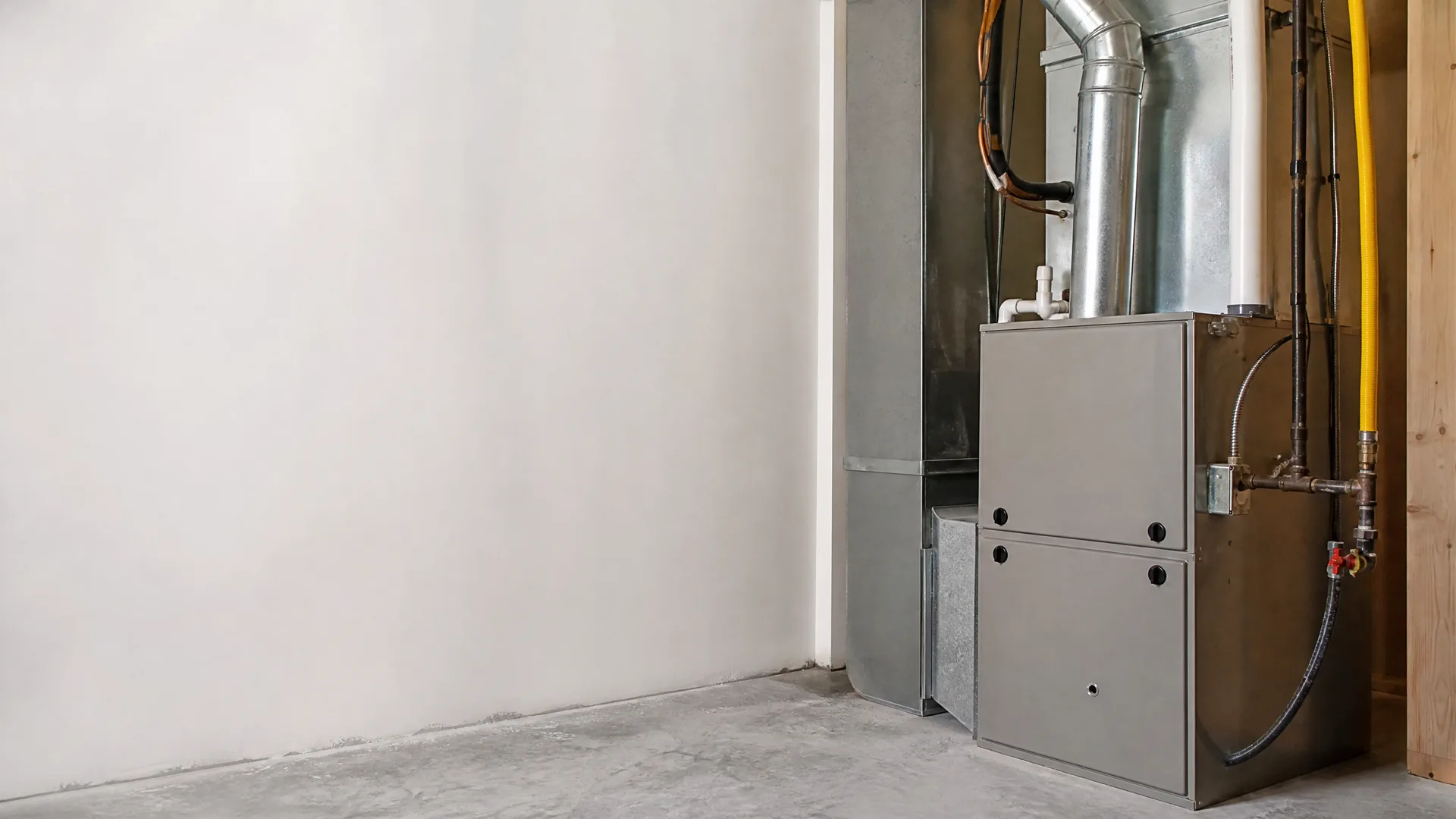
A gray furnace with sheet-metal ductwork, PVC vent pipes and a yellow gas line stands on a concrete basement floor beside wooden stair framing.
After you get your furnace repair

One form, no calling around

Your request goes to one pro, not a list of companies.

Sending the form costs nothing.

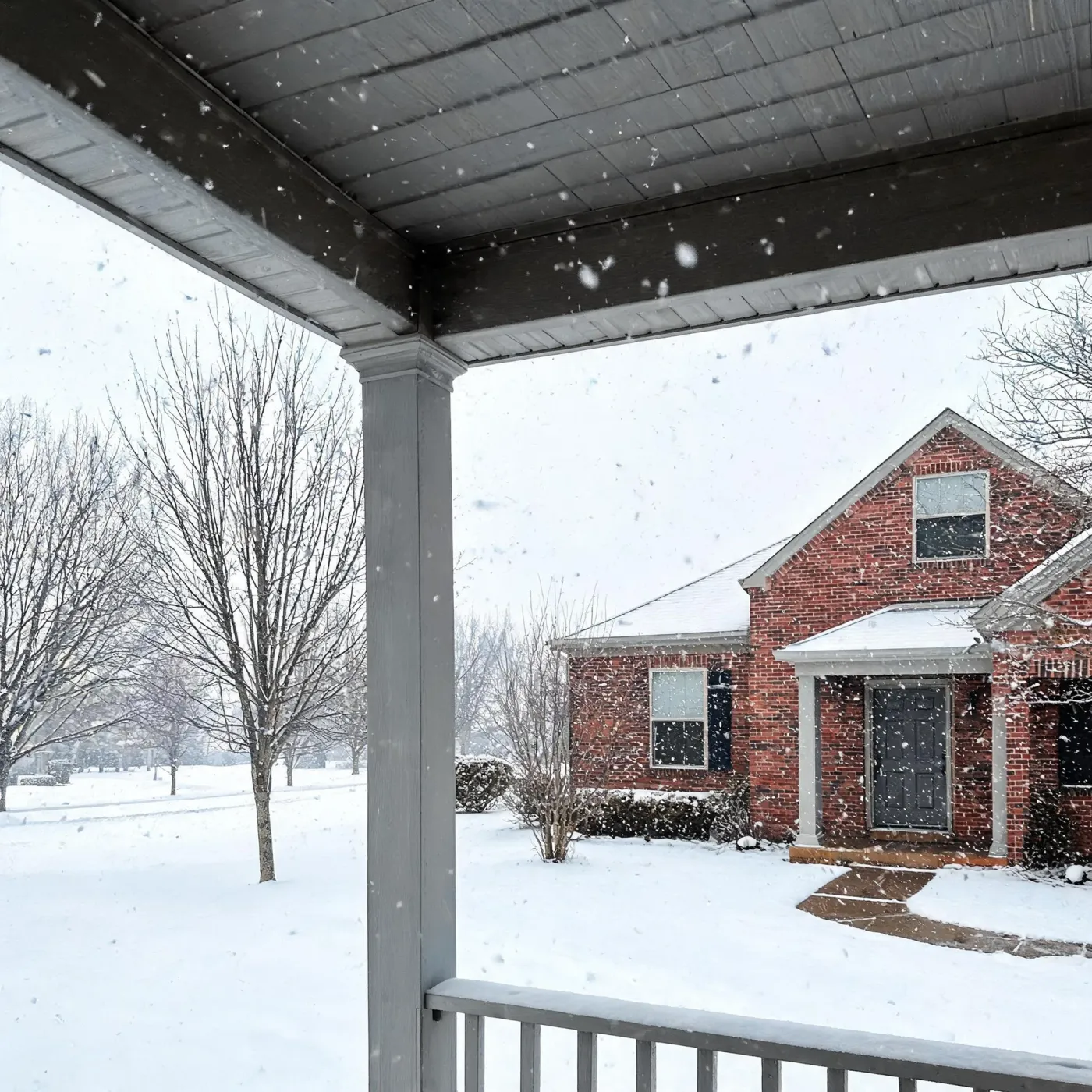
View from a covered porch with a white post and railing toward a red brick house across a snow-covered yard, with falling snow and bare trees.

Statewide, winter nights average 24°F. That's below freezing for hours at a stretch, every night, for months. A furnace that's struggling doesn't fail all at once in weather like that. It falls behind a little more each night, running longer to make less heat, until the house settles at 62 instead of 68 and stays there. You'll feel it first as a draft that wasn't there before, or a bedroom that never quite catches up no matter how long the furnace runs. At 24 degrees, a furnace has no slack left to work with. Whatever it's going to struggle with, it struggles with now. Source: NOAA average winter temperatures, New York

NOAA nClimDiv 1991-2020 county normals weighted by homes

A gray high-efficiency furnace in a basement with PVC venting pipes, a yellow gas line, metal ductwork, concrete walls and floor, and a wood-framed stairway at left.
A furnace like this is doing what it should: burners firing clean, flue running straight out through PVC, nothing loose at the gas line.
A beige furnace with a louvered front panel and metal ductwork stands on a concrete basement floor beside pipes and a white cylindrical water heater.
An older furnace like this, boxed in next to the water heater, is the one worth a second look before the cold really sets in.
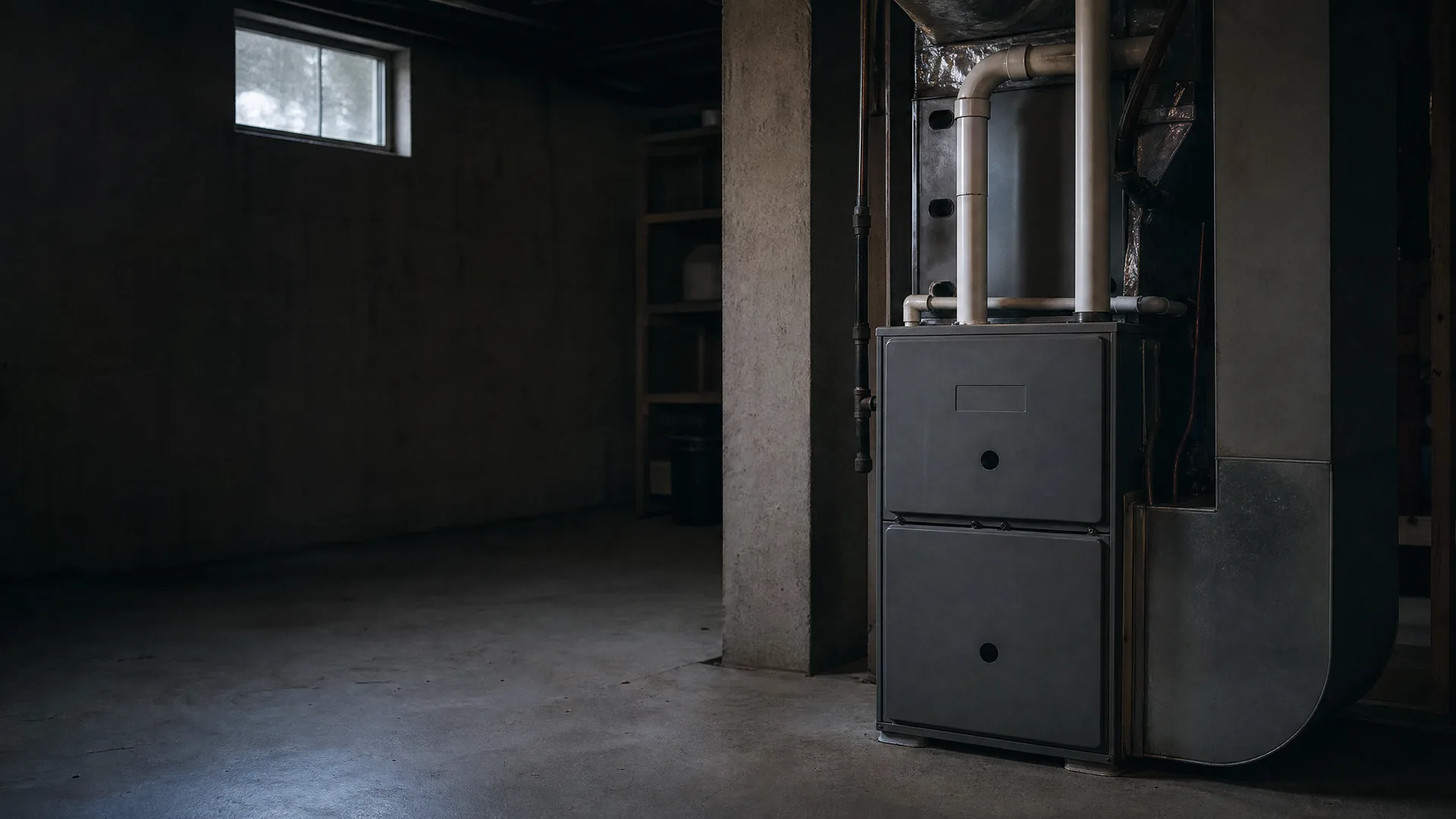
A gray high-efficiency furnace with white PVC vent pipes and attached ductwork stands beside a concrete support column in a dim, empty basement with bare concrete walls and floor and a small window.

It's past seven and already dark outside. You go down to switch out a load of laundry and the basement is quiet, quieter than it should be. The furnace sits there, dark, no blue light at the burner window, no hum from the blower. You touch the vent near the stairs and it's cold. A thin haze of dust hangs in the air by the cabinet, stirred up from somewhere inside it and not yet settled. Upstairs the thermostat still reads 61 and climbing down. You stand there a second, listening for a click that doesn't come, then go find the number for whoever worked on it last.

Winter nights average 24°F statewide

At 24°F outside, a working furnace cycles often to hold the house around 68. One that's failing won't recover between cycles, so the house drifts down a degree at a time until you notice it in your hands and feet before you see it on the thermostat.

NOAA nClimDiv 1991-2020 county normals weighted by homes

A gray high-efficiency furnace with two access panels stands in a bare basement corner, connected to sheet-metal ductwork, white PVC vent pipes, and flexible gas and electrical lines.

Wait and watch it longer

You keep an eye on it. Maybe it's just the cold snap, you tell yourself, and the furnace will settle down once temperatures level off. Some weeks it seems fine. Other nights the burners bang on and the house still feels cool by morning. You adjust the thermostat up a degree, then two, and the gas bill climbs while the rooms upstairs stay cooler than the ones downstairs. Nothing fails outright, so there's never a clear moment to act.

A gas furnace with metal ductwork, copper and yellow gas piping stands against a wall in an empty room with a bare concrete floor.

Get it looked at now

A local contractor who services furnaces all winter can tell you in one visit whether that banging is a dirty burner or a cracked part, and whether the short cycling is the thermostat or the flame sensor. You call one company, not three, and you don't repeat the story of what the furnace is doing to a different voice each time. If it's fixable, you know before the next hard freeze instead of during it.

A furnace that short cycles, runs without catching up, or shows a burner flame that looks wrong isn't going to get better on its own once the cold sets in for real. Those are the signs, and you've got them now, before the nights at 24 degrees turn into a stretch of them. What happens next is one call, to one contractor, licensed and working in New York, who sees this same furnace, this same age of equipment, every winter and knows which of these signs means a part needs replacing and which means the whole thing is done. No listing five companies, no explaining the banging burner or the cold upstairs bedroom over and over to whoever picks up. You already know what you're hearing in that basement. The next step is getting someone who knows it too, standing in front of it, before the next cold snap finds out for you.

A dark standing-seam metal roof with a stone chimney and metal cap, seen against a backdrop of autumn-colored forest and layered hills under an overcast sky.

Skip the search

Answer a few questions

You're not committing to anything by asking.

A furnace that's already struggling doesn't need a long cold snap to fail, just one bad night. Send the request now and skip calling around for quotes. A local contractor who works on these furnaces all winter will know what to check first.