 Let a pro reach out
What size furnace a New York home needs
Send the form and the search for an installer is over.
A furnace that's too big for your house cycles on and off all winter, and one that's too small runs flat out on the cold nights and still can't keep up. Getting the size right takes more than square footage. It depends on your windows, your insulation, how your house is laid out, and a few other things a load calculation accounts for and a guess doesn't.
That calculation is a job for someone who does it on homes like yours, in winters like the ones New York gets. Gas heat is the standard here, and a furnace that's sized wrong will show it on the bill every month from October through March.
This page can get you to someone who sizes and installs furnaces for a living, local to you, licensed to do the work. Send the form and the search is off your plate. You're not fielding calls from five different companies trying to win the job. One contractor gets it, a person who works on this equipment all season and has a good sense of what size holds up in local winters and what doesn't.
From there it moves without you pushing it. No chasing quotes, no sitting on hold. You did the part that was yours to do, which was asking the question. What comes next, the sizing, the quote, the install, is the contractor's job, not yours.
What size furnace do I need for my house in New York?
There's no single number that works, because the same size house in New York can need very different furnaces depending on what's holding the heat in. Your neighbor's 2,000 square foot house and yours might call for furnaces two sizes apart. A contractor figures this out with a heat loss calculation that looks at your walls, windows, attic and how much cold air gets in, not a chart based on square footage alone.
A proper sizing depends on a heat loss calculation, not square footage
The right furnace size comes from a Manual J heat loss calculation, which weighs your insulation, your windows, your ceiling height and how much air your house loses against the cold outside. A square footage chart skips all of that, which is why two houses the same size can need furnaces with very different output. New York winters push outdoor temperatures well below freezing for months, so a furnace sized too small will run constantly and still lose ground on the coldest nights. One sized too big short cycles, wearing out its parts faster and leaving rooms feeling uneven. With gas heating the norm here and power rates among the highest in the country, getting the size right the first time matters more than it would somewhere milder.




Rule of Thumb vs. Load Calculation
Guess by square footage
- A rule of thumb gives you one number no matter what your walls, attic, or windows are doing to that heat once it's inside.
- A furnace sized this way often comes back oversized, because the easiest way to be safe on paper is to round up.
- An oversized furnace heats your house fast, shuts off, and starts again within minutes, all day long.
- That short cycling wears on the igniter and the blower motor years before they'd otherwise quit.
- You pay for a furnace with more capacity than your house ever asked for, and you pay to run it that way too, with power rates in New York being what they are.
Load calculation
- A contractor measures your house room by room: window area, insulation, ceiling height, how much of the place faces north.
- The output is the actual number of BTUs your house loses on the coldest night, not an estimate rounded to the nearest size.
- A furnace sized this way runs longer, steadier cycles, which is what keeps a house at an even temperature instead of swinging.
- Longer cycles also mean less wear on the parts that start and stop the heat, since they're not doing it every few minutes.
- It takes a visit and some time with a tape measure and a form, instead of one line of math.
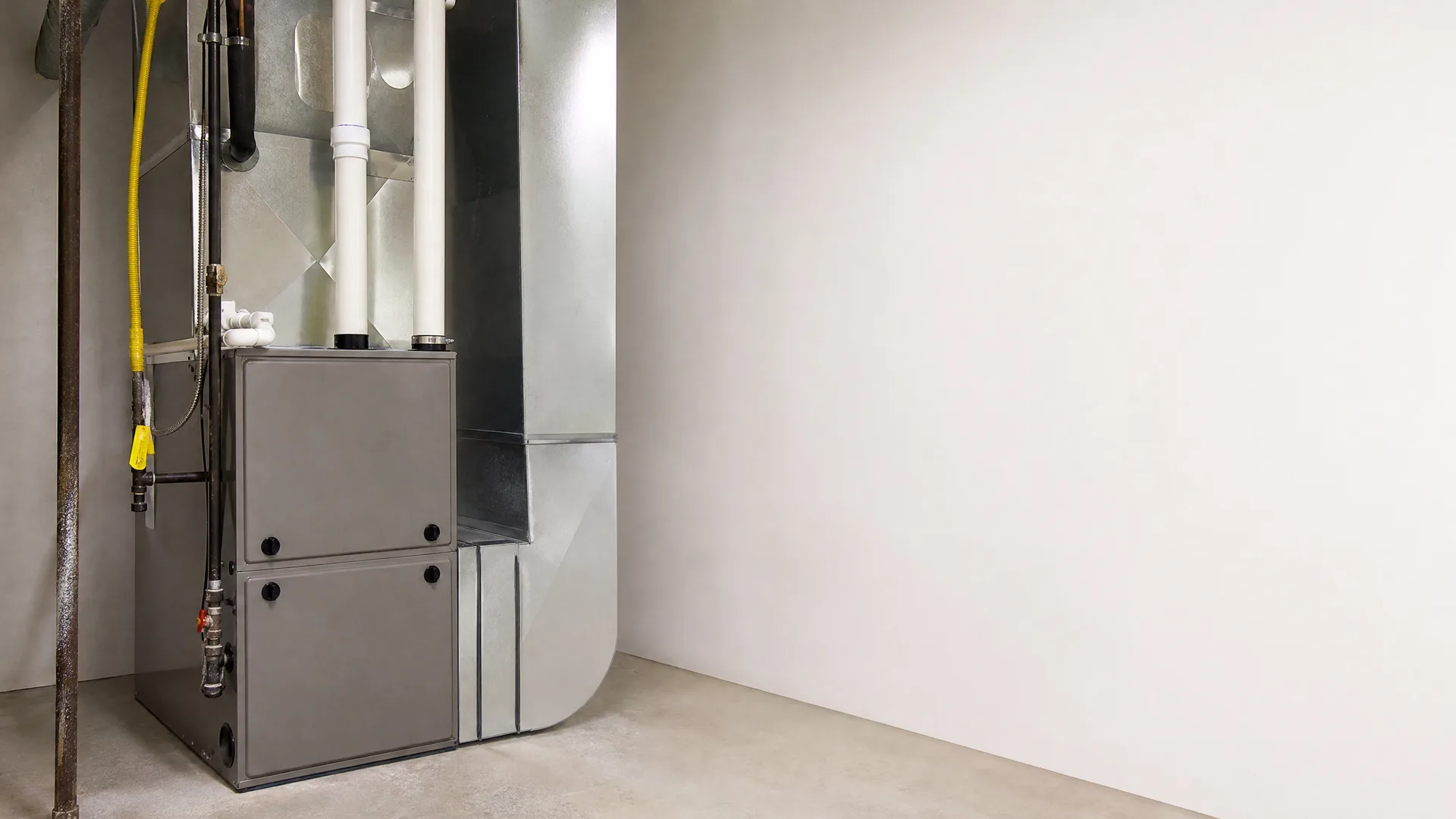
Why the math is called a load calculation
A contractor doing this right works out how fast your house loses heat on the coldest night, room by room. That means measuring every wall and window, checking which way they face, and looking at how much insulation sits above your ceiling. Two houses built from the same plan can come out with different numbers once one has an added-on sunroom or a finished basement the other doesn't.
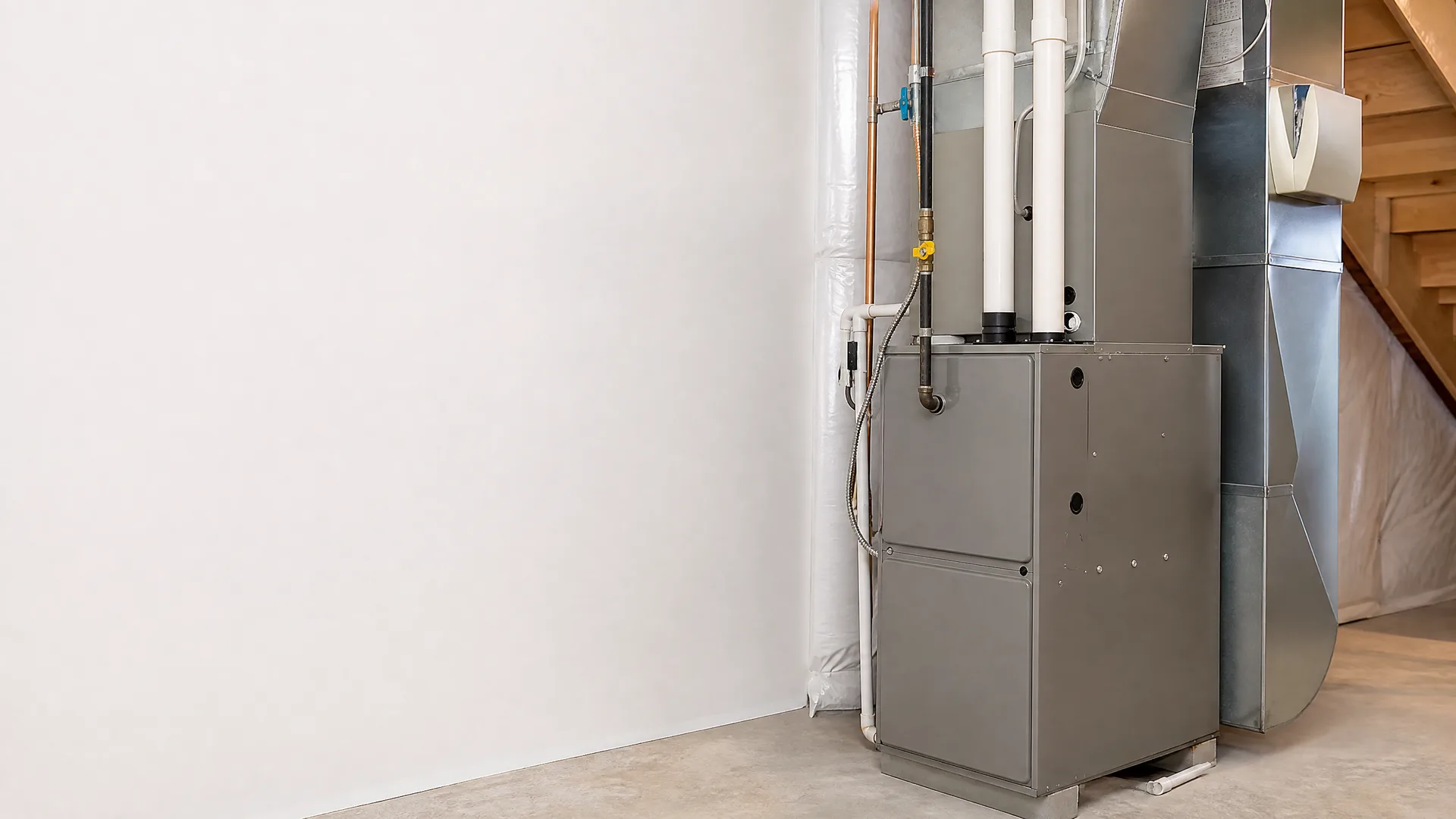
What an oversized furnace actually does
A furnace that's too big heats your house fast, then shuts off before it's pulled the damp air down, so rooms feel warm but clammy and the air never fully circulates. It also means more cycles each day, which puts more wear on the igniter and blower motor over the years. With electricity rates in New York among the highest in the country, every one of those short, frequent cycles is pulling power you didn't need to spend.
Winter nights average 24°F statewide
24°F is a nighttime average, not the coldest it gets, so your furnace has to be sized for nights colder than that. A unit sized off square footage alone can leave you short on those nights, right when you need it most.
NOAA nClimDiv 1991-2020 county normals weighted by homes
A furnace that's too small for your house runs the coldest nights nonstop and still leaves the rooms farthest from the furnace cold, so you end up heating the house with space heaters anyway.
A furnace that's too big costs you more to install than you needed to spend, and keeps costing you every month after, because New York's power and gas rates punish a furnace that cycles instead of runs steady.


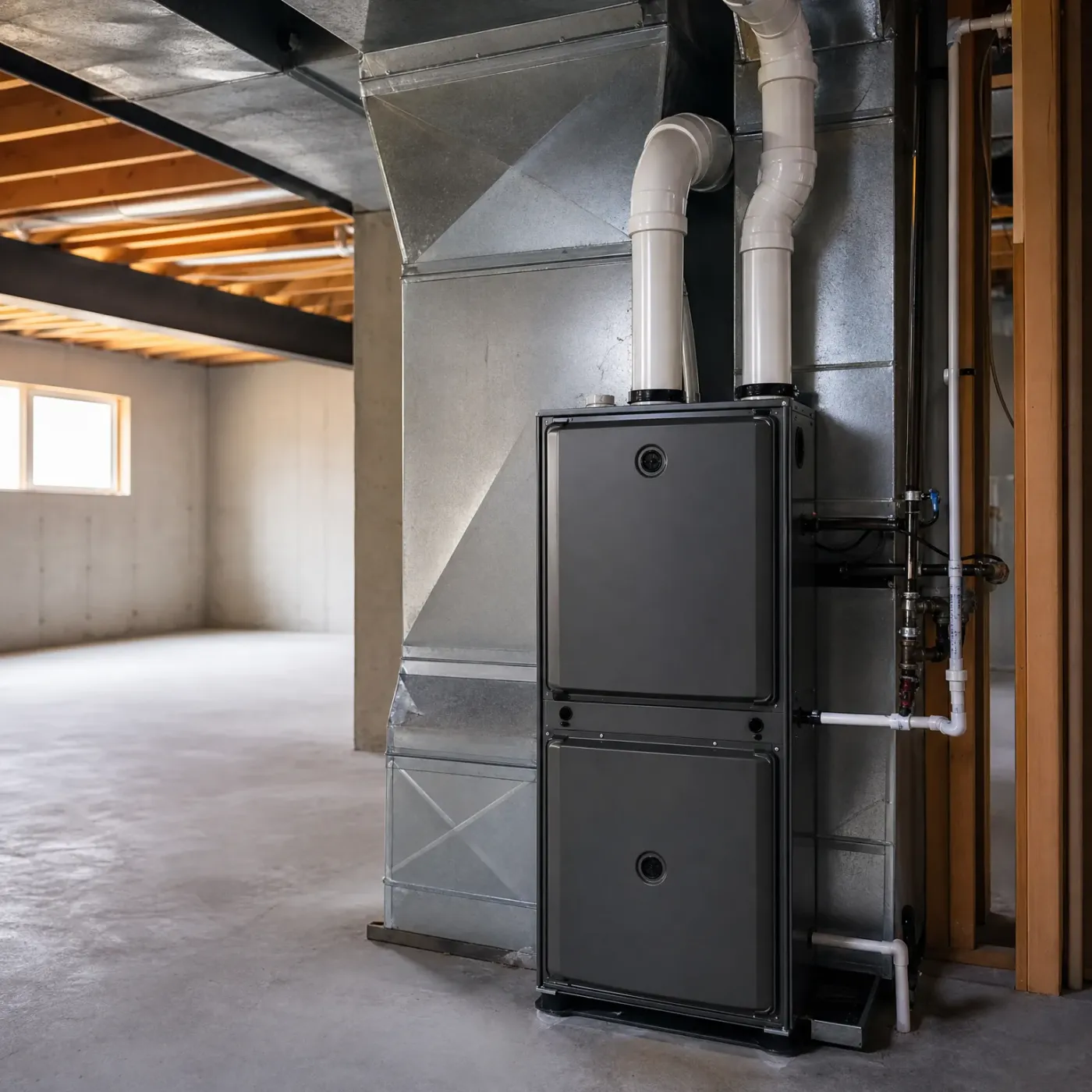
Finding a pro stops being your job
One installer gets your project, so there's no bidding war over it.
Send it once and finding someone is no longer on you.
No charge to send it. You decide if you hire them.
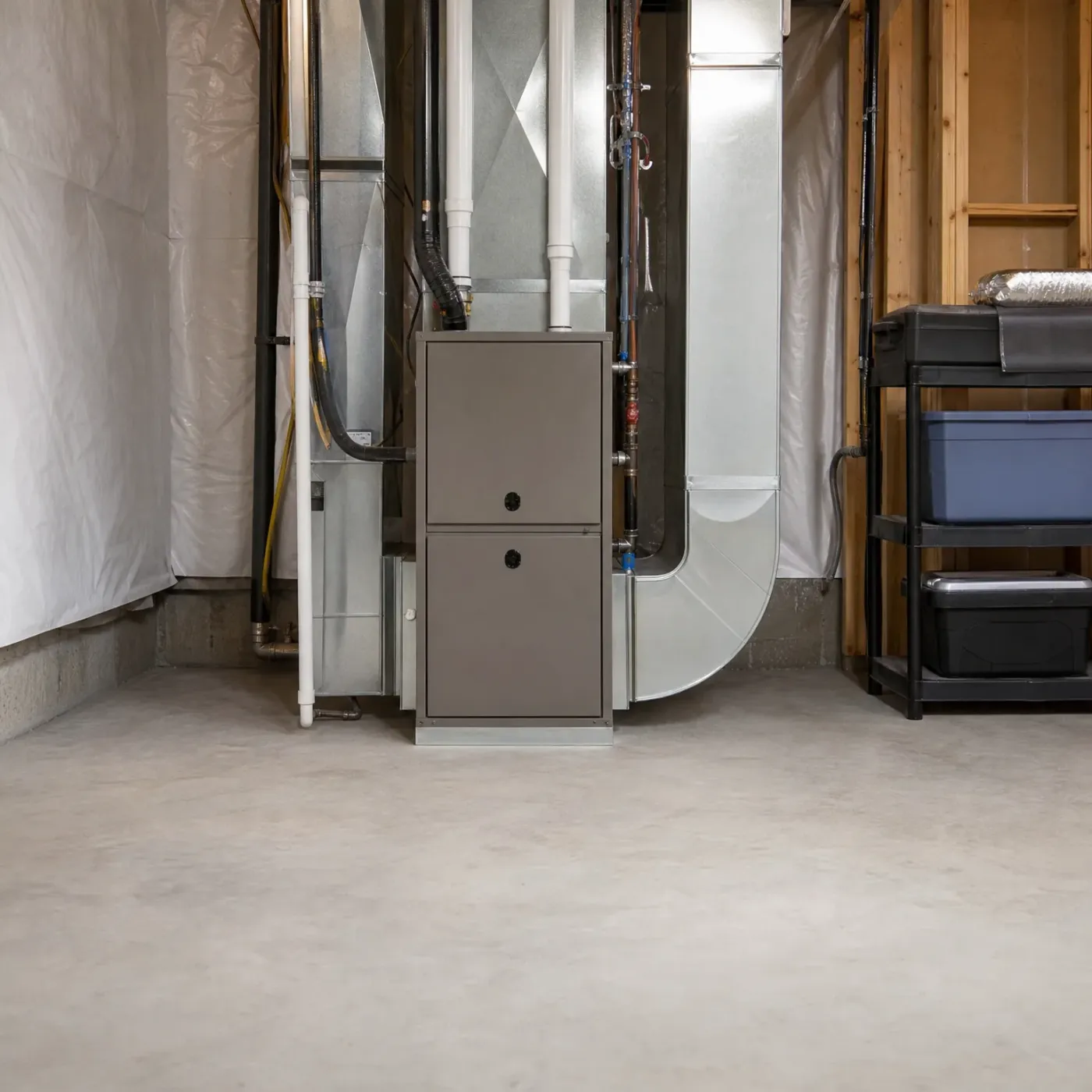
How a load calculation works
- A Manual J load calculation sets the furnace size, not a chart matched to your square footage.
- A contractor measures every wall, window and door, then figures the heat lost through each one on the coldest night.
- Your attic and wall insulation levels change the result more than the size of the house does.
- Duct losses count too, since a furnace feeding leaky or undersized ducts needs to make up for what never reaches the register.
- The output gets checked against your local design temperature, not the average winter night.
- Two furnaces with the same BTU rating can still perform differently depending on how well they match your duct system's airflow needs.
A load calculation starts at the walls and windows, not the floor plan. A contractor goes room by room, noting which way each window faces, how many panes it has, and what's behind each wall. South-facing glass gains heat differently than a shaded wall on the north side, and that difference shows up in the final number. Insulation matters more here than most homeowners expect. Two houses the same size can need furnaces several sizes apart if one has a well-insulated attic and the other doesn't. The ductwork gets factored in too. If the ducts run through an unheated attic or crawlspace, or if the runs are long and narrow, some of the heat never makes it to the register, and the furnace has to be sized to cover that loss. All of this gets checked against the design temperature for your area, which is colder than what you'd see on an average January night, because the furnace still has to keep up when the temperature drops below that average. A furnace sized this way should run in long, steady cycles rather than short bursts. Two units rated at the same BTU output can still behave differently once installed, because one might be paired with ductwork that can't move enough air to use that capacity well. That's why the sizing and the duct system get looked at together, not as separate steps. A contractor who does this work regularly in New York knows which of these factors tends to get missed and checks for it directly.
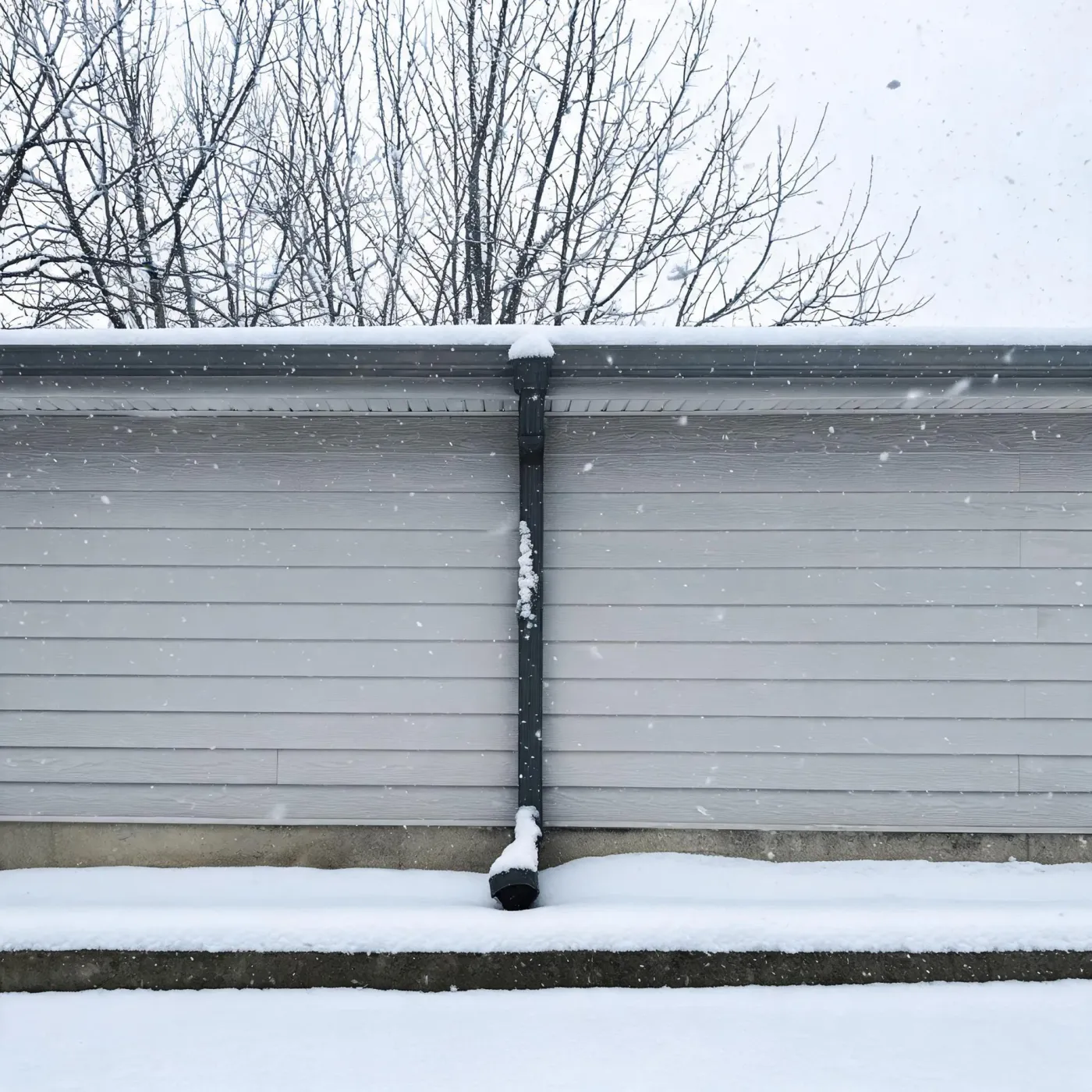
On a cold night here, your furnace isn't working against the daytime high, it's working against the overnight low, and statewide, winter nights average 24°F. That's below freezing for hours at a stretch, so the furnace has to hold steady output long after the sun's been down. If it's sized right, you won't notice much beyond the heat staying even room to room. If it's undersized, you'll feel it first in whichever room is farthest from the furnace, going cold while the system runs flat out and still can't catch up.
Source: NOAA climate normals
NOAA nClimDiv 1991-2020 county normals weighted by homes
The right furnace size for your house comes from a load calculation, not a square footage chart, and that's the number worth paying for before anything gets installed. A contractor who works in New York homes all winter has seen what the cold nights here do to a furnace sized off a guess, and knows which rooms end up cold and why. When you request an installer through this page, you're matched with one licensed local contractor, not a handful competing for your call, so the person who shows up is the one actually doing the work and sizing it for your house. Get the size right and the furnace runs long, steady cycles through the coldest nights and holds every room at temperature. Get it wrong, in either direction, and you're paying for it every month gas and electric bills come due, on a system that still doesn't keep you warm.
Let someone else find the pro
Only one pro gets your request, so you hear from one company.