What temperature to set the heat in a New York winter

A local pro who services furnaces gets in touch about the tune-up.

Find my pro

Most homes in New York do well with the thermostat set between 68 and 70 degrees during the day, and five to seven degrees lower at night. That range keeps the furnace running in steady, shorter cycles instead of fighting to catch up after long periods off. Every degree above 68 adds to what your furnace burns over the winter, and with gas prices here it adds up over months of cold weather. Pushing the setting much lower doesn't save as much as people expect, since the furnace has to work harder to recover the lost heat. If a room still feels cold at these settings, the issue usually isn't the thermostat number. It points to something in the system itself, like a furnace that's losing efficiency or airflow that isn't reaching that room the way it should. That's worth having looked at before another winter goes by.

A woman with long gray hair wrapped in a checked blanket sits on a sofa by a window with yellow autumn foliage outside, with a lamp, framed picture and plant in the background.
An older woman in a cream knit sweater sits on a sofa by a window, looking out at sunlit trees with yellow and orange autumn leaves, with a bookshelf and lamp behind her.
A woman with gray shoulder-length hair in a dark knit sweater sits on a cushioned seat by a window, looking out at yellow autumn foliage, with a living room, armchair, houseplant and framed picture behind her.
An older woman with gray hair in a bun, wearing a cream knit sweater, sits on a sofa with a gray blanket and looks out a large window toward yellow-green autumn trees, with a lit table lamp and dark armchair behind her.
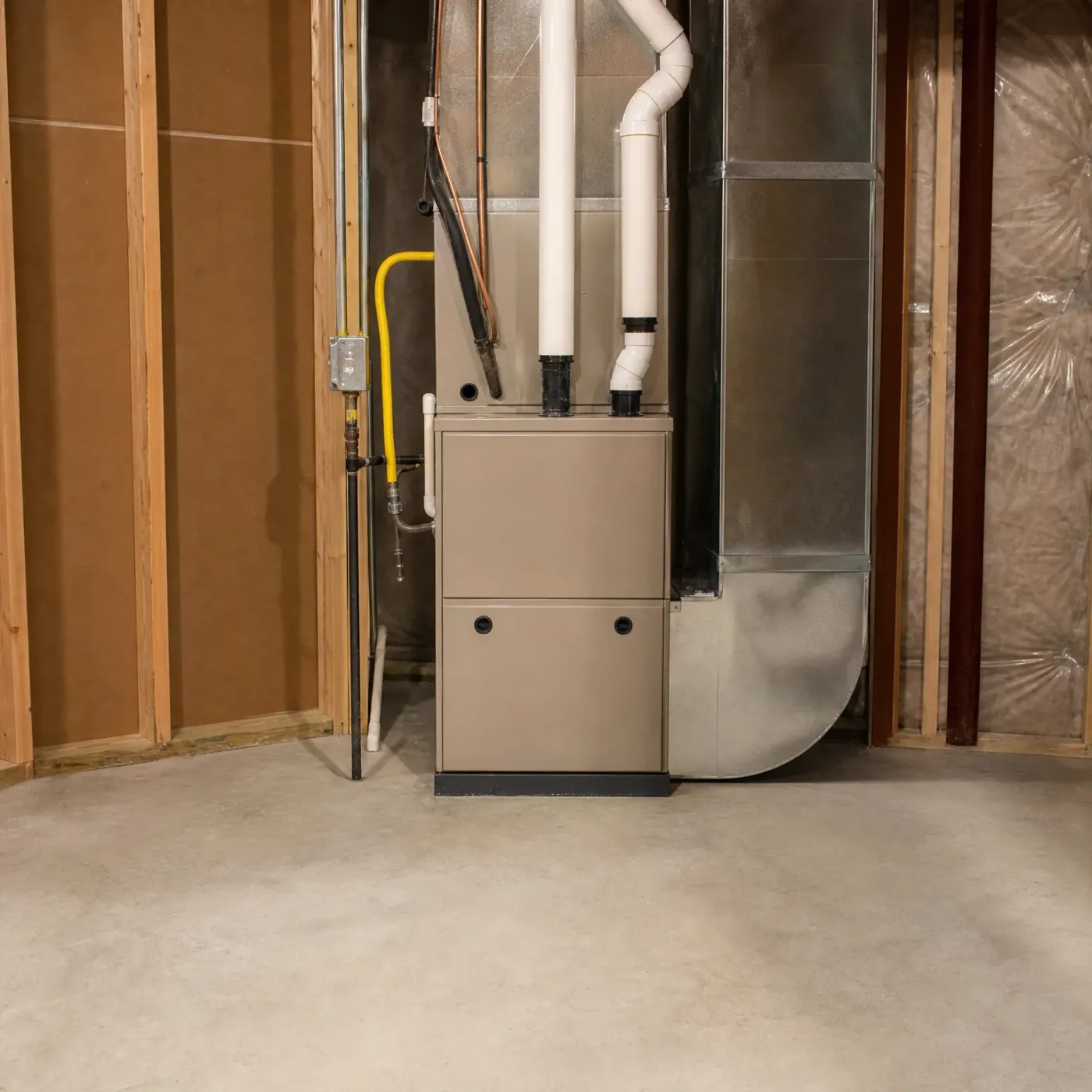
A beige high-efficiency furnace in an unfinished basement, with white PVC vent pipes, a yellow gas line, metal ductwork, and exposed wood framing on a concrete floor.
A furnace running steady cycles at a set temperature heats evenly and keeps wear low on its igniter and blower.
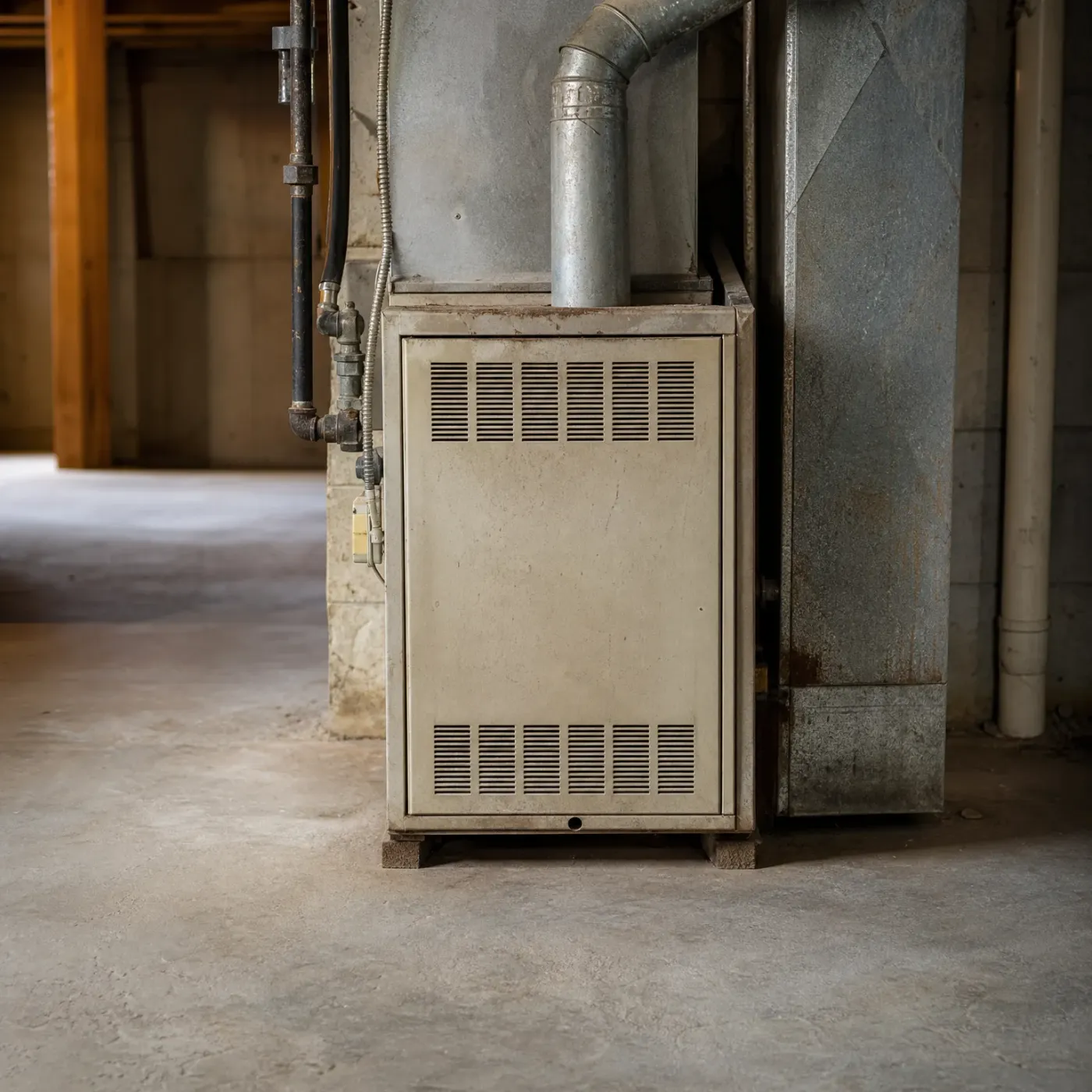
An older beige furnace with two louvered vent panels stands on a concrete basement floor, connected to galvanized ductwork and a metal flue pipe, with gas piping and flexible conduit on the wall behind.
A furnace pushed from a low setback to warm up fast works harder and shows its age sooner, like the flue and pipes on this unit.

Set the thermostat and the furnace waits for the room to fall below it. Once it does, the inducer motor spins up first to clear the vent, then the igniter glows and the gas valve opens. That sequence happens the same way every time, whether the gap it's closing is two degrees or ten. A big gap just means the burner stays lit longer to close it. This is why dropping the temperature eight or ten degrees during the day and expecting a quick bump back up at dinner doesn't save what people think. Most gas furnaces run at one fixed output. They don't ramp up harder for a bigger gap, they just run longer, often a solid hour or more if the setback was steep. The thermostat has no idea it's 20 degrees outside. It only knows the room is colder than the number you set and keeps the burner going until it isn't. A thermostat that steps the temperature down a few degrees at a time overnight, rather than one deep drop, keeps each recovery short and keeps the furnace cycling the way it's built to.

How the furnace actually responds

  • A furnace fires when the thermostat calls for heat, runs the inducer motor to clear the vent, then lights the igniter and opens the gas valve.
  • Setting the temperature too low during the day and recovering it quickly later asks the blower to run longer at full output, not less overall.
  • A setback of more than seven or eight degrees in New York often means the furnace runs continuously for an hour or more to recover, rather than cycling normally.
  • The thermostat does not know how cold it is outside, only the gap between the room and the setting, so a wide gap just means a longer burn.
  • Gas furnaces modulate less than people expect; most run at one fixed output, so the only real savings comes from fewer and shorter cycles, not a lower number on the dial.
  • A programmable or smart thermostat that steps the temperature down gradually overnight keeps the recovery short instead of forcing one long call for heat at once.
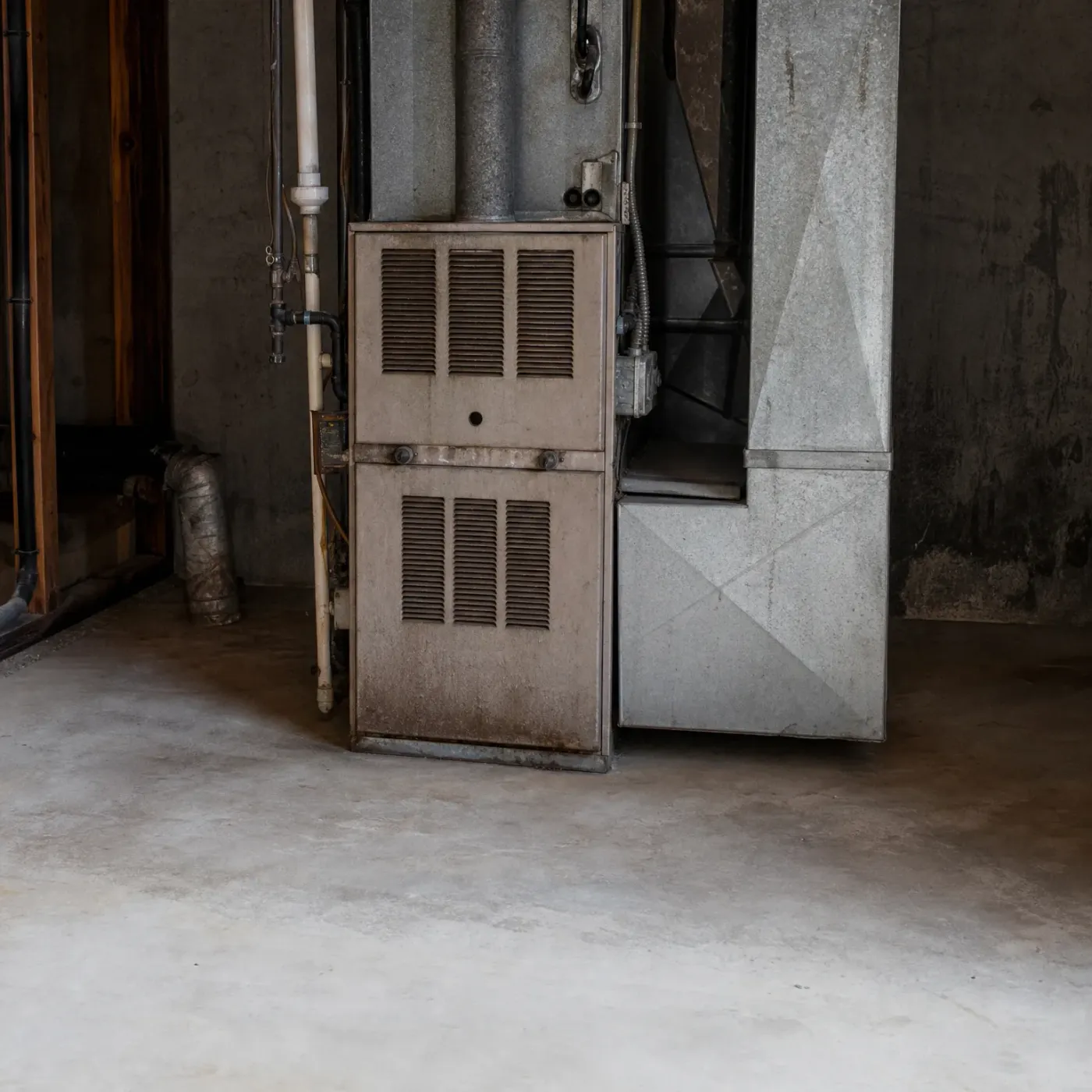
An older gas furnace with two louvered front panels stands on a concrete basement floor beside galvanized sheet-metal ductwork, pipes, and a weathered concrete wall.
Before you get your furnace maintenance
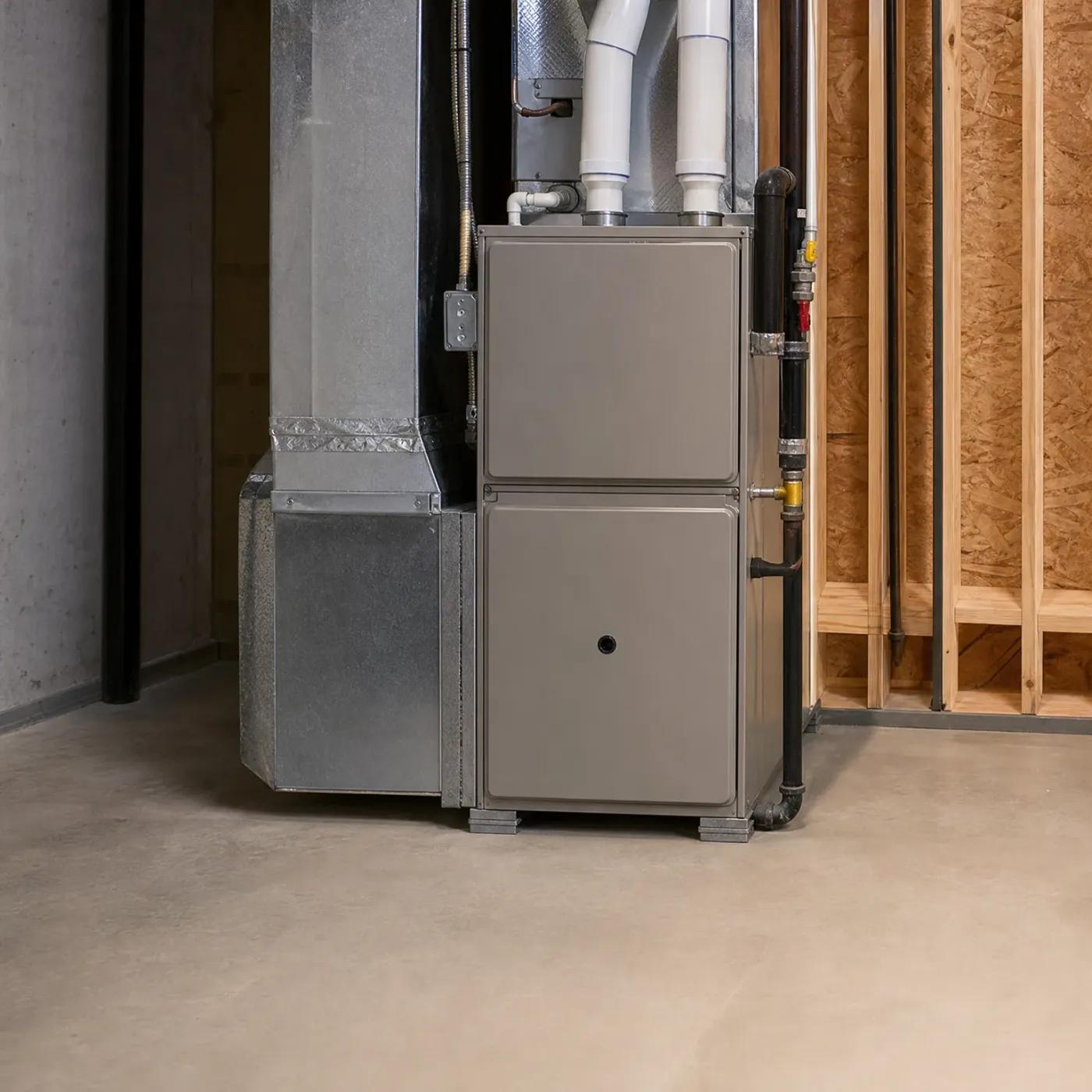
A gray high-efficiency furnace in a basement, connected to sheet-metal ductwork on the left and white PVC vent pipes above, with black gas and drain piping and an exposed wood-stud wall with OSB sheathing on the right.
After you get your furnace maintenance

What a Bad Setting Costs You

  • A setting held steady at 68 to 70 degrees means the furnace short-cycles instead of running long stretches to recover lost heat.
  • A thermostat dropped low during the day and pushed back up at night makes the blower run longer each time it fires.
  • Rooms farthest from the furnace feel the swings first, usually a back bedroom or a room over the garage.
  • Gas use climbs when the furnace has to recover several degrees at once rather than hold a steady line.
  • A furnace asked to recover fast wears its igniter and blower motor sooner than one running even cycles.
  • Power in New York costs more than in most of the country, so a blower running extra hours shows up on the bill.

Set the thermostat too low during the day to save money, then push it back up in the evening, and the furnace has to make up the difference all at once. That means a longer run every time it fires, not just a quick burst of heat. You will notice it first in whichever room sits farthest from the furnace. A back bedroom or a room above the garage loses ground faster than the rest of the house and takes longer to catch back up, so it feels colder even after the rest of the house is comfortable again. The furnace itself pays for this too. Recovering several degrees at once asks more of the igniter and the blower motor than holding a steady line does, and parts that work harder tend to wear sooner. None of this shows up as a single bad day. It shows up as a gas bill that runs higher than it should, since a furnace recovering lost heat burns more gas than one holding steady, and as a furnace that needs attention sooner than it otherwise would. Power here already costs more than most of the country pays, so added blower hours are not a small line item. Holding a steady setting during the day, with a modest pullback at night, keeps the furnace running the way it is built to run and keeps these costs from stacking up over the winter.

A woman in a cream knit sweater sits in an armchair with her eyes closed and a slight smile, beside an open window showing orange autumn foliage, with a mug, books and a lit candle on a small side table.
An older man with gray hair and a beard leans back on a beige sofa with his eyes closed, in a sunlit room with potted plants, a wicker chair and large windows behind him.

Get your furnace to the right pro

A thermostat that holds steady asks less of your furnace, but it still has to fire every time the house calls for heat, and with power costs what they are here, a furnace that short-cycles cleanly matters more in New York than almost anywhere else. An igniter that's wearing out, a blower that's pulling dirty air, or a pilot and burner that aren't tuned right will undo whatever you gain from a good thermostat setting. Maintenance catches those things before a January morning does. You've already got the number to set the dial to. What you can't see from the thermostat is the condition of the parts doing the work behind it. Getting someone out to look at the furnace now, before the cold settles in for good, means one less thing on your list when the temperature drops and stays there.

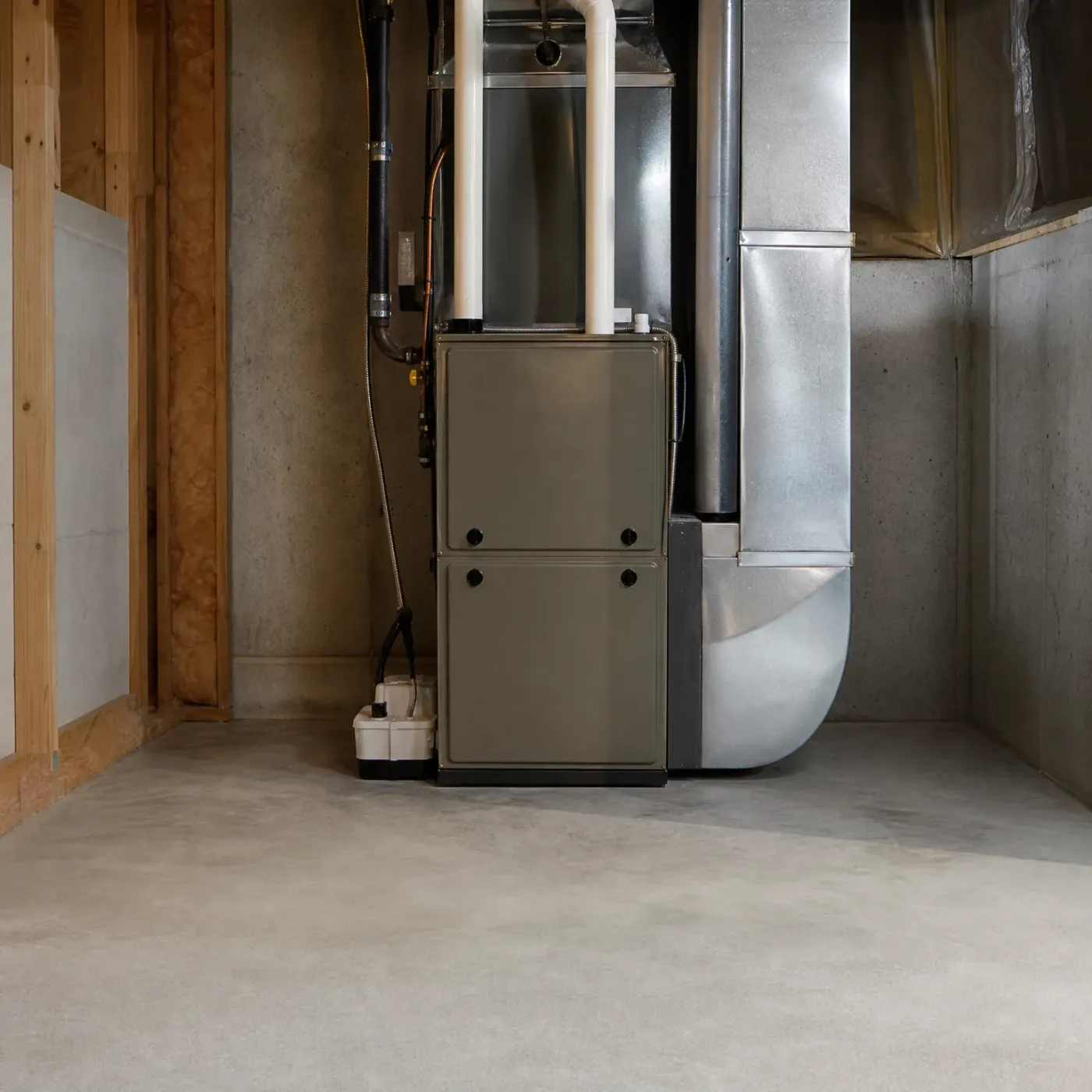
A gray high-efficiency furnace with white PVC vent pipes stands against a concrete basement wall beside sheet-metal ductwork, a small condensate pump on the floor, and exposed wood framing at left.

Running clean

This furnace vents through PVC pipe and ties into a condensate pump at the base, the setup you get with a high-efficiency unit. Held at a steady temperature, it fires, clears the inducer, lights, and settles into a normal cycle without strain.

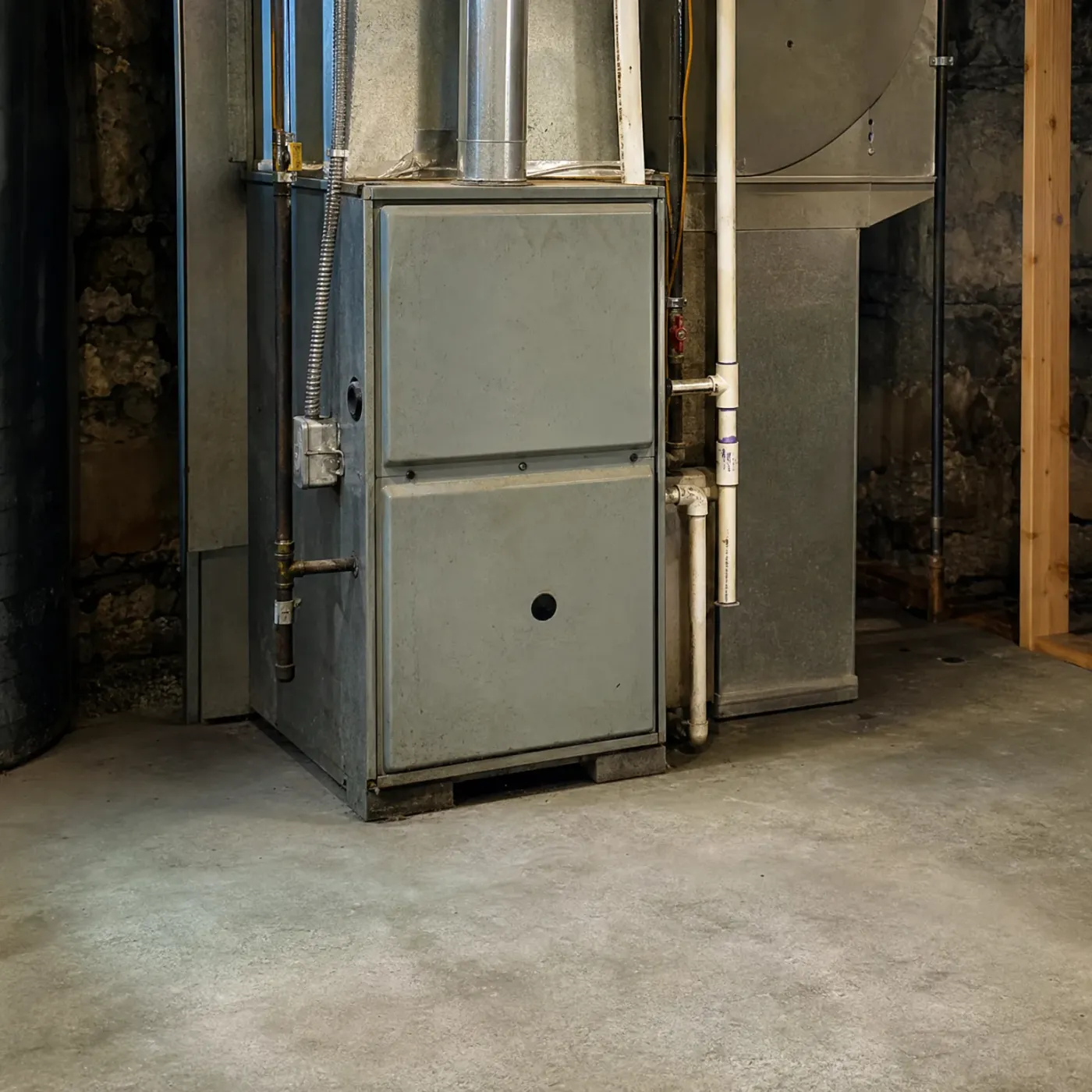
A gray sheet-metal furnace with flue pipe and adjacent ductwork stands against a stone basement wall on a concrete floor, with white PVC and metal pipes running nearby.

Running hard

This furnace sits among gas lines and flex tubing in an older mechanical room. Asked to recover heat fast after a deep setback, it draws more gas and runs its blower longer, and a furnace worked this way wears sooner.

Why does my thermostat setting matter so much for my furnace?

Why does my thermostat setting matter so much for my furnace?

A steady setting keeps the furnace from overworking itself

Every time your furnace fires, the igniter lights, the gas valve opens, and the blower pushes air until the thermostat is satisfied. A setting that stays close to steady lets that cycle run its normal course and shut off clean. A setting that swings, warm during the day, cold at night, then pushed back up fast, makes the blower run longer each time and asks the igniter and gas valve to cycle more often than they need to. Over a winter that adds up. With power costs in New York among the highest in the country, a furnace that isn't fighting big swings in setting is doing less work for the same warm house, and that shows up both in how the equipment holds up and in what it costs to run it.

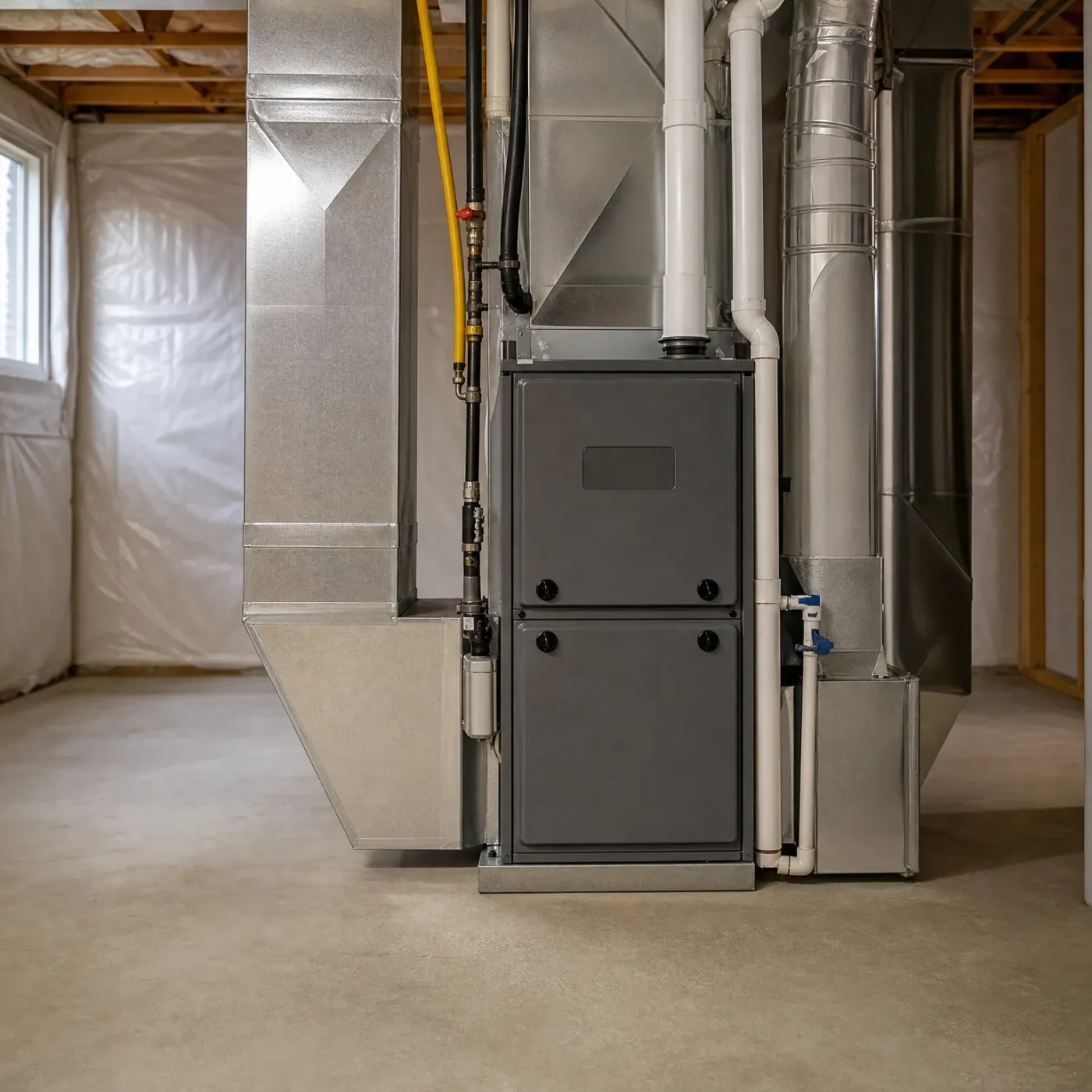
A gray gas furnace stands on a concrete basement floor, connected to sheet-metal ductwork, white PVC vent pipes, and a yellow gas line, with plastic sheeting covering the walls.

A furnace set up right

This is a high-efficiency furnace with PVC venting and a yellow gas line feeding it. Held at a steady temperature, it cycles the way it was built to, and a contractor can keep the inducer and burners clean so it stays that way through winter.

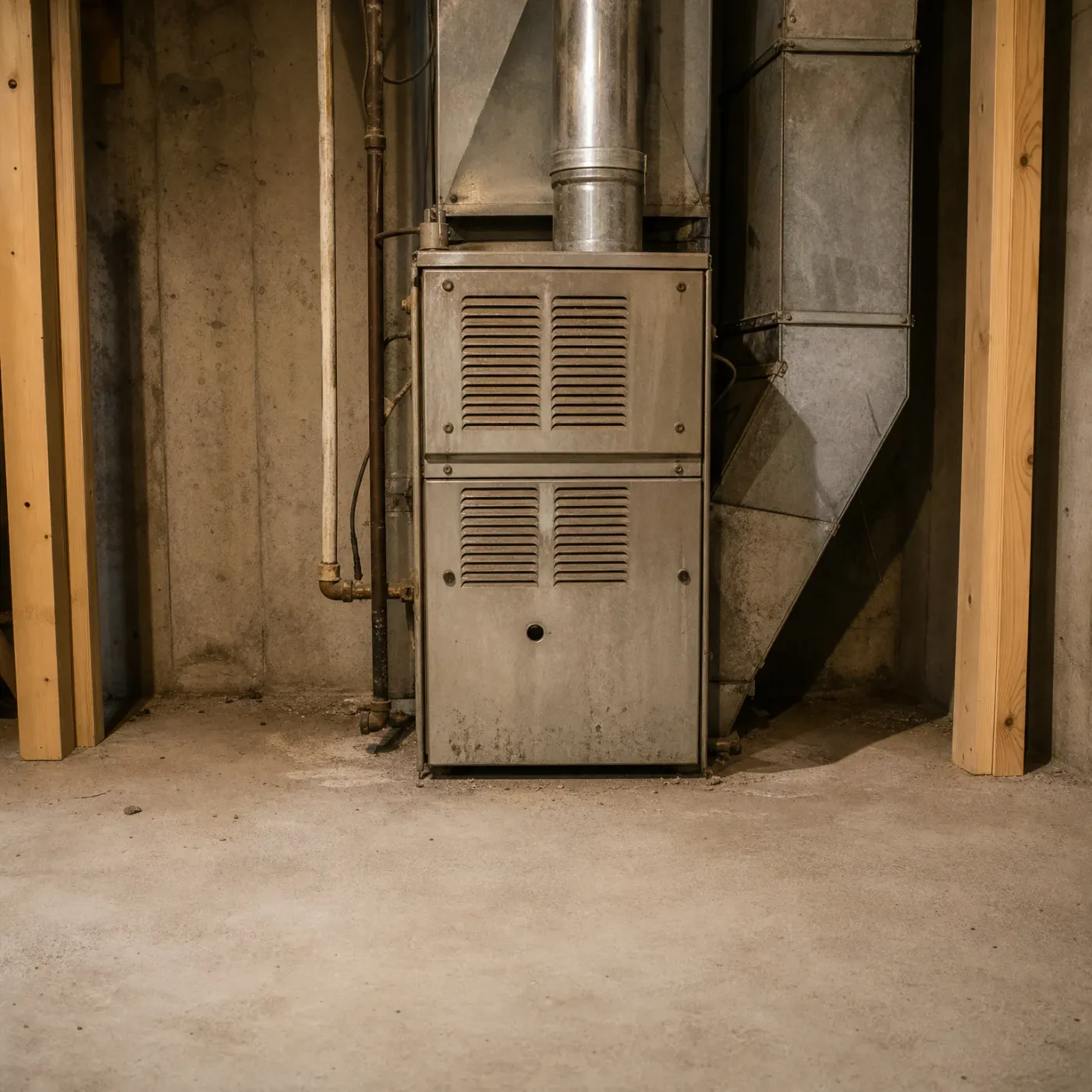
A metal furnace with louvered panels stands against a concrete basement wall, connected to sheet-metal ductwork and a round flue pipe, with wooden framing posts and a pipe nearby.

A furnace showing its age

This older unit runs on copper gas piping and carries years of dust on its cabinet. A furnace like this one already works harder to heat the house, and a thermostat pushed low all day and cranked up at night wears it down faster than it needs to.

Winter nights average 24°F statewide

A 24 degree night is normal here, not a cold snap. Set your thermostat where you want it before bed and leave it, and the furnace will handle that number in steady cycles instead of racing to catch up at 2 a.m.

NOAA nClimDiv 1991-2020 county normals weighted by homes

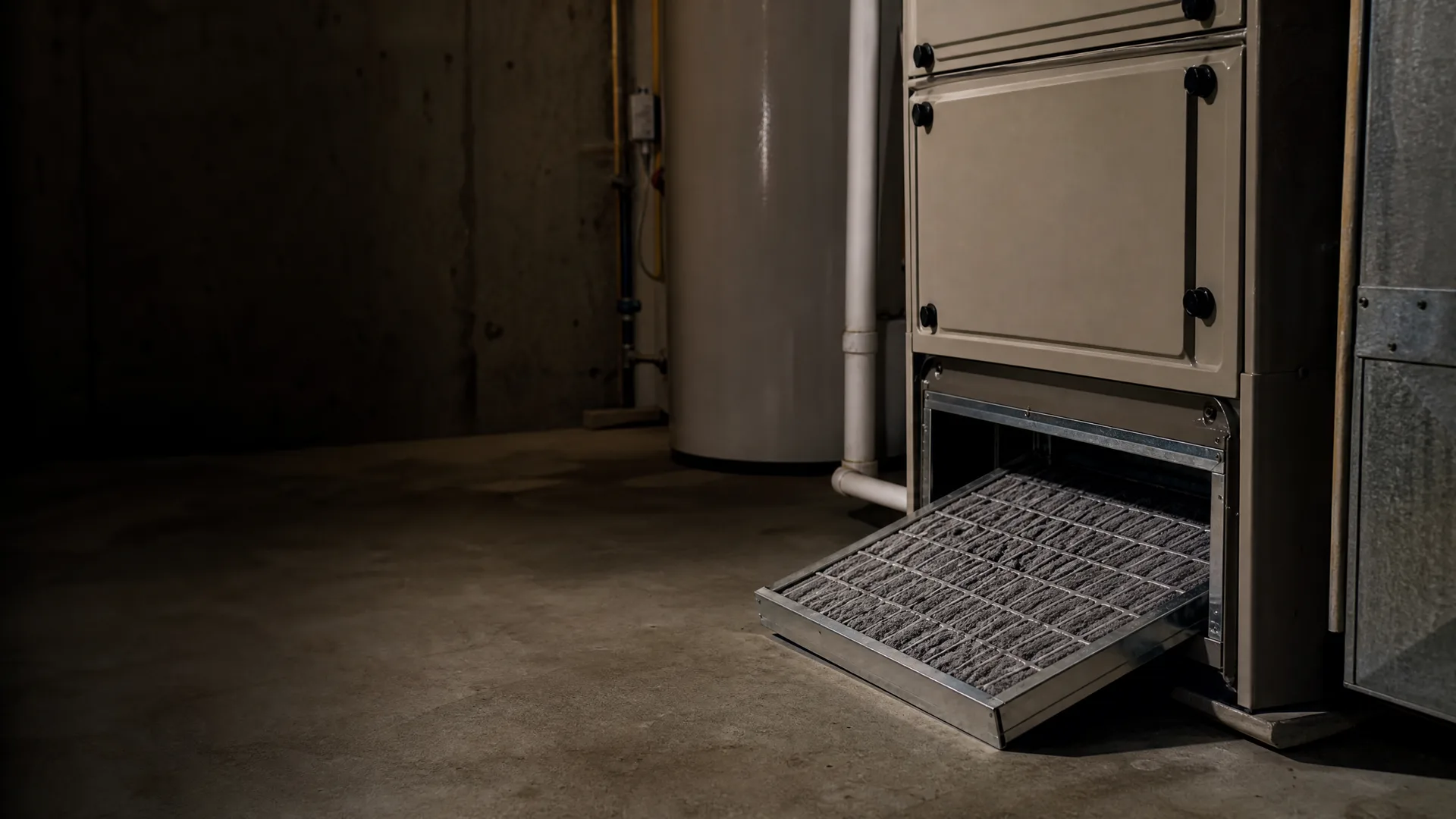
A furnace in a dim basement with a dirty pleated air filter partially pulled out of its slot, beside a water heater and concrete walls and floor.

It's a little past four and the light in the basement has gone thin. You've pulled the filter out to check it before the cold really sets in, and it's grey, the pleats packed solid. Upstairs the thermostat sits at 69, same as it's been since you stopped fiddling with it. The furnace ticks through its cycle somewhere behind you, inducer humming, then quiet. You turn the filter over once, looking for the date you wrote on the frame last time, and can't find it. Outside it's maybe 50, the kind of October afternoon that doesn't need much heat yet, but you know what's coming. You lean it back against the cabinet to deal with later and head for the stairs.


Why does one room never feel as warm as the rest?

You've probably noticed it already. One bedroom stays a few degrees cooler no matter where the thermostat is set, or the vents rattle faintly when the furnace kicks on, or the air coming out feels weaker than it used to. Sometimes there's a burnt dust smell for the first few minutes after a long break between cycles. None of that means the thermostat setting is wrong. It usually means the furnace is working harder than it should to push air through, and a furnace working harder burns more gas to hold the same temperature. Left alone long enough, that strain is what shortens the life of the igniter and the blower motor.

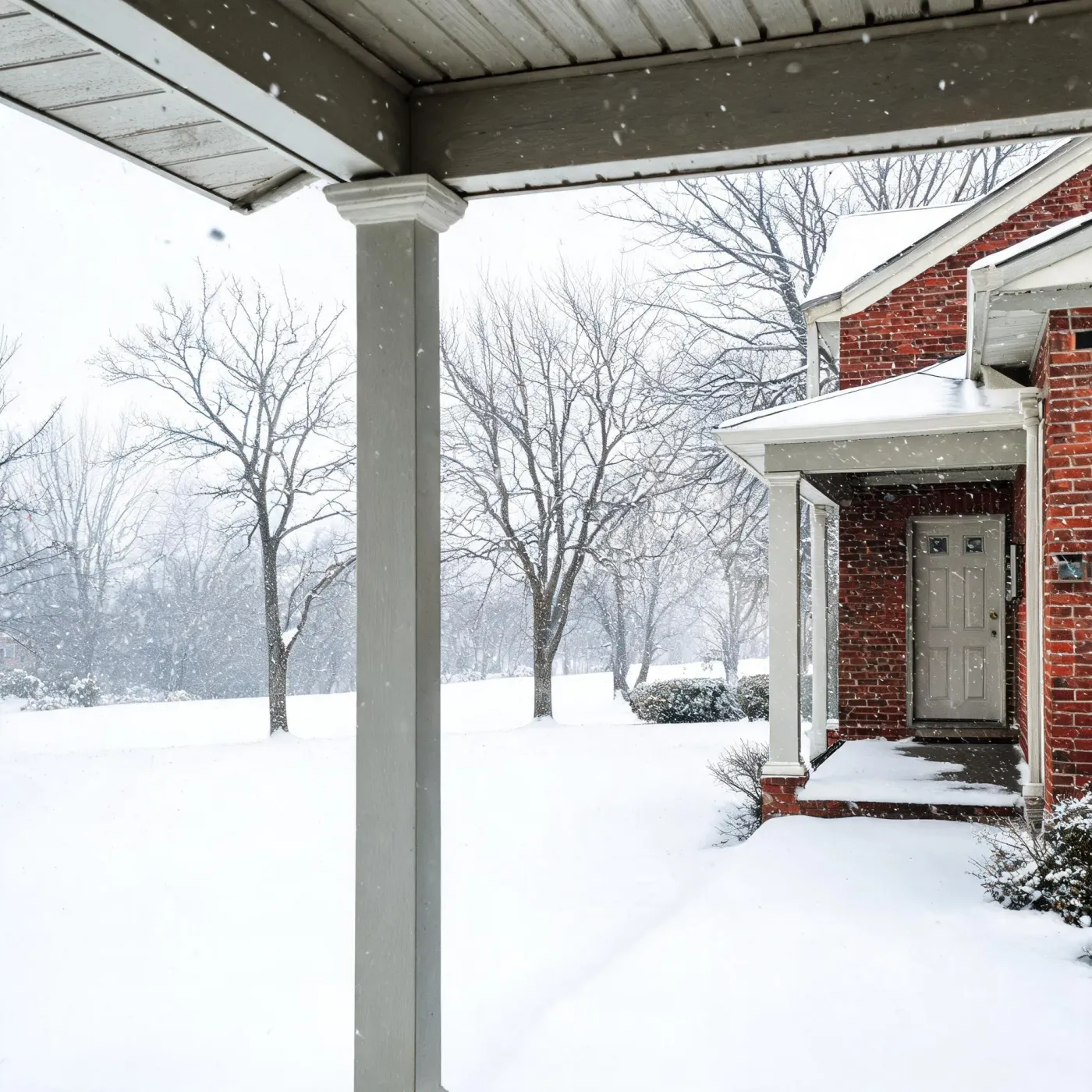
View from under a covered porch with a white column toward a red brick house entrance with a gray door, surrounded by deep snow, bare trees, and falling snowflakes.

Winter nights average 24°F statewide, and that's the stretch your furnace works through every night, not just on the cold snaps. At that temperature, a furnace holding a steady setting fires, runs its cycle, and shuts off clean. One pushed up from a deep setback has to stay running longer to close the gap, and you'll hear it: a longer blower run, warm air that keeps coming well after the room feels done. Over a winter of nights at 24, that difference shows up as wear on the igniter and the inducer motor before it shows up anywhere else.

NOAA nClimDiv 1991-2020 county normals weighted by homes

A man seen from behind raises his hand to wave at a woman standing in the open front doorway of a single-story house with gray shingle siding, white columns and a gabled porch entry.

68 to 70 degrees, held steady

That's the number for a New York winter. Set it during the day, drop it five to seven degrees at night, and leave the dial alone. Your furnace does the rest, firing in short, even cycles instead of straining to catch up from a deep setback at 24 degrees outside.

A furnace that's been looked at before winter starts handles that number without issue. One that hasn't might still get through the season, or it might show a strained igniter or a dirty inducer on the coldest night, which is never a convenient time to find out. If you want that checked before the cold settles in, the next step is simple. Someone who services furnaces in your area can be matched to your situation, and they'll reach out to you directly to sort out what your system needs.

A living room corner with a light beige sofa holding a textured taupe cushion, a large ceramic vase of olive branches by a window, a framed neutral artwork on the wall, and a dark bowl with stacked books in the foreground.
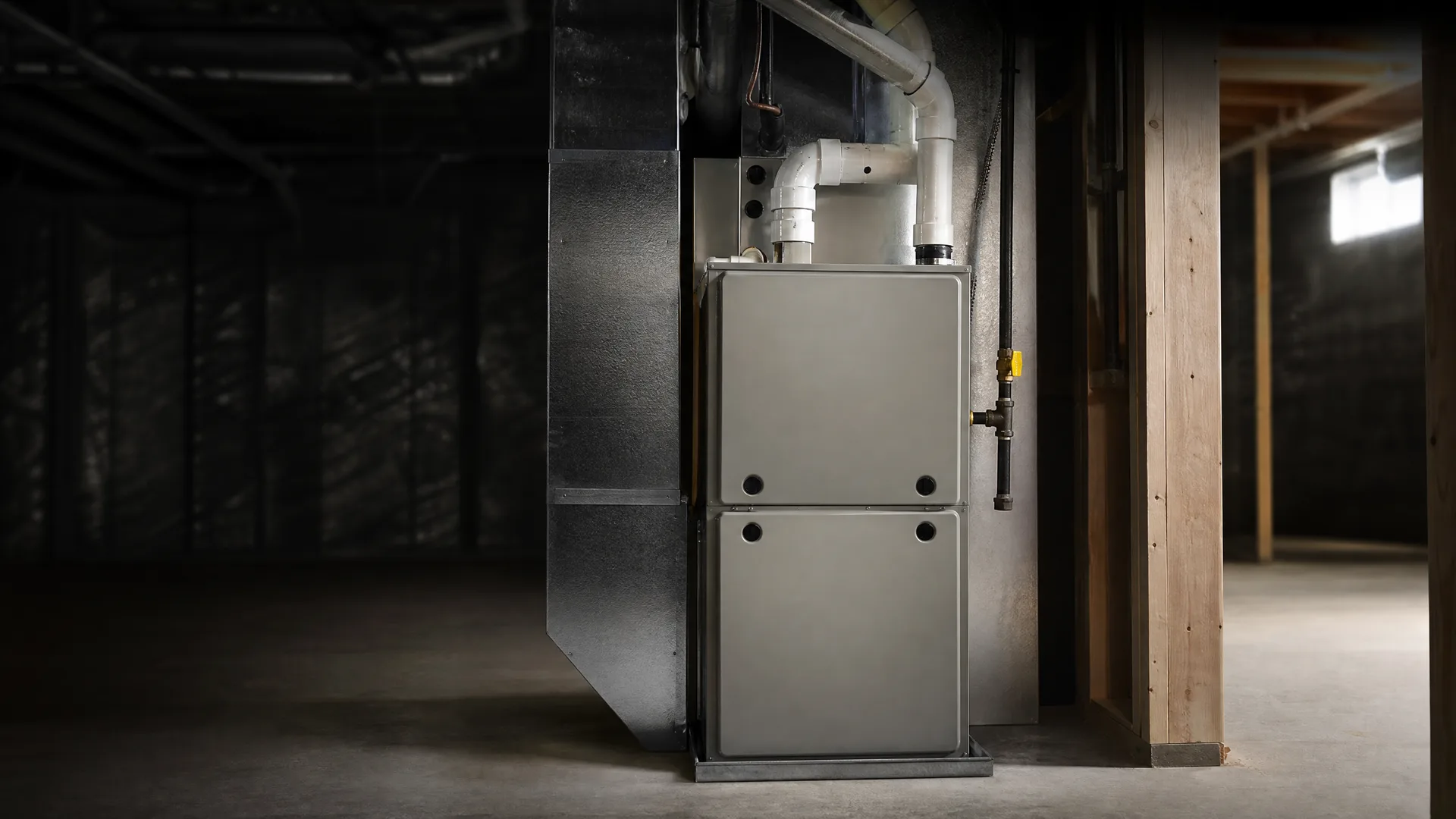
A gray high-efficiency furnace with two access panels stands on a concrete basement floor, connected to sheet-metal ductwork and white PVC vent pipes, with wood framing and a gas line nearby.

The right pro for this job

Step 1 of 3: Equipment