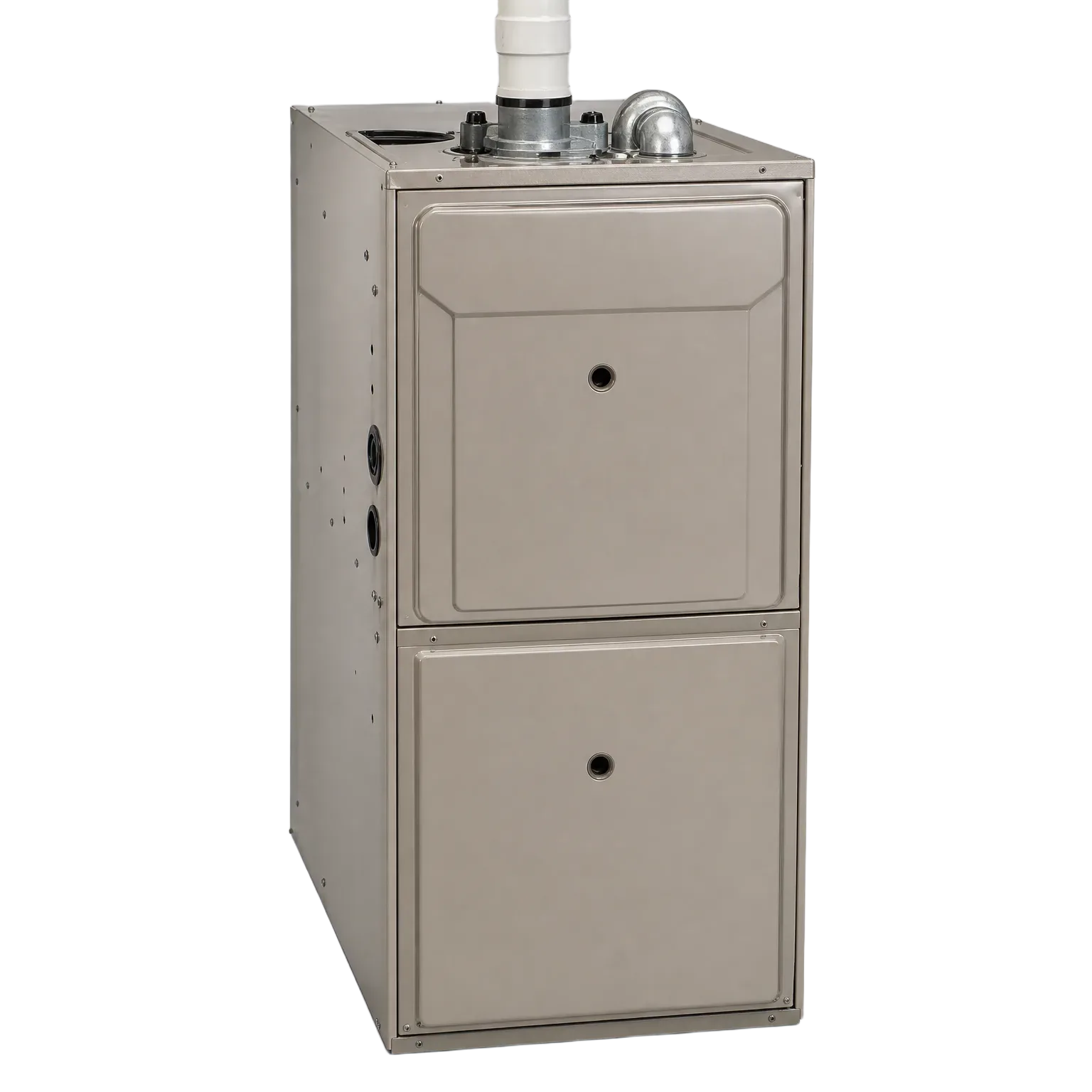
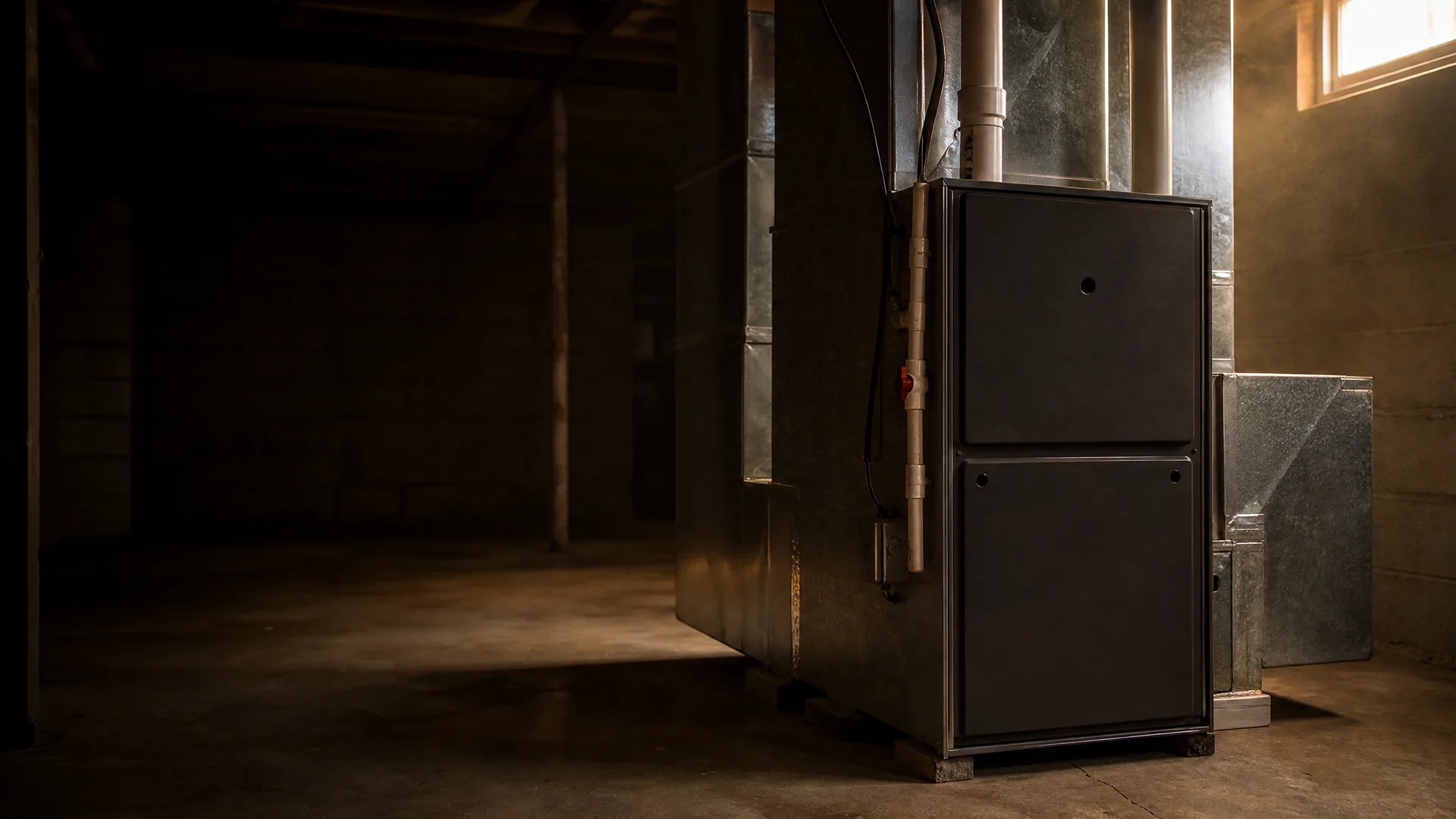
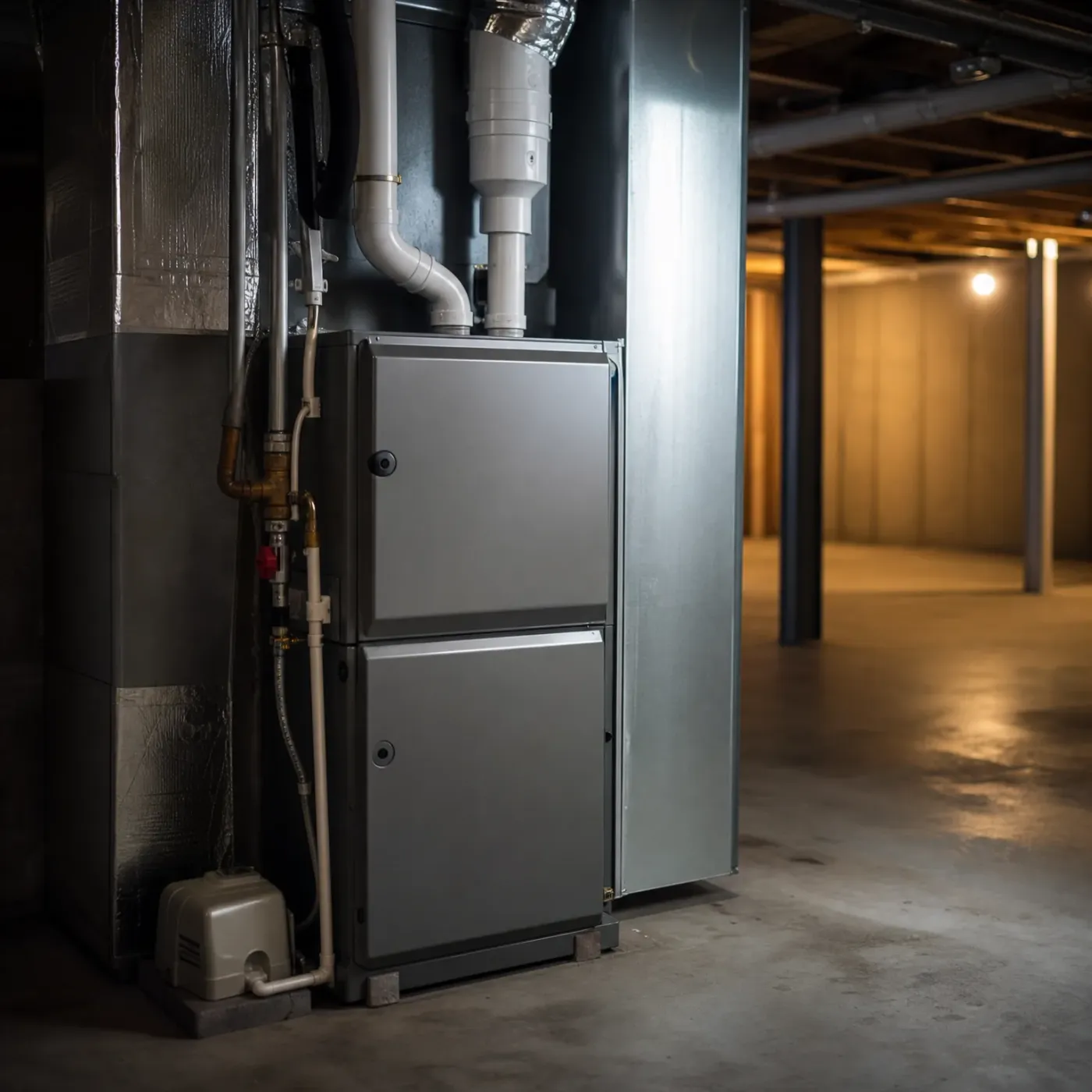
A gray high-efficiency furnace with PVC venting, copper and plastic piping, and a condensate pump sits beside sheet-metal ductwork in a concrete-floored basement.

The right pro for this job

Why your furnace keeps turning on and off in New York

A furnace that short cycles, clicking on and off every few minutes, usually points to one of a handful of causes: a dirty filter, a bad thermostat, a cracked heat exchanger, or an airflow problem in the ducts. This page walks through what's behind it and what it takes to find the exact one in your house, instead of you calling around and explaining the same thing twice.

Connect with a pro

A furnace that turns on and off every few minutes is short cycling, and it almost always comes down to the furnace sensing a problem and shutting itself down before it overheats or runs unsafely. A clogged filter is the most common cause. Block the airflow enough and the heat exchanger gets too hot too fast, so the limit switch cuts the burners before the house gets warm. A thermostat that's miscalibrated or in the wrong spot can also tell the furnace to stop too soon, and a cracked heat exchanger or a failing flame sensor will do the same thing for safety reasons. None of these fix themselves, and running a furnace this way for long stretches wears out the blower motor and the ignition system faster than normal use would. In a New York winter, a furnace that won't stay on long enough to heat the house is a problem worth tracking down before the cold settles in for good.

A woman with dark hair in a bun wearing a cream knit sweater sits on a gray sofa in a bright living room, looking off to the side.
A woman wrapped in a knit blanket sits on a gray sofa in a living room, looking toward a bright window with houseplants and an armchair in the background.
A woman in a gray cowl-neck sweater sits on a light sofa with cushions, smiling and looking to the side, with a kitchen and window visible behind her.
A woman with dark hair in a bun, wearing a light linen shirt, sits on a sofa and looks to the side, with a window, houseplants and a kitchen with pendant lights blurred behind her.

A furnace does not just shut off on a whim. Something in it is reading a signal, deciding it's unsafe or unnecessary to keep running, and cutting the cycle short. The flame sensor is a thin metal rod sitting right in the burner flame. Its only job is to confirm fire is actually present, and a coating of carbon on it is enough to make the control board think the flame never lit. The high limit switch has a different job. It watches the temperature inside the cabinet, and if air isn't moving through fast enough to carry that heat away, it trips and shuts the burner down to protect the heat exchanger. Sometimes the furnace itself is fine and the problem is a thermostat with a loose wire sending bad signals. Sometimes the furnace is sized wrong for the house, heating the air so fast the thermostat is satisfied almost as soon as it started, then calling for heat again a few minutes later.

What's actually telling it to stop

  • A flame sensor coated with a thin layer of carbon can't tell the control board the burner is lit, so the board cuts gas within seconds of ignition.
  • The high limit switch trips when air isn't moving fast enough past the heat exchanger, which happens when a filter is clogged or a duct is blocked.
  • An oversized furnace heats the house so fast that the thermostat is satisfied in a few minutes, then calls again once the room cools back down.
  • A cracked heat exchanger can trip the same high limit switch by leaking exhaust heat into the airflow instead of venting it outside.
  • The igniter has to prove flame within a few seconds of glowing, and a weak one fails that check and shuts the burner down before you'd ever see it light.
  • A thermostat with worn wiring or a bad connection can send the furnace a signal to stop and restart on its own, with nothing wrong in the furnace itself.
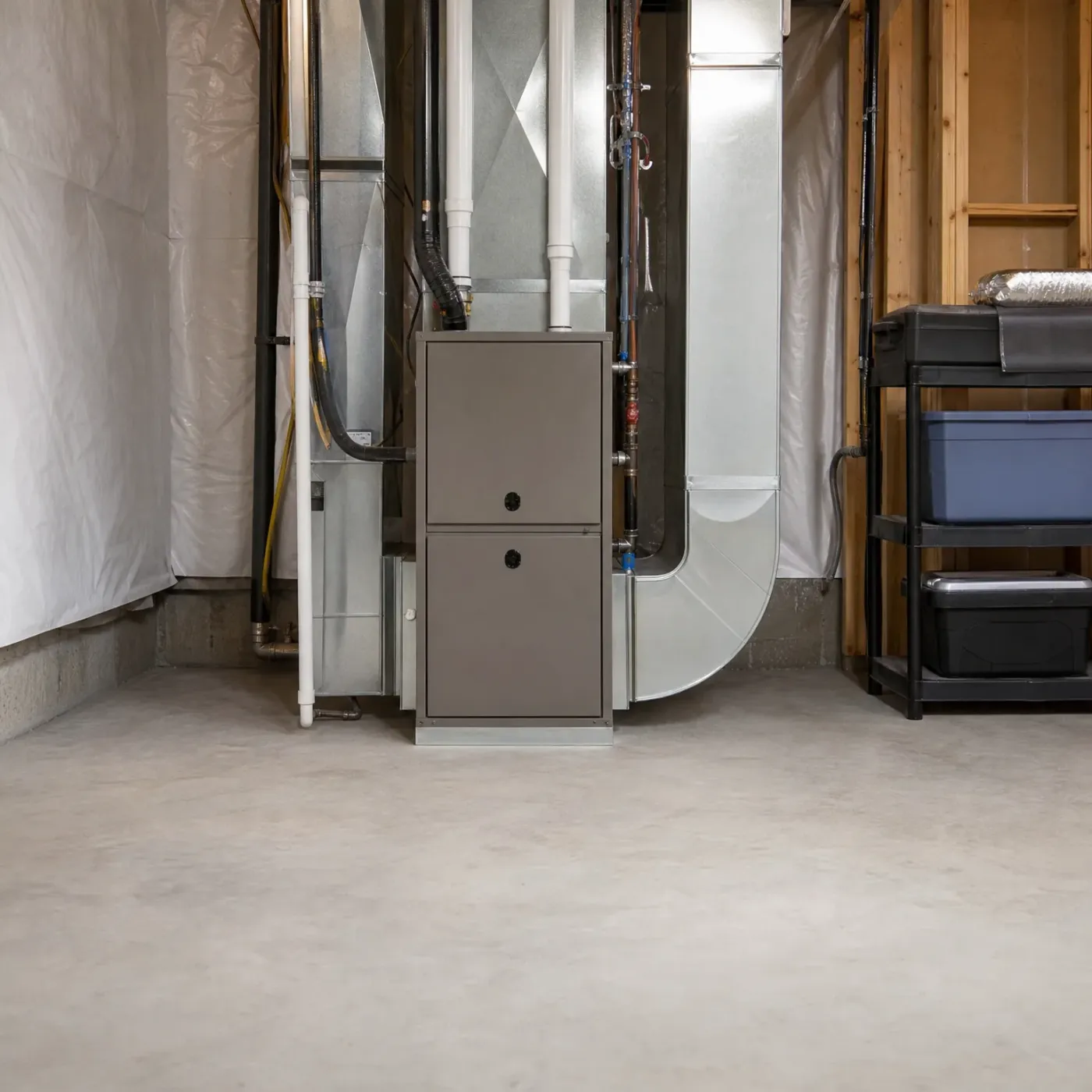
A basement utility area with a gray furnace, sheet-metal ductwork, pipes, plastic-covered walls, a concrete floor, and a black shelving unit holding storage bins.
A furnace cycling normally still runs on its own clock, kicking on for a stretch and shutting off clean once the house hits temperature.
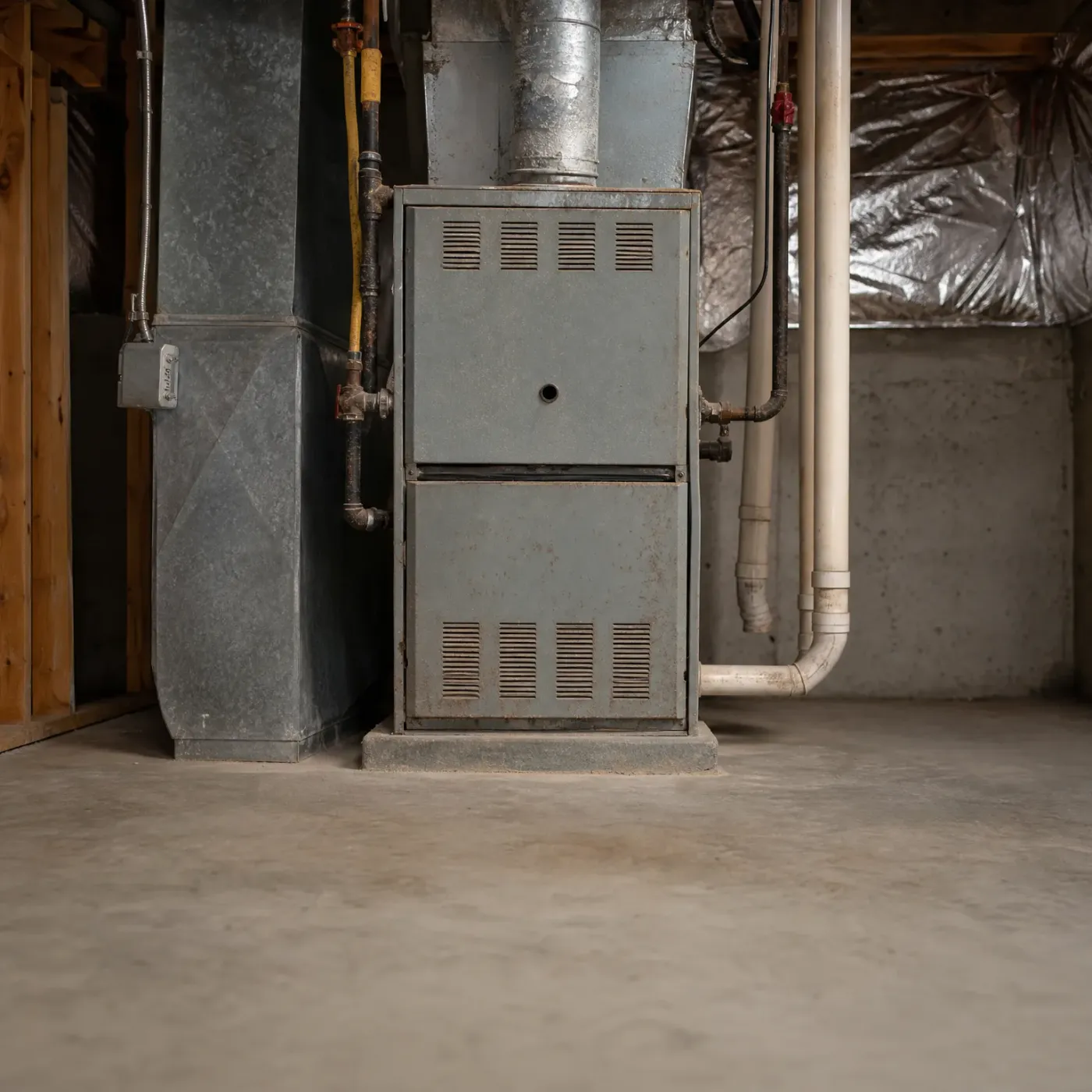
A gray metal furnace with louvered vent panels stands on a concrete basement floor beside galvanized ductwork, gas and plastic pipes, and foil-faced insulation along the ceiling and wall.
A furnace rusting at the cabinet and short cycling on top of it is wearing out, and the two problems usually get worse together.
  1. The thermostat calls for heat and opens the gas valve.

  2. The igniter glows hot enough to light the burners.

  3. The flame sensor confirms a flame is actually burning.

  4. The blower pushes heated air through the ducts.

Why does my furnace sound like it's clicking on and off all night

You'll hear the burner catch, run for a few minutes, shut off, then catch again, over and over through the night. Some rooms stay warm while others never catch up, because the blower keeps stopping before it moves enough air through the house. You might notice the furnace closet smells faintly of dust when it kicks on, or the air coming from the vents feels barely warm before it cuts out again. The gas bill can climb even though the house doesn't feel any warmer, since the burner is firing more often without running long enough to heat the place properly. Left alone, a cracked heat exchanger or an overheating blower motor only gets worse, and either one can mean a furnace that stops working on the coldest night of the year.

An older woman with gray hair in a bun and glasses, wearing a beige knit sweater, smiles while looking to the side in a warmly lit kitchen, with a loaf of bread on the counter in the foreground and a snowy scene outside the window.
A woman and a child wrapped together in a thick knitted blanket on a sofa, both with eyes closed, with a lit table lamp and houseplant in the dim background.

Matched to your furnace job

Explain the job once and skip repeating it on every call.

It costs nothing to send, and you don't have to hire anyone.

Short cycling adds wear to the parts that start the furnace each time it fires. The igniter and the blower motor take the most hits, since both work hardest in the first seconds of a cycle.

A furnace that starts and stops ten or more times an hour is putting those parts through ten or more startups, instead of the two or three a normally cycling furnace needs in that same hour.

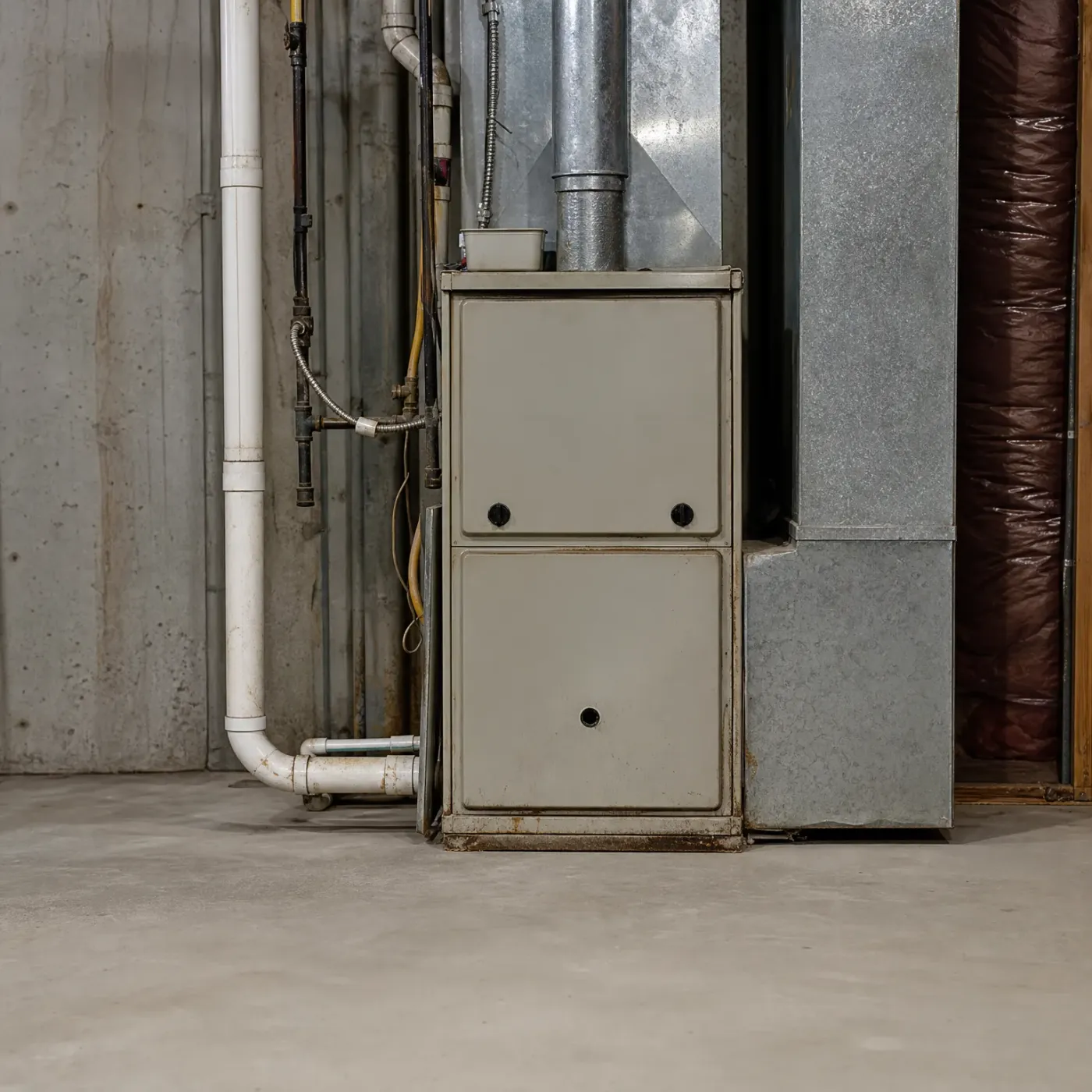
A beige furnace with two access panels stands against a concrete basement wall, with galvanized sheet-metal ductwork, a white PVC pipe, flexible conduit and insulated ducting around it.
Before you get your furnace repair
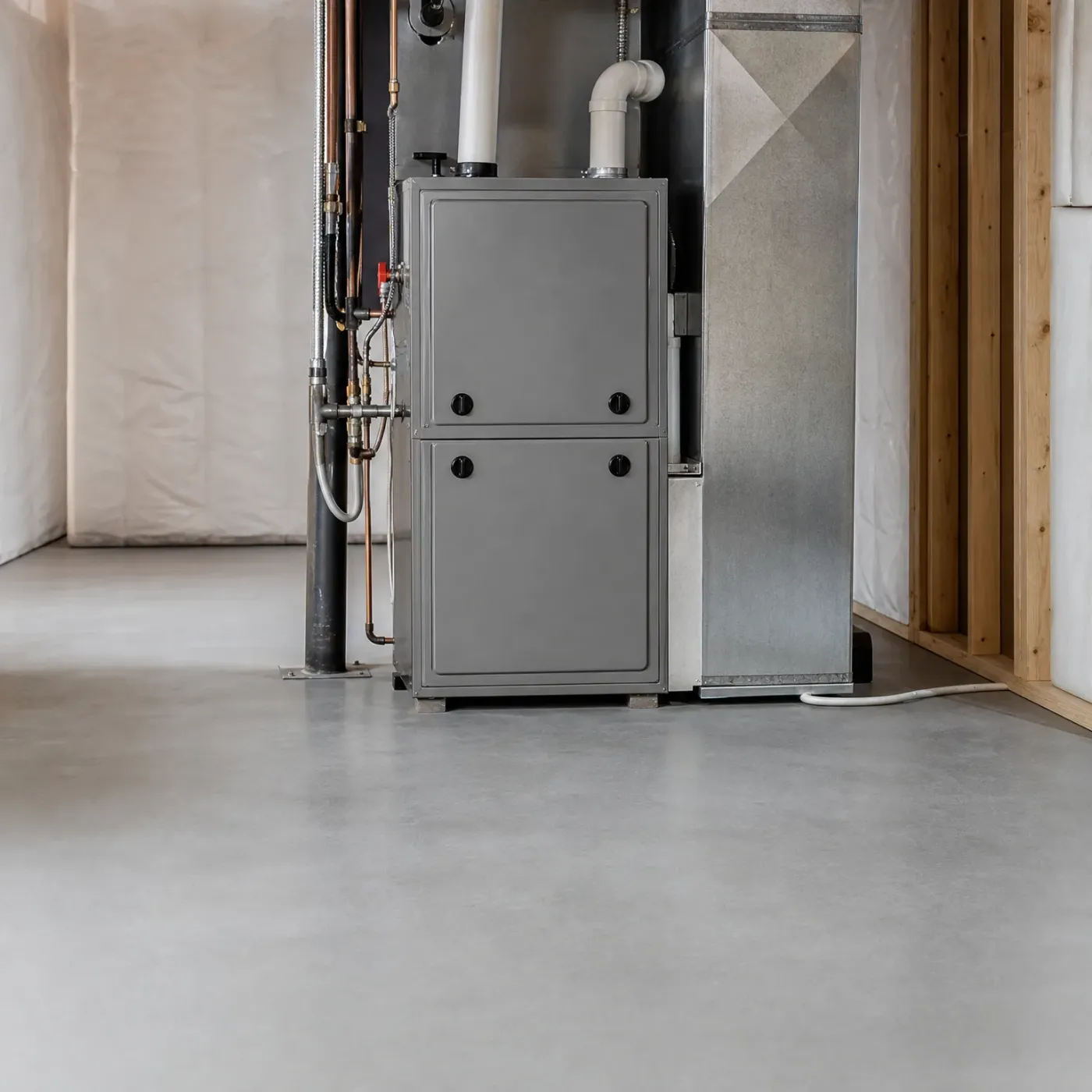
A gray furnace with white PVC vent pipes stands beside sheet-metal ductwork in a basement with a smooth concrete floor, exposed wood framing, and plastic sheeting on the walls.
After you get your furnace repair
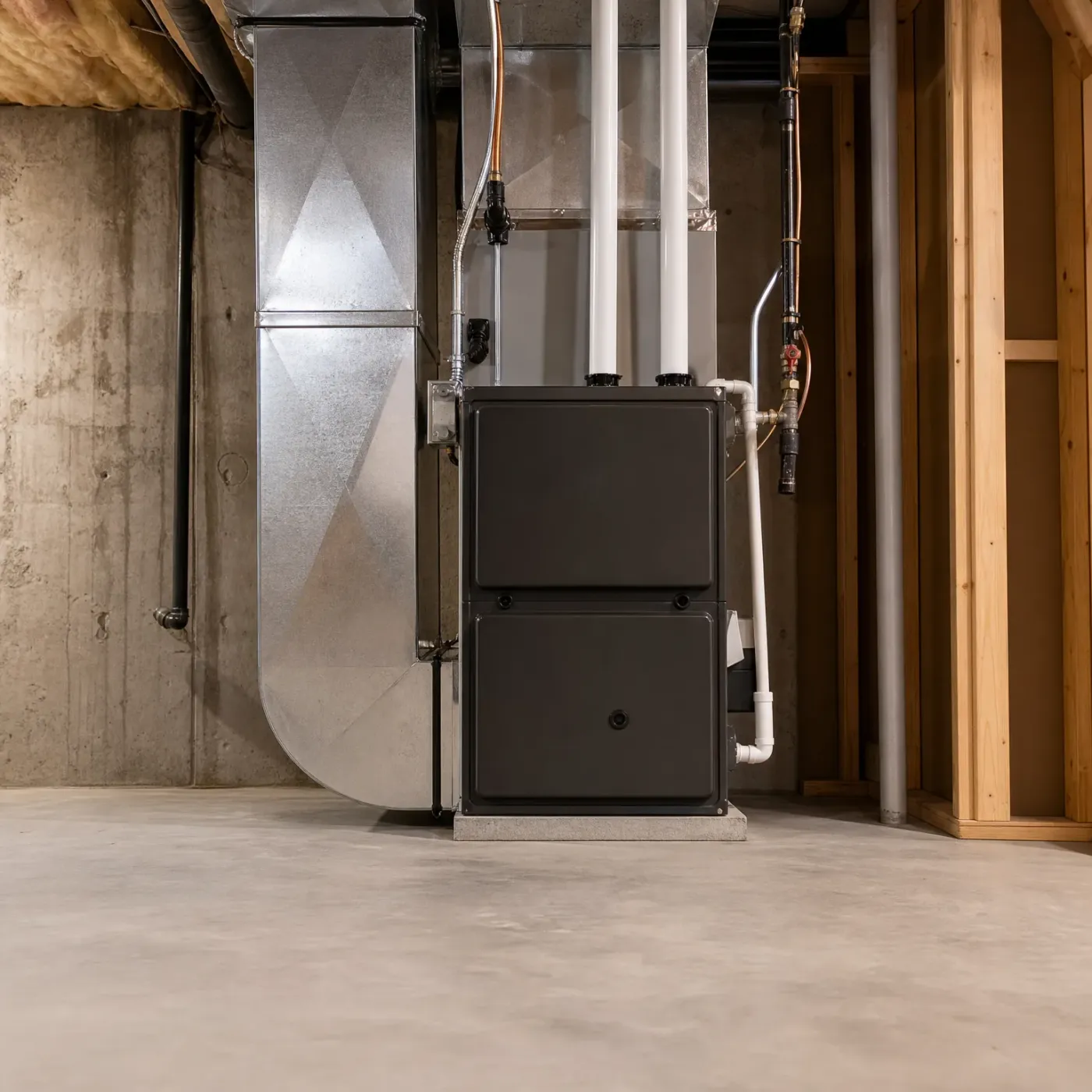
A dark high-efficiency furnace on a concrete pad in a basement, connected to galvanized ductwork, white PVC vent pipes, and copper and black gas piping, with concrete walls and wood framing nearby.

Running the way it should

The burner lights, runs a full cycle, and shuts off clean once the house reaches temperature. The cabinet stays dry, the vent pipe runs white PVC without scorching, and the gas lines sit tight. No clicking, no restart ten minutes later.

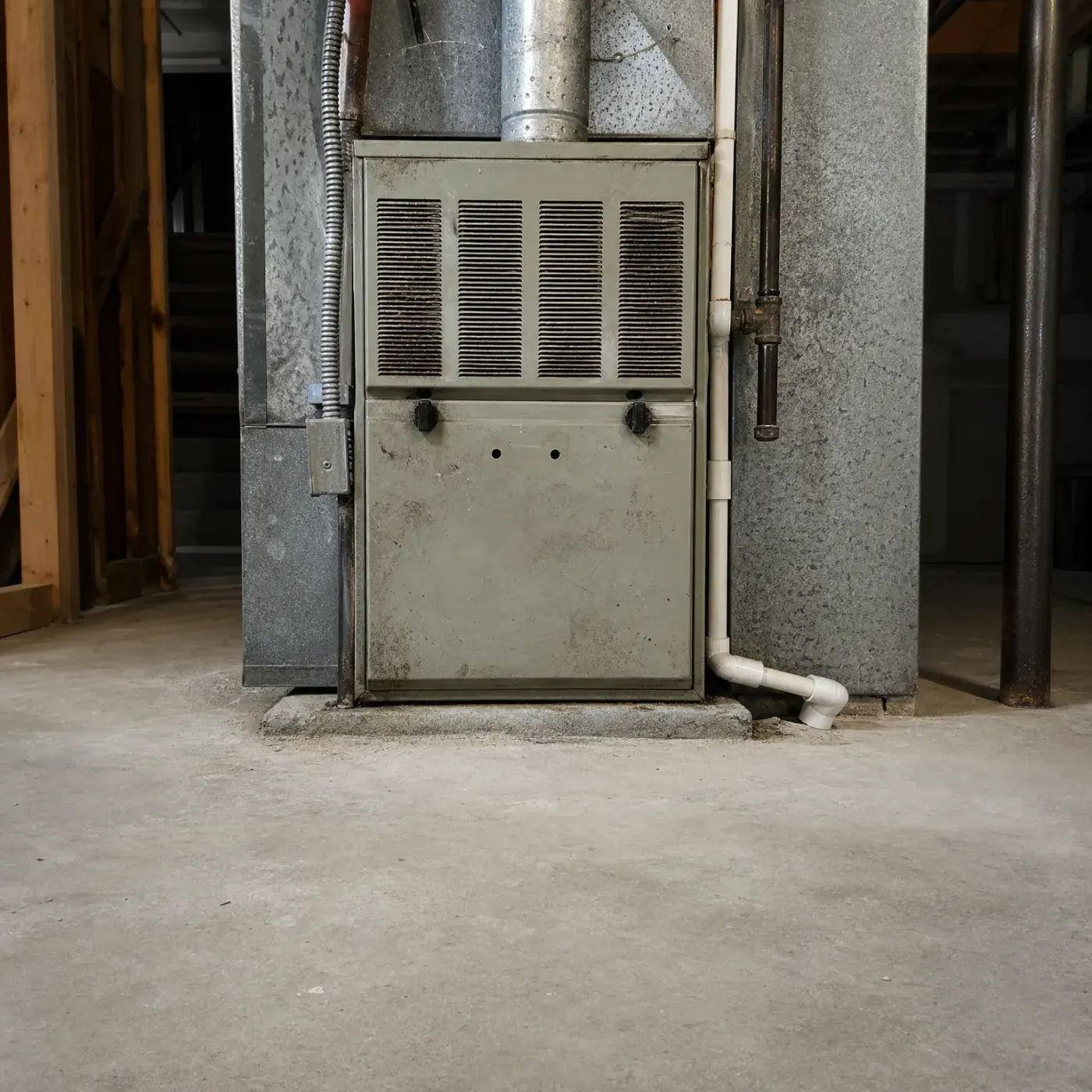
A gas furnace with a louvered upper panel stands on a concrete pad in a basement, flanked by sheet-metal ductwork, white PVC and metal pipes, and insulated columns.

Running the way it shouldn't

This furnace fires, cuts out, and fires again before a room even warms up. Short cycling like this strains the igniter and blower with every restart, and on an older unit like this one, something is already telling it to shut down early.

Winter nights average 24°F statewide

At 24°F on a typical winter night here, your furnace is firing often and staying on for long stretches to keep up. A unit that's short cycling can't hold that run, so the house loses ground fast on a cold night like that.

NOAA nClimDiv 1991-2020 county normals weighted by homes

A dark residential basement with a concrete floor and block walls, containing a furnace with two access panels connected to galvanized sheet-metal ductwork and a white vent pipe, lit by a small window at upper right.

It's just past six on a November evening and the basement is dark except for the bulb over the stairs. You came down because the house felt cold again, and here it is: the furnace sitting quiet, no hum, no glow from the sight glass. You put your hand near the cabinet and feel nothing. A thin haze hangs in the air by the burner compartment, dust stirred up from the last time it kicked on and quit. Upstairs the thermostat still reads low. You wait, listening for the click that starts it back up, but the house stays quiet and the cold keeps settling into the floor under your socks.

A man in a dark blue shirt stands in an open front doorway of a stucco and wood-clad house, facing a blond woman seen from behind in the foreground on a stone walkway.

A furnace that won't stop cycling needs a look, not a guess

A furnace clicking on and off every few minutes is telling you something specific: a sensor, a switch, or airflow problem is cutting it short before it finishes a normal heating cycle. The fix depends on which one it is, and that's not something to sort out by trial and error while the house sits cold through a New York winter.

Finding someone qualified to look at it usually means calling around, explaining the clicking and the cold rooms more than once, and waiting to see who actually shows up with a quote that makes sense. Skip that part. Answer a few questions about what your furnace is doing and you'll be matched with a contractor who takes it from there, including reaching out to you directly to get it looked at.

A wooden table holding a stone vase with a bare branch, two stacked books and a small dark bowl, beside a window with green foliage outside and a sofa in the dim background.
A single-story stucco house at dusk with a lit paver walkway lined by low path lights, desert plants and boulders in front, and distant mountains under an orange and blue sky.

Furnace Repair

A furnace pro near you

Step 1 of 3: Equipment
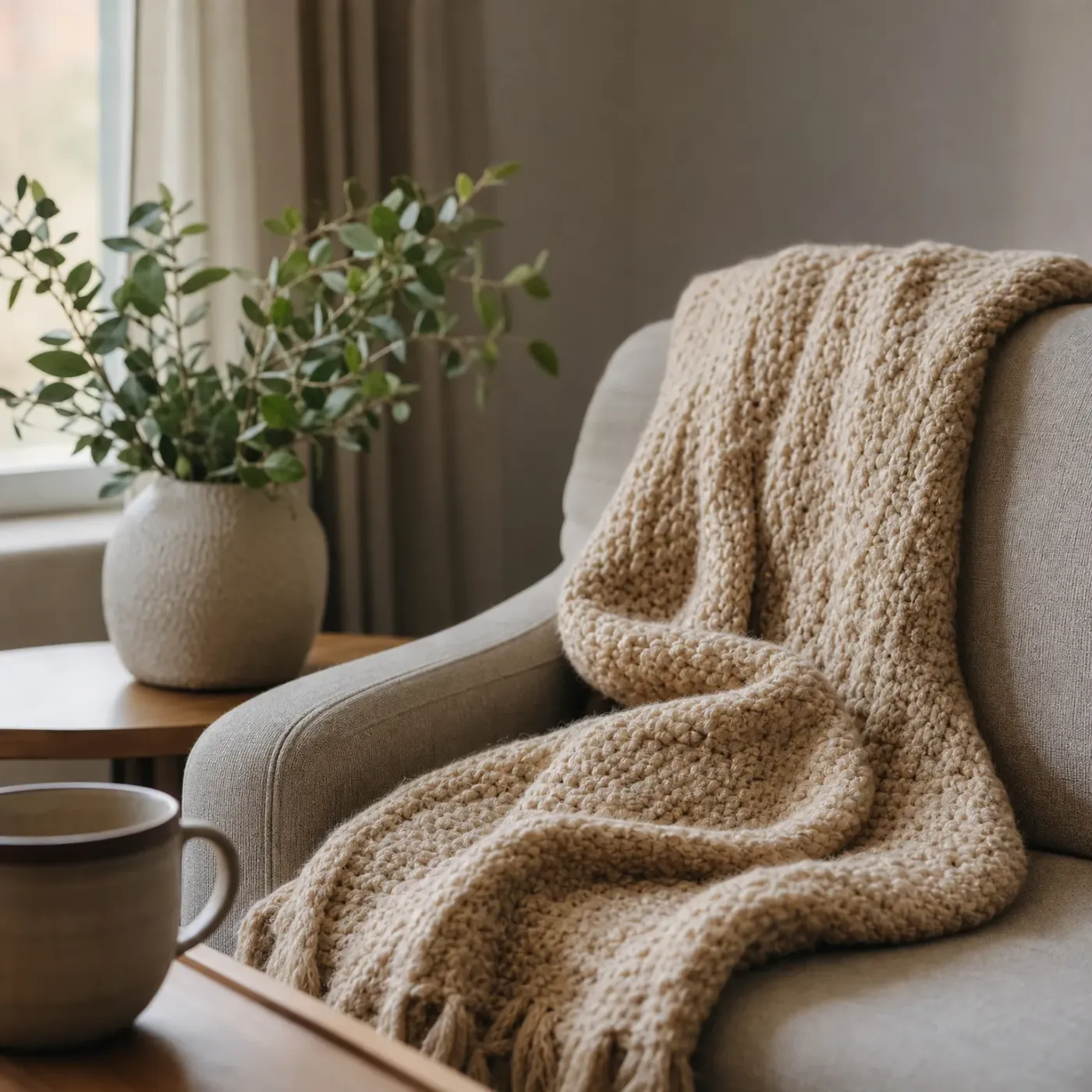
  • A grey upholstered armchair with a textured beige cushion and a chunky knit throw sits beside a window with linen curtains, next to a round wooden side table holding a speckled ceramic mug on a book, with a leafy plant behind.
    • Tell a local repair pro what your furnace is doing.
    • Describe your furnace job, and a local pro who handles it gets in touch.
  • A chunky beige knit throw draped over a gray upholstered armchair beside a window with linen curtains, a ceramic vase of green leafy branches on a wooden table, and a ceramic mug in the foreground.
    • Get the furnace repair search off your mind today.
    • Once you send the form, finding a pro is off your list.
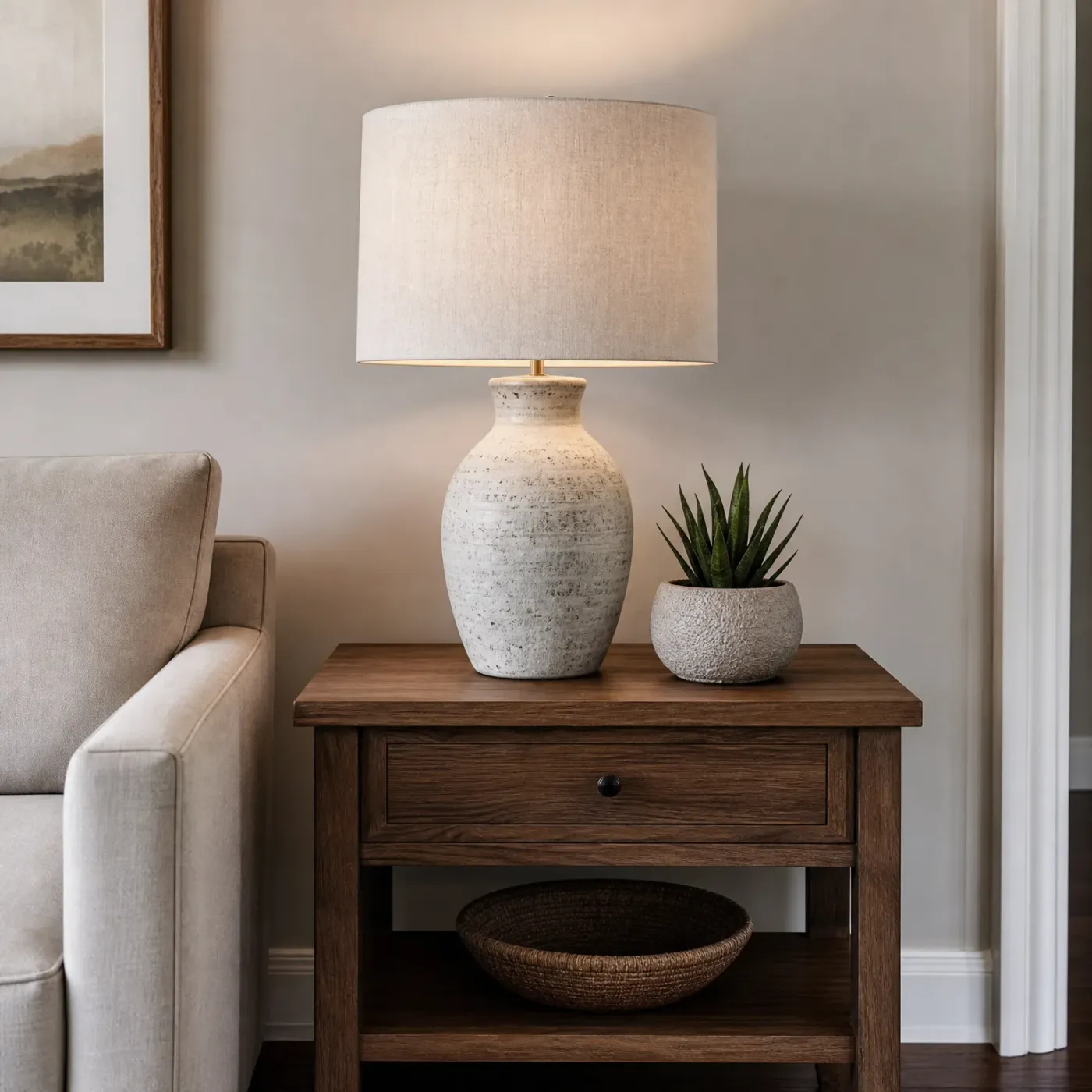
  • A ceramic table lamp with a cream drum shade and a small spiky succulent in a textured gray pot sit on a dark wooden side table with a drawer and a woven basket on the lower shelf, beside a beige upholstered sofa and a framed landscape picture on a pale wall.
    • One form replaces the calls you'd make to find a furnace pro.
    • Describe what your furnace is doing once, in one form.
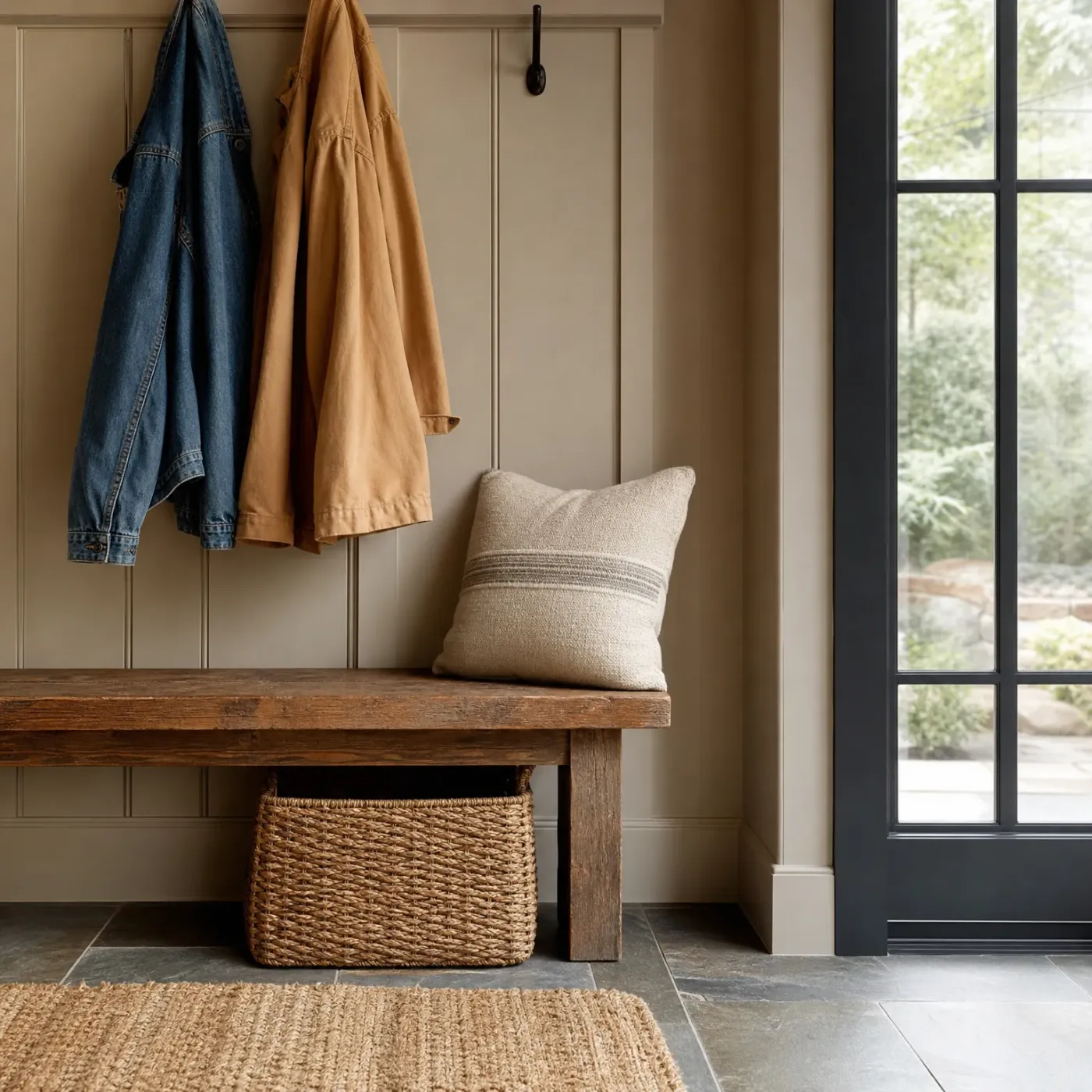
  • A mudroom with a denim jacket and tan jacket on wall hooks above a rustic wooden bench holding a striped cushion, a woven basket underneath, slate tile floor with a jute rug, and a black-framed window at right.
    • The pro who reaches out is licensed in New York.
    • Only one pro gets your request, so you hear from one company.