Matched to your furnace job
Why your furnace won't turn on in a New York winter
A furnace that won't start on a cold night could be a bad igniter, a clogged filter choking the flame sensor, or a thermostat that lost its mind. This page walks through the likely reasons and what each one means for getting your heat back. When you're ready, it connects you with a contractor who can look at your system directly, so you skip the searching and the string of phone calls.
Find a pro near meA furnace that won't fire up when it's cold out usually comes down to one of a few things. The igniter can fail after years of heating cycles, and without it the burners never light. A dirty filter can choke airflow until the limit switch shuts the whole system down to keep it from overheating. The flame sensor can get coated in residue until it can no longer tell the control board a flame is lit, so the system shuts off as a safety measure. Even the thermostat can be the problem, especially if the batteries are low or it lost its program. None of these let the furnace run, and in a New York winter that means the house starts losing heat fast while whoever is home deals with the cold. Figuring out which one it is matters, because the fix and how fast you need it depend on the cause.




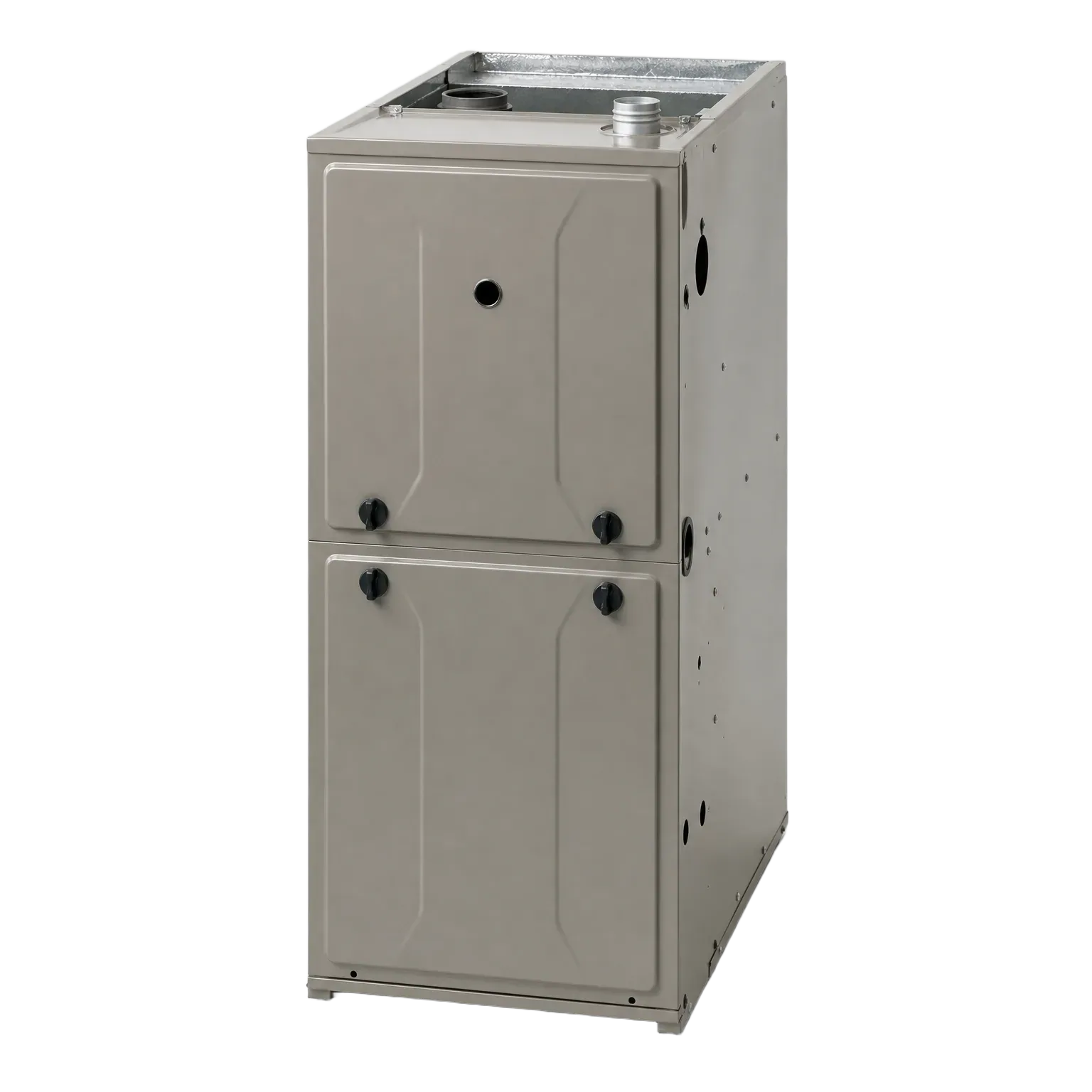
Starting a furnace is a sequence, and every step has to check out before the next one happens. The inducer motor spins up first, and a pressure switch has to confirm it's actually venting exhaust before anything else moves forward. Only then does the igniter get power, glowing or sparking for a few seconds to light the burners. Once the flame is lit, a sensor rod has to detect it through a tiny electrical current, microamps, and confirm it to the control board. Soot on that rod, a weak igniter, or a pressure switch that never closes will all stop the sequence cold, and the board shuts the gas valve rather than risk running without a confirmed flame. None of this is a malfunction. It's the safety system doing exactly what it's built to do. On a cold night here, a furnace can cycle through this whole sequence dozens of times, and the repeated heat and cooldown is what wears these parts out over time. A clogged filter adds another failure point by overheating the heat exchanger until the limit switch cuts the burners. And sometimes nothing in the furnace failed at all. A dead thermostat battery means the burners never got the call to begin with.
How ignition actually fails
- The igniter glows or sparks for a few seconds at the start of each cycle, and if it draws too little current the control board won't let gas valve open.
- A flame sensor reads the burner flame through microamps of current, and a film of soot on that rod can make the board shut gas off within seconds of ignition.
- The inducer motor has to prove it's pulling exhaust before the control board allows ignition, so a failed pressure switch stops the sequence before the igniter ever fires.
- Furnaces here cycle on and off dozens of times on a cold night, and that repeated heating and cooling is what eventually cracks an igniter or fouls a sensor.
- The limit switch shuts the burners down if a clogged filter lets the heat exchanger run hotter than it should, protecting the furnace at the cost of your heat.
- A thermostat with dead batteries or a lost connection to the furnace can look identical to a failed ignition, since the burners never even get the call to start.
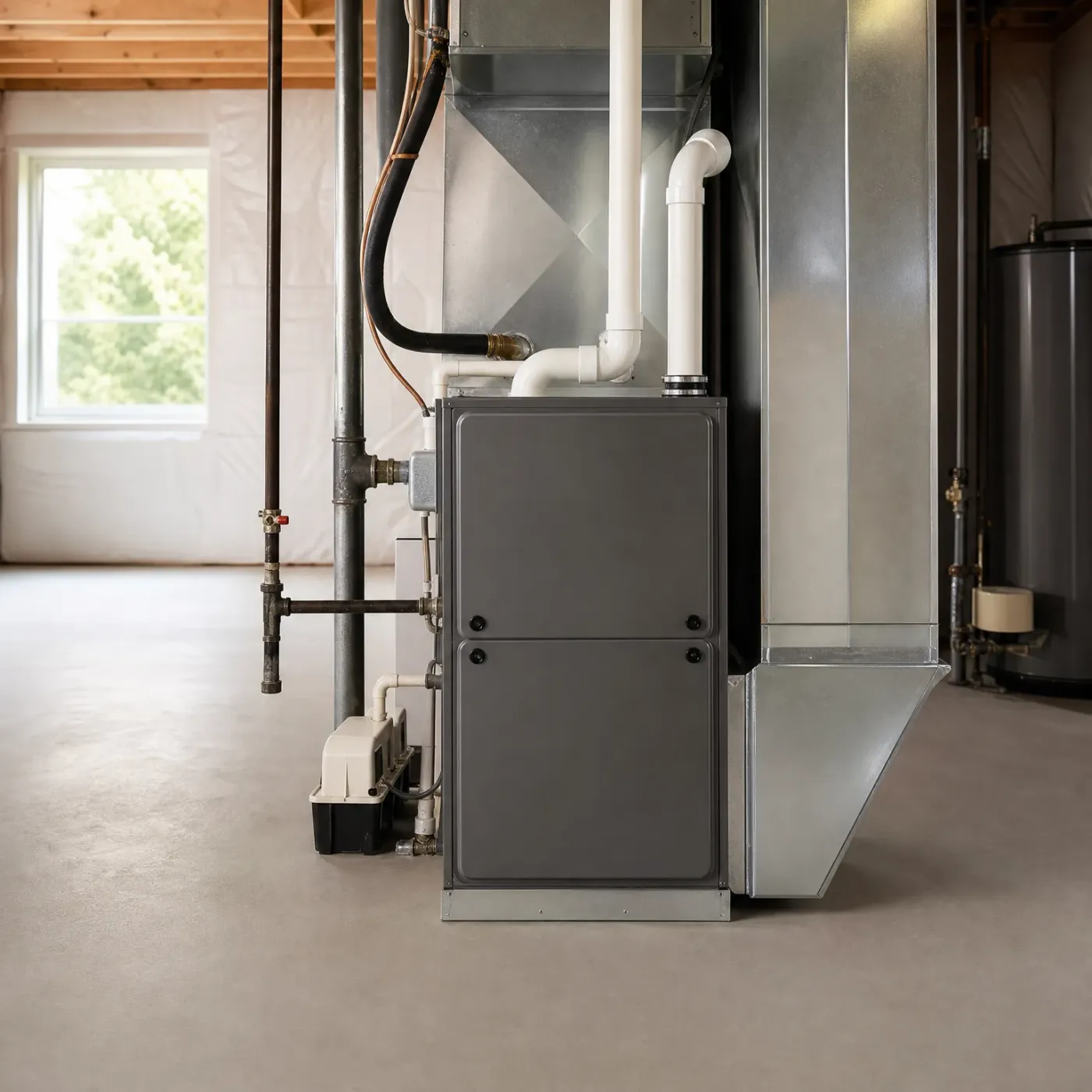
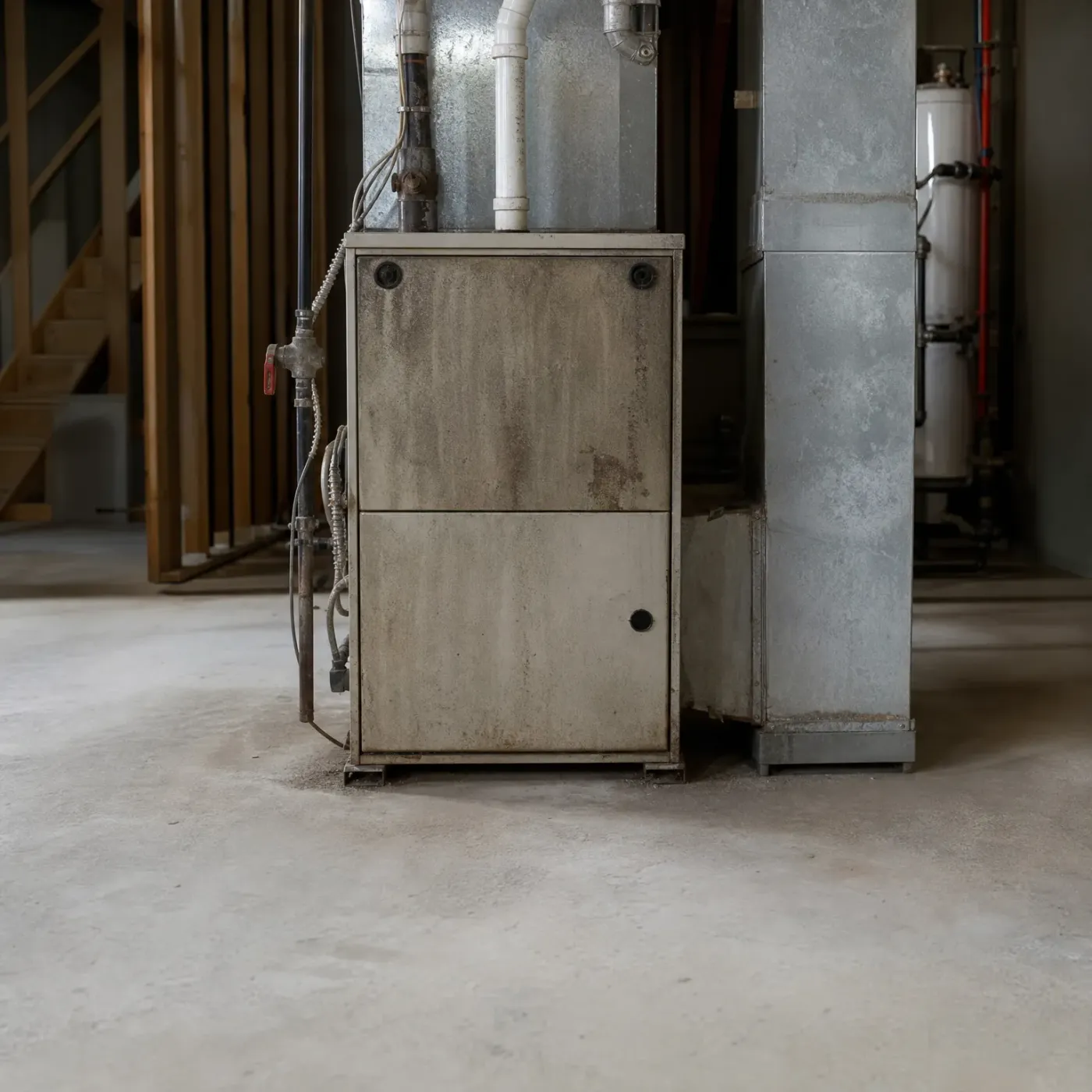
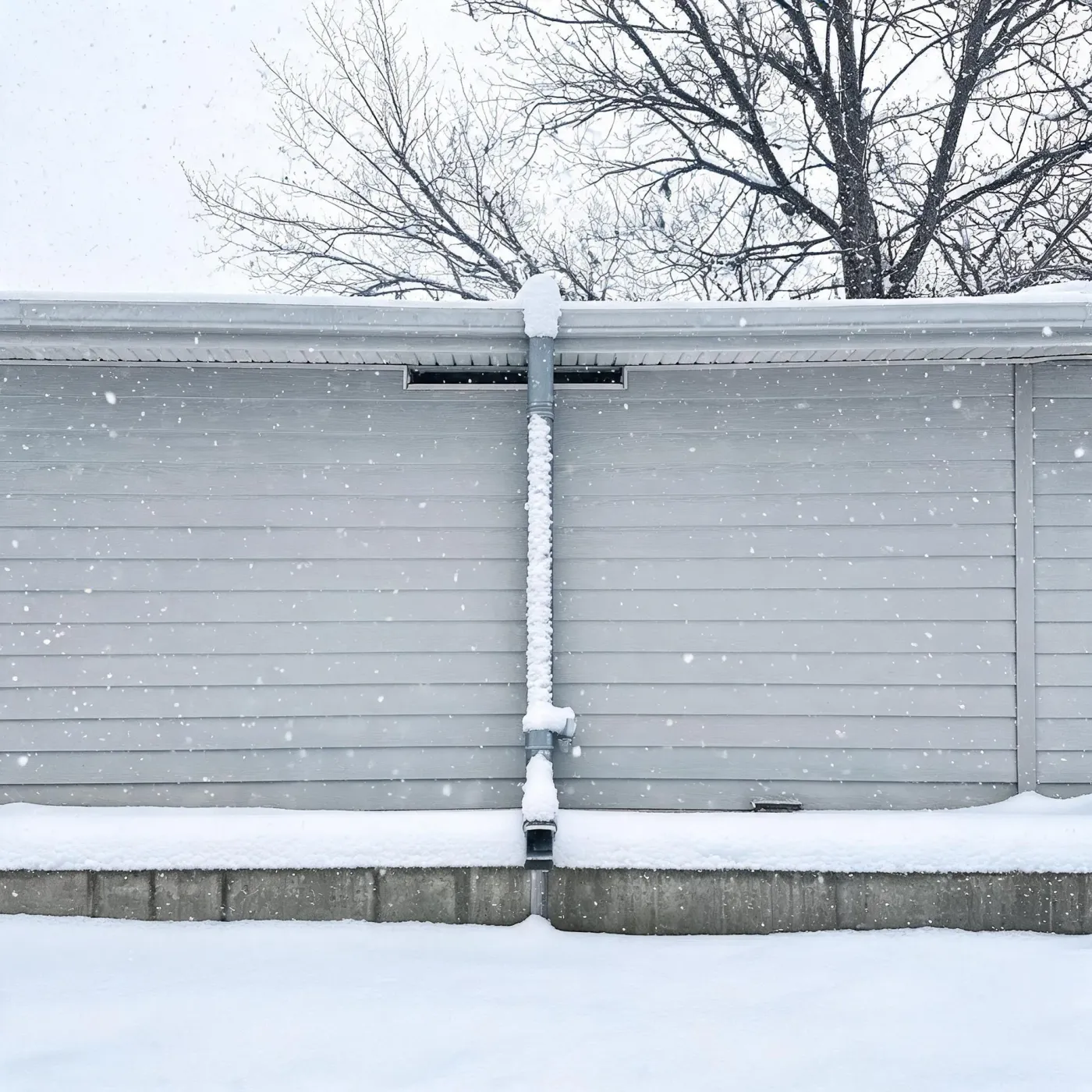
New York winter nights average 24°F across the state, according to NOAA climate data. A furnace built for that kind of cold has to cycle on for long stretches to keep up, and it does it night after night for months. Every one of those cycles puts wear on the igniter and the flame sensor, the parts most likely to fail when you need heat the most. That's why a furnace that's been limping along often picks the coldest week to quit outright. If it won't start on a night like that, you're not dealing with a minor glitch, you're dealing with a part that finally gave out under the load. Finding a contractor who can get to you fast, instead of spending the evening on the phone with one company after another, matters more on a night like this than any other time of year.
NOAA nClimDiv 1991-2020 county normals weighted by homes
A furnace pro near you
Skip searching for a furnace pro and answer a few questions instead.
You're not committing to anything by asking.
Where This Leaves You
- A furnace that won't start is almost always the igniter, the flame sensor, the filter, or the thermostat, in that rough order of likelihood.
- Each of those points to a specific repair, not a guess, once someone checks for the fault with the right tools.
- Leaving a dead furnace alone in a New York winter means pipes at risk and a house that gets colder while you wait.
- Finding a contractor on your own means searching, calling around, and explaining the same problem more than once before anyone shows up.
- Matching with a contractor who already knows this equipment skips that search and gets someone looking at your furnace instead of you looking for them.
- None of these fixes need you to know which part failed before you ask for help.
A furnace that won't start almost always traces back to the igniter, the flame sensor, a choked filter, or a thermostat that's stopped reading the room right. Those are the four places to look, roughly in order of how often each one turns out to be the problem. None of them are mysteries once someone with the right meter checks the fault. What they are not is something to leave alone. New York nights average 24°F across the state, and a house with no heat for a day or two risks a lot more than discomfort, pipes included. The part that's actually hard isn't knowing what might be wrong. It's finding someone who can get to your house, look at your specific furnace, and tell you which of these four it is. On your own that means searching for a contractor, calling a few, explaining the same no-start problem to each one, then sorting through whatever quotes come back before anyone's even seen the unit. Getting matched with a contractor who already works on this kind of furnace skips that part. You're not left guessing whether it's the igniter or the sensor, and you're not the one doing the legwork to find somebody who can tell you. Someone shows up knowing what they're looking at, and the search stops being your job.
Furnace Repair
A local pro for your furnace repair

- Describe your furnace job, and a local pro who handles it gets in touch.
- Say what's going on with your furnace, and a pro who works on them reaches out.

- After this form, you can stop searching for a furnace pro.
- One request and the search for a pro is handled.

- Describe what your furnace is doing once, in one form.
- Answer a few questions instead of calling shop after shop.
- Your request goes to one pro, not a list of companies.
- The pro who reaches out is licensed in New York.